 Lorraine Williamson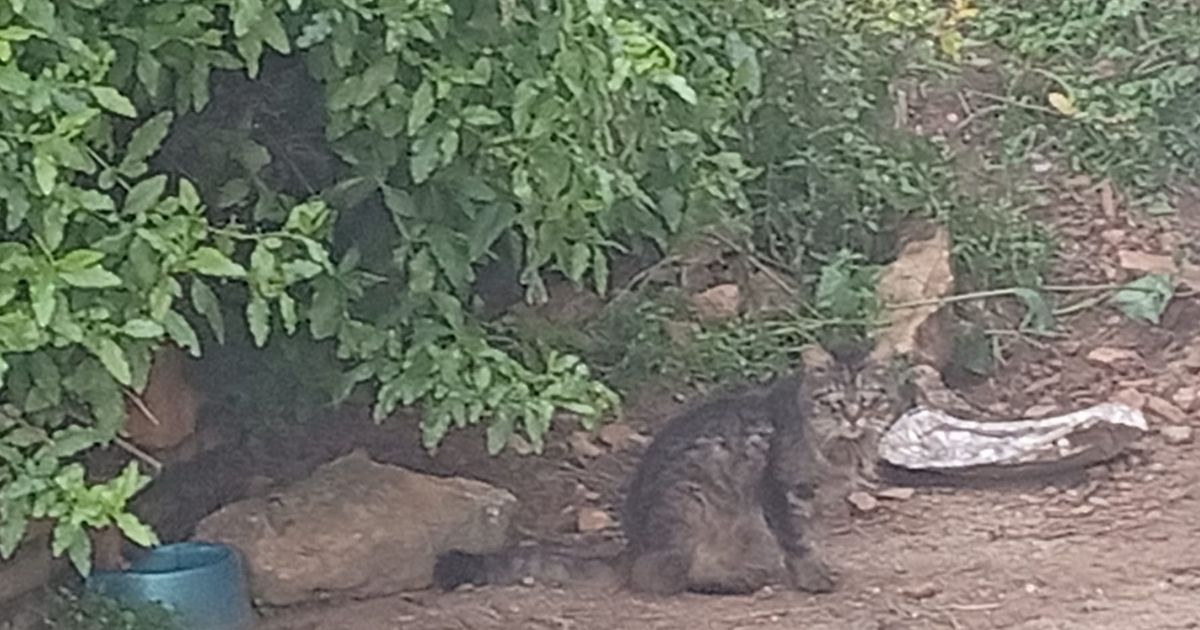
Spain has opened a new €1.95 million funding call to help local authorities manage feral cat colonies in a more humane and controlled way.
The grants are aimed at councils and other local entities already working with ethical cat-colony management plans. The money can be used for sterilisation, veterinary care, feeding improvements, staff training and public awareness campaigns. The Ministry of Social Rights, Consumer Affairs and Agenda 2030 says applications are open from 11 April to 10 June 2026, with funded projects to be carried out during 2027.
Why Spain is funding cat colony control
Anyone who lives in Spain will be familiar with the sight of semi-feral cats around parks, housing estates, industrial areas and town centres. In many places, volunteers already feed them and work with local councils to keep colonies stable.
But unmanaged colonies can grow quickly. That can lead to animal welfare problems, complaints from residents, pressure on volunteers and possible damage to local biodiversity. The government’s funding call is designed to support population control without resorting to inhumane measures.
The scheme is linked to Spain’s animal welfare framework under Ley 7/2023, which places responsibility on local authorities to manage cat colonies through ethical methods.
What is the CER method?
The grants support the CER method, which stands for Captura, Esterilización y Retorno — capture, sterilisation and return.
Under this approach, cats are temporarily captured, sterilised by a vet, and then returned to their usual territory. The idea is to prevent the colony from expanding while keeping the animals in a familiar environment and avoiding the constant arrival of new unsterilised cats.
Animal welfare groups and many councils consider CER the most effective long-term method for managing colonies. It reduces breeding, improves health monitoring and makes colonies more stable over time.
What councils can apply for
The funding can cover several types of work.
According to the official call and Europa Press reporting, eligible projects may include sterilisation surgery, veterinary treatments, improvements to food and living conditions, staff training, and campaigns to inform residents about responsible interaction with cat colonies. Each project can request between €10,000 and €80,000.
Applications are competitive, so not every council will automatically receive funding. The official notice also says each entity can submit only one application, either alone or as part of a group. If the same entity appears in more than one application, the applications may be rejected.
Not every municipality will qualify
The grants are not simply open to any town hall that wants money for cats.
Municipalities must already have an approved ethical management programme for feline colonies. Provincial councils, island councils and associations of municipalities may also apply, but the municipalities involved must meet the required conditions.
That detail matters because it encourages councils to move beyond informal feeding points and towards proper management: mapped colonies, registered volunteers, sterilisation targets and veterinary coordination.
A subject that often divides communities
Feral cat colonies can be an emotional issue.
For some residents, they are part of neighbourhood life and deserve protection. For others, unmanaged feeding points, noise, smells or repeated litters create frustration. Environmental groups also raise concerns about the impact of cats on birds, reptiles and other small wildlife.
The government’s approach is an attempt to balance those competing concerns. Rather than ignoring the issue or leaving it entirely to volunteers, the grants push councils towards structured, documented and veterinary-led management.
Why this matters locally
The funding may be national, but the impact will be local.
In many towns, cat-colony work depends heavily on small groups of volunteers who pay for food, transport and vet care themselves. If councils secure funding, it could reduce pressure on those volunteers and make programmes more consistent.
It could also help councils explain to residents why sterilisation is more effective than simply removing cats. Without sterilisation, colonies often return as new animals move into the same area.
Planning
Applications must be submitted digitally through the ministry’s website by 10 June 2026. Approved projects will then run from 1 January to 31 December 2027.
For councils that already have a plan in place, the next few weeks are a chance to secure support. For residents and volunteers, the funding is also a reminder that Spain’s street-cat issue is no longer being treated as a small neighbourhood problem. It is now part of the national animal welfare policy.