 Lorraine Williamson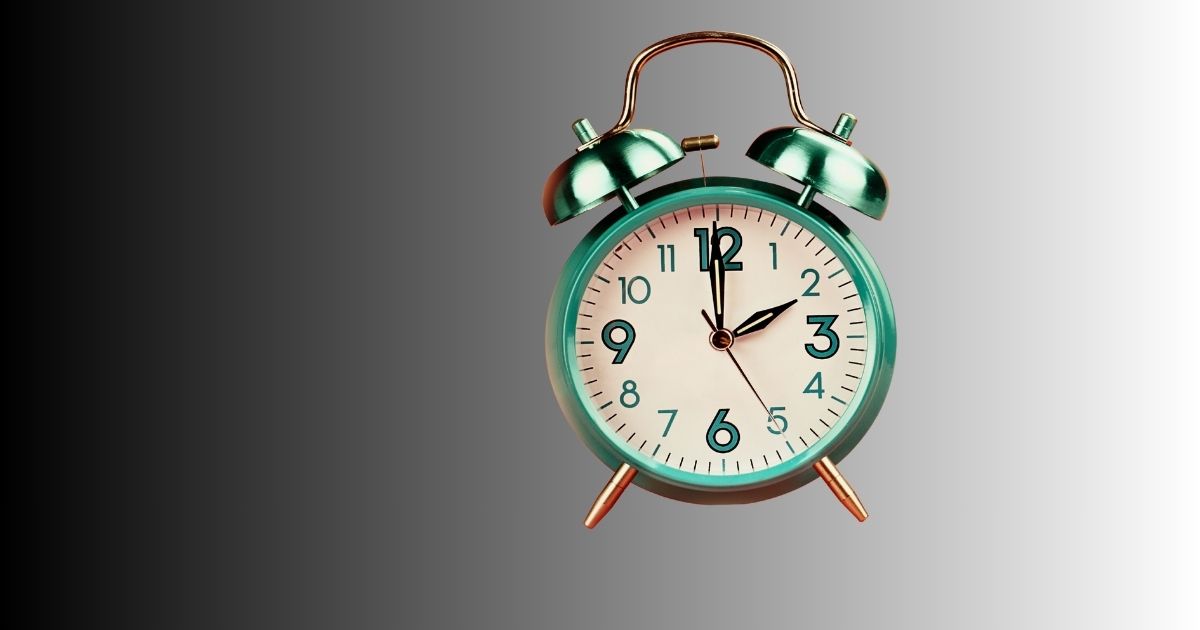
Spain changes the clocks again tonight, with the country moving into summer time in the early hours of Sunday, 29 March. For most readers, the practical point is simple: in mainland Spain and the Balearic Islands, when the clock reaches 2.00 am, it will jump straight to 3.00 am, which means one hour less sleep but brighter evenings from Sunday onwards.
The legal basis is already set out in Spain’s long-standing rules on summer time, and the current published calendar confirms that the 2026 spring change falls on the last Sunday in March. In practice, that means the switch happens overnight on Sunday, 29 March 2026.
What time should people change the clock?
For the peninsula and the Balearic Islands, the change happens at 2.00 am, when clocks move forward to 3.00 am. In the Canary Islands, it happens at 1.00 am, when clocks move forward to 2.00 am. Spain’s 2002 decree also makes clear that the day officially lasts 23 hours when the spring change takes effect.
Do you lose or gain an hour?
You lose an hour tonight. That is why the March change is usually the one people notice most, especially when it lands at the end of a busy week or during a travel-heavy weekend. RTVE’s current explainer also notes that many connected devices will update automatically, but older clocks, some cars, ovens and manual alarm clocks may still need to be changed by hand on Sunday.
Why does Spain still do this?
Spain’s current system is not a one-off decision taken this year. The BOE explains that the country has operated under an indefinite legal regime since the early 2000s, with the exact dates then published in five-year calendars so people and organisations can prepare in advance. The 2022 ministerial order published the calendar for 2022 to 2026, which is why the March 2026 date is already fixed.
The broader European debate over whether seasonal clock changes should be scrapped has not yet led to a final change in the rules, so the current system remains in force. RTVE’s recent explainer notes that the switch still takes place in coordination with the rest of the European Union.
What changes from Sunday morning?
The immediate effect is not that the day becomes longer, but that daylight shifts later by the clock. Reference time-change data for Spain shows that on Sunday, sunrise and sunset will both be about an hour later than the day before, bringing more evening light and less morning light. That is why some people welcome the March switch, while others dislike the darker start to the day.
A small switch that still catches people out
It may be routine, but the time change still creates confusion every year, especially for travel plans, alarms, work shifts and Sunday routines. That is one reason the BOE has long stressed the importance of publishing the dates clearly in advance. This is not a rumour, and it is not changing at the last minute: the clocks go forward tonight in Spain.
Sunday begins with lighter evenings
For many people, this is one of those practical stories that matters more than it first appears. The March switch affects sleep, journeys, appointments and the simple question of what time it will still feel light outside. By Sunday morning, Spain will officially be on summer time again, and the country’s evenings will begin to stretch out.