 Lorraine Williamson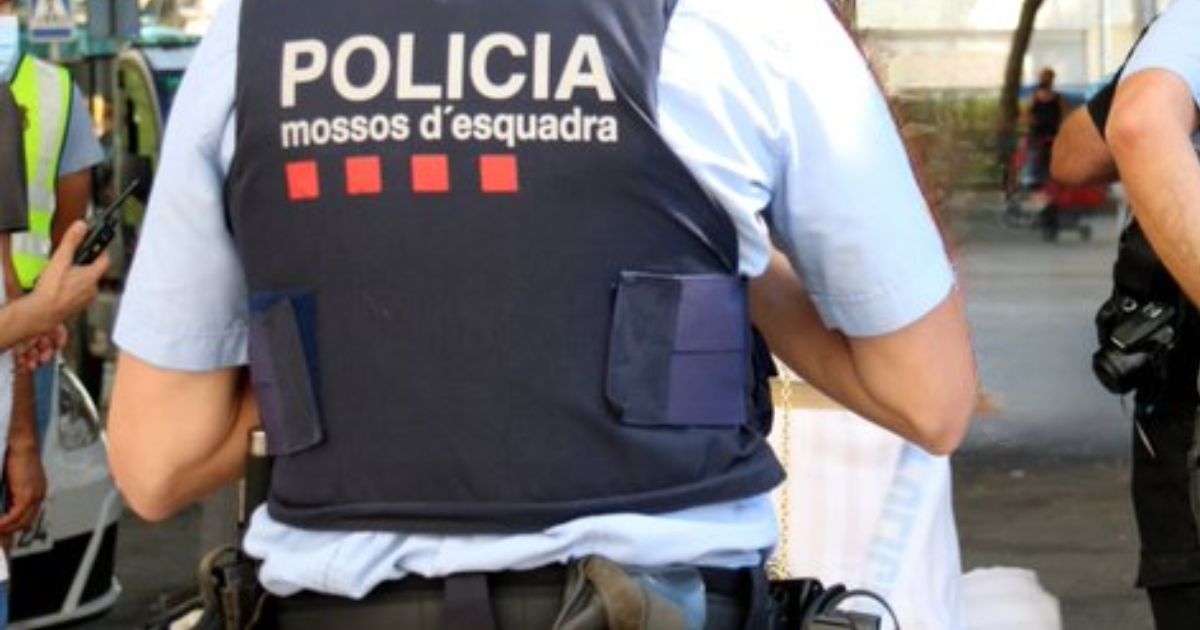
Police in Catalonia intervened in six cases last year involving girls considered at risk of female genital mutilation (FGM), a practice that is illegal in Spain and considered a serious violation of human rights, highlighting the continued focus on prevention and safeguarding across the region.
According to regional authorities, Mossos d’Esquadra officers carried out a total of eight interventions linked to possible FGM situations during the year. Six involved preventive action where minors were believed to be at risk, often linked to planned travel abroad.
Officials say most cases are detected through coordination between police, schools, health services, and social workers, with early intervention seen as key to preventing harm.
Prevention remains the priority
In Catalonia, authorities operate long-standing protocols designed to identify potential risk situations before girls leave Spain. These often involve monitoring travel plans, speaking with families, and working alongside community services.
Police say the aim is always prevention rather than prosecution. When concerns arise, safeguarding teams work with families and support networks to ensure minors remain protected.
Cases are considered difficult to detect because they often occur outside Spain, making early warning systems and cooperation between agencies essential.
Ongoing collaboration between services
Health professionals, teachers, and social services play a central role in identifying warning signs. When concerns are raised, information can be shared with specialist police units trained in safeguarding and prevention.
Authorities stress that the number of interventions does not necessarily reflect the scale of the issue, as many situations are prevented before harm occurs. Officials also note that awareness campaigns and community outreach remain a core part of prevention work.
Support networks available
Support services exist for individuals affected by or at risk of FGM, including specialist healthcare and counselling. Regional authorities continue to emphasise the importance of reporting concerns early so that safeguarding measures can be put in place.
The latest figures underline the ongoing work being carried out across Catalonia to detect risk situations and protect vulnerable minors through coordinated prevention strategies.
Sources: La Vanguardia, 20 Minutos