 Lorraine Williamson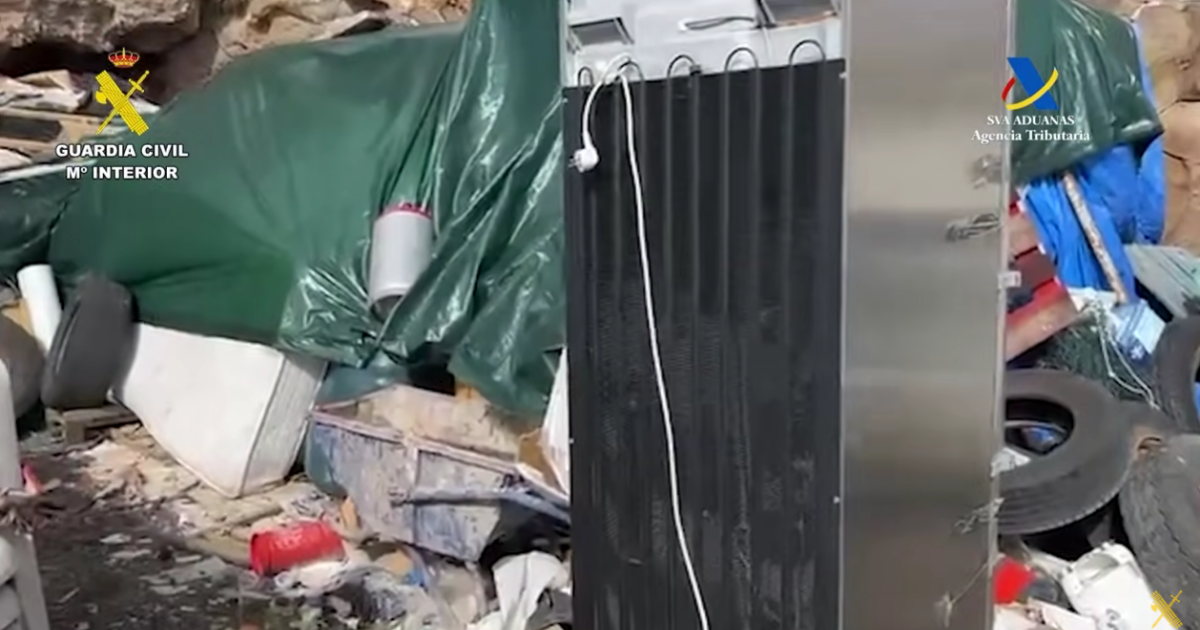
A major environmental crime investigation in Spain has uncovered the alleged illegal export of large quantities of hazardous waste from Tenerife to several African countries, in a case that highlights the darker side of second-hand trade routes between Europe and West Africa. Spain’s Tax Agency and the Guardia Civil say 32 people and four companies are under investigation over the shipment of around 650 tonnes of hazardous waste, along with a further 86 tonnes of non-hazardous waste, through the port of Santa Cruz de Tenerife.
According to the official account from the Agencia Tributaria, the material was allegedly exported in shipping containers without proper decontamination, posing risks to human health and the environment. Investigators say the network used false invoices and third-party paperwork to make the cargo appear legal and to suggest that dangerous materials had already been treated when they had not.
What investigators say was being shipped
The case goes far beyond ordinary scrap exports. Authorities say the consignments included electrical and electronic waste, especially motors and compressors removed from discarded refrigeration equipment without the required decontamination process. That is significant because such components could contain gases that should be extracted and handled safely before transport or disposal.
Investigators also say the shipments included car parts and vehicle components that had not been properly decontaminated, around 38 tonnes of fire extinguishers, and numerous cars, vans and lorries exported with allegedly false documentation so they could be presented as second-hand goods rather than waste. In total, the material under investigation is valued at around €800,000.
How the network allegedly operated
Officials say the suspected organisation was led by five people with distinct roles split between Tenerife and Gran Canaria. Two of them allegedly handled the logistics and paperwork needed to move the containers, while three others are accused of sourcing and dispatching the waste directly or through third parties. The structure, according to investigators, relied on businesses that issued invoices in other names to create the appearance of lawful trade and to reduce the risk of inspections or export refusals.
The investigation was triggered after Seprona officers in La Palma and customs surveillance officials in Santa Cruz de Tenerife detected a repeated flow of suspicious container traffic between Tenerife and African destinations. That pattern led authorities to examine whether the goods were really reusable products or, instead, undeclared waste being pushed out of Spain under false pretences.
Why the case matters
This is not just a local crime story. It touches on a long-running international problem: the export of hazardous waste from Europe to countries with weaker waste-treatment capacity or looser enforcement. Spain’s Tax Agency notes that the illegal transfer of hazardous waste is an issue of growing international concern and explicitly links the case to the principles behind the Basel Convention, the global treaty designed to control cross-border movements of dangerous waste.
That broader context matters because old refrigeration units, vehicle parts and industrial equipment often look like ordinary second-hand goods on paper. In practice, though, they can carry toxic materials, polluting gases or unsafe components that should never be shipped without strict controls. Cases like this also feed into a wider European debate about whether wealthy countries are still offloading environmental risk elsewhere under the cover of reuse and resale. This last point is an inference based on the official allegations and the Basel Convention context.
What penalties could follow
Spanish authorities say the offence of illegally transporting waste was added to the Penal Code in 2015. In the official release, they note that the crime can carry prison sentences of between three months and one year, or fines and professional disqualification, depending on the circumstances. The investigation remains open.
For readers in Spain, the case is a reminder that environmental crime does not always look dramatic. Sometimes it travels in plain sight, hidden in shipping containers, paperwork and the language of second-hand commerce.