 Lorraine Williamson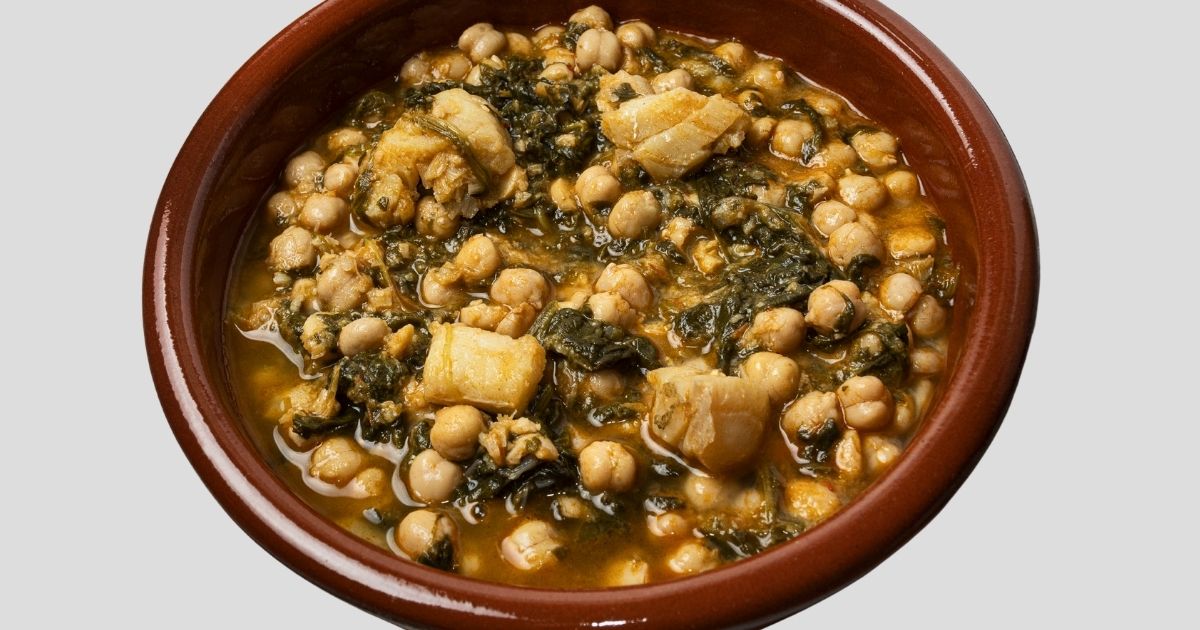
Semana Santa in Spain is not only seen in processions or heard in the slow beat of drums. It is tasted too. Across the country, Holy Week has its own food language, built around old fasting traditions, family recipes, and the kind of sweets that appear in bakery windows only once a year. From humble spoon dishes to honey-soaked pastries, this is the season when Spanish tables change with the calendar.
Much of Spain’s Semana Santa cooking comes from older Lenten and Holy Week customs, especially the tradition of avoiding meat on key days. That is why bacalao, chickpeas, spinach, soups and fried pastries sit so naturally at the centre of the season. The result is a menu that feels both humble and deeply rooted, with recipes that have survived not because they are fashionable, but because families still return to them year after year.
Bacalao and potaje still define the savoury side
If there is one savoury dish that signals Semana Santa most clearly in many Spanish homes, it is potaje de vigilia. RTVE describes it as one of the standout dishes of the season, built around chickpeas, bacalao and spinach and especially associated with Holy Week and Good Friday. It is the kind of recipe that feels practical, filling and comforting, which helps explain why it remains one of the country’s most enduring Easter staples.
Bacalao appears far beyond the stew pot too. Salt cod has long been central to Holy Week cooking because it was easy to preserve and fitted neatly into meat-free traditions. Even now, it remains one of the clearest signs that the seasonal table has arrived. In some homes, it is folded into fritters or served in simpler dishes; in others, it sits at the heart of a family potaje prepared much the same way every year.
Torrijas still rule the sweet season
For sweets, torrijas remain the best-known face of Semana Santa across Spain. Spain’s official tourism site places them front and centre among the traditional Easter treats that fill bakery windows each spring, while RTVE continues to treat them as one of the classic desserts of the season. Made from bread soaked in milk or wine, dipped in egg, fried and finished with sugar, cinnamon or honey, they have the rare quality of feeling both frugal and indulgent at once.
That may be part of the reason they endure so strongly. Torrijas are not simply a dessert. They are a reminder of the old Spanish genius for turning simple ingredients into something celebratory. In a season built on ritual and repetition, they are one of the flavours almost everyone recognises.
A Spain-wide tradition, but never the same everywhere
What Spanish families cook for Semana Santa is national in spirit, but regional in detail. Spain.info notes that cake shops around the country fill up at this time of year with torrijas, monas de Pascua, bartolillos, pestiños and buñuelos, among other specialities. The shared season is unmistakable, yet the table still shifts from one part of Spain to another.
That regional variation is one of the most appealing things about Holy Week food in Spain. You may find the same broad themes almost everywhere — fasting dishes, cod, fried sweets, bakery favourites — but not the same menu. The closer you look, the more each area gives Semana Santa its own flavour.
Mona de Pascua belongs to the Mediterranean Easter
Among the strongest regional examples is mona de Pascua, closely linked to Easter in parts of the Mediterranean. Spain.info highlights it as typical in places such as Catalonia, the Valencian Community, Murcia and the Balearic Islands. Murcia’s official tourism site also describes the mona as a traditional sweet bread topped with a hard-boiled egg, strongly associated with Easter Sunday and Easter Monday family gatherings.
This is where Semana Santa food becomes about more than recipes. In many places, the mona is part of family ritual too, often shared outdoors or given to children by grandparents or godparents. That turns it into more than a bakery item. It becomes part of the inheritance of the season.
From southern pestiños to Madrid’s bartolillos
Not every regional sweet has the same reach. Pestiños, with their fried pastry and honey, are strongly associated with southern Spain, while bartolillos are one of Madrid’s traditional Easter treats. Spain.info groups both among the specialities that appear in pastry windows during March and April, a reminder that Holy Week in Spain is as much a map of local baking as it is a shared religious calendar.
A Spain-wide Semana Santa food feature should not sound as if the whole country eats the same thing. It should sound like Spain itself: recognisable, seasonal and full of local accents.
Asturias and other regions keep their own favourites alive
Holy Week food traditions stretch well beyond the best-known national staples. RTVE has highlighted marañuelas as a typical Easter sweet in Asturias, crisp on the outside and softer within, while other local recipes continue to hold their ground in towns and provinces far from the main tourist spotlight. These smaller regional traditions are part of what keeps Semana Santa cooking alive as lived culture rather than heritage display.
That is also why food remains one of the best ways to write about Semana Santa without repeating the usual procession imagery. The kitchen tells its own story, and often a more intimate one.
The season tastes of memory as much as faith
Ask what Spanish families cook for Semana Santa and the answer is not one dish, but a sequence of familiar flavours. Potaje de vigilia and bacalao carry the weight of fasting tradition. Torrijas announce the sweet side of the season. Mona de Pascua, pestiños, bartolillos and local pastries show how much Easter still changes from one region to another.
That is what gives Holy Week food in Spain its staying power. It is seasonal, emotional and tied to memory. Long after the processions pass, many families still know that Semana Santa has arrived because the table says so first.