 Lorraine Williamson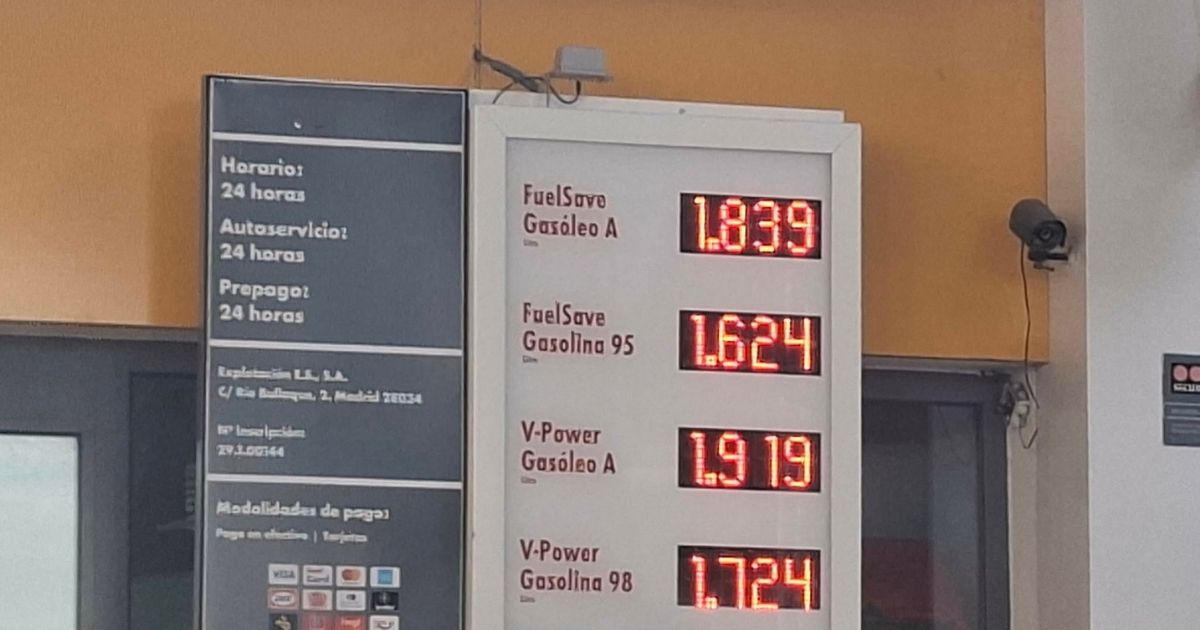
Just as millions of people prepare to travel, fill up the car, or plan a spring break, Spain’s inflation picture has taken a sharper turn. Spain´s inflation rises again to 3.3% in March, according to the INE’s flash estimate, ending the calmer mood of recent months and bringing fuel and energy costs back into focus.
The increase is significant not only because prices are rising again, but because of the size of the change. In February, annual inflation stood at 2.3%. March’s flash figure of 3.3% marks a full percentage-point rise in just one month, suggesting the pressure on household finances is far from over.
A sudden jump after a quieter spell
After a period in which inflation had appeared to be easing into something more manageable, this latest estimate is a reminder that Spain remains vulnerable to shocks linked to energy and transport. That makes this more than just another monthly economic update. It lands at a moment when people are especially likely to notice it in real life.
Fuel is back at the centre of the story
According to the INE, the main force behind the increase was the rise in prices for fuels and lubricants for personal vehicles. That alone makes the timing difficult, with the Easter travel period underway and drivers across Spain already watching petrol costs closely.
The institute also pointed to electricity prices, which fell less sharply than they did a year ago, and to rising heating oil costs. In other words, the latest rise is not being driven by abstract market movement. It is happening in the parts of everyday life people feel most quickly: filling the car, heating the home and managing weekly spending.
What it means for households
For many families, the headline figure matters less than its effect on day-to-day decisions. A rise in inflation does not automatically mean every item is suddenly unaffordable, but it does mean there is less breathing room. When fuel and energy move upwards, the impact tends to spread. Travel becomes more expensive. Delivery and transport costs can feed through elsewhere. Household budgets tighten again.
That is why this latest figure is likely to resonate beyond economics pages. It comes at a time when many people had hoped the worst of the cost-of-living squeeze was behind them. Instead, March has delivered a reminder that inflation in Spain is still capable of turning upwards quickly.
One figure offers limited reassurance
There is one part of the new data that may soften concern slightly. The INE said core inflation, which excludes the most volatile elements such as unprocessed food and energy, is estimated at 2.7% in March. That suggests the latest jump is not yet a broad-based surge across everything consumers buy.
Even so, that is only partial comfort. For most households, volatile essentials still matter enormously. A spike in petrol or electricity may sit outside the core figure, but it still hits the monthly budget hard.
Why this matters politically as well as economically
Inflation figures always carry political weight, but this one arrives at an especially sensitive moment. The government is already under pressure to show that Spain can protect household finances in a more uncertain international climate. A renewed rise in prices, especially one tied to fuel and energy, is likely to sharpen scrutiny of economic management in the weeks ahead.
The Banco de España has also revised its outlook, warning of slower growth and stronger inflationary pressure in the current external environment. That does not automatically mean a new crisis, but it does reinforce the sense that Spain’s economy is entering a more uncomfortable stretch than many had expected at the start of the year.
Why readers will feel this first at the petrol station
There is a reason fuel-led inflation stories tend to cut through so quickly. People do not need an economist to explain them. They see them. A few extra euros at the pump can reshape a weekend journey, a family outing or the cost of a longer holiday drive.
With Spain now entering one of its busiest travel periods, that makes the March data especially relevant. It turns a national economic statistic into something immediate and practical, which is exactly why this story deserves attention today.
Spain cuts fuel and electricity taxes as new €5bn relief plan takes effect
A warning sign for spring
It is too early to say whether March marks a short-lived spike or the start of a more stubborn new phase. That will depend heavily on how fuel and energy costs behave over the coming weeks. But what can already be said is that the period of relative calm has been interrupted.
For now, the message is simple. Spain´s inflation rises again, and the reasons behind it are the kinds of costs people notice fastest. That makes this not only an economic story, but a story about everyday life in Spain as spring begins.