 Lorraine Williamson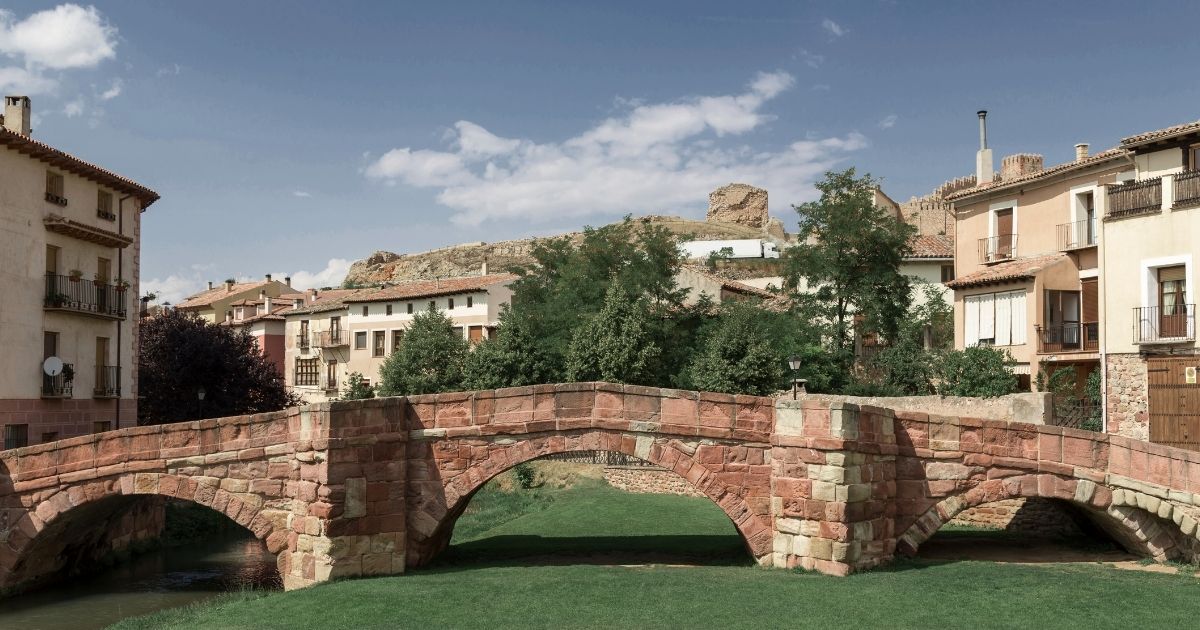
In a country known for sunshine and warm temperatures, one place tells a very different story. Spain’s coldest village, Molina de Aragón, regularly experiences freezing winters, with temperatures that can drop far below zero and reshape daily life for those who live there.
Located in the province of Guadalajara, Molina de Aragón sits at more than 1,000 metres above sea level, within what is often referred to as Spain’s “triangle of cold”. This high-altitude basin traps cold air, creating some of the lowest temperatures recorded in the country.
A place where winter dominates daily life
In January, average minimum temperatures fall to around –3.5°C, with frost common on most days. Daytime temperatures often struggle to climb much higher than single digits.
The village also holds one of Spain’s most extreme cold records. In 1952, temperatures dropped to –28.2°C, underlining just how harsh winters can be in this part of inland Spain.
For residents, the cold is not just a seasonal inconvenience. It shapes everything from heating costs to daily routines, especially during the long winter months when staying warm becomes a priority.
Lower costs, but a different kind of lifestyle
Life in Molina de Aragón is generally more affordable than in Spain’s major cities. Property prices are significantly lower than in places like Madrid or Barcelona, and everyday costs such as food and services tend to be reduced.
That makes the area appealing to those looking for a quieter, more affordable way of life, particularly remote workers or people seeking to escape the pressure of urban living.
However, the savings come with trade-offs. Heating costs can rise sharply during winter, especially in older homes with limited insulation. The long, cold season means energy use becomes a major part of household spending.
A historic town with deep roots
Despite its climate, Molina de Aragón has a rich history that continues to attract visitors. The town features a well-preserved medieval centre, dominated by a 12th-century castle and defensive walls that reflect its strategic importance in centuries past.
Historic buildings, religious sites and a regional museum add to its cultural appeal, offering a glimpse into life in inland Spain long before modern tourism reshaped the country’s coastal areas.
Peace, nature and a slower pace of life
For many residents, the cold is outweighed by the benefits of living in a peaceful and natural environment. Life moves at a slower pace, with fewer crowds, less noise and a stronger sense of community.
Surrounded by open landscapes and unspoilt countryside, Molina de Aragón appeals to those who value space and tranquillity over convenience and climate.
A different side of Spain
The idea of Spain as a warm, sun-soaked destination is deeply ingrained, but places like Molina de Aragón offer a reminder that the country is far more diverse than its coastal image suggests.
Living in Spain’s coldest village is not just about lower costs or extreme temperatures. It is about choosing a completely different way of life, one shaped by nature, history and a climate that few expect to find in Spain.
Ten coolest villages in Spain in summer