 Lorraine Williamson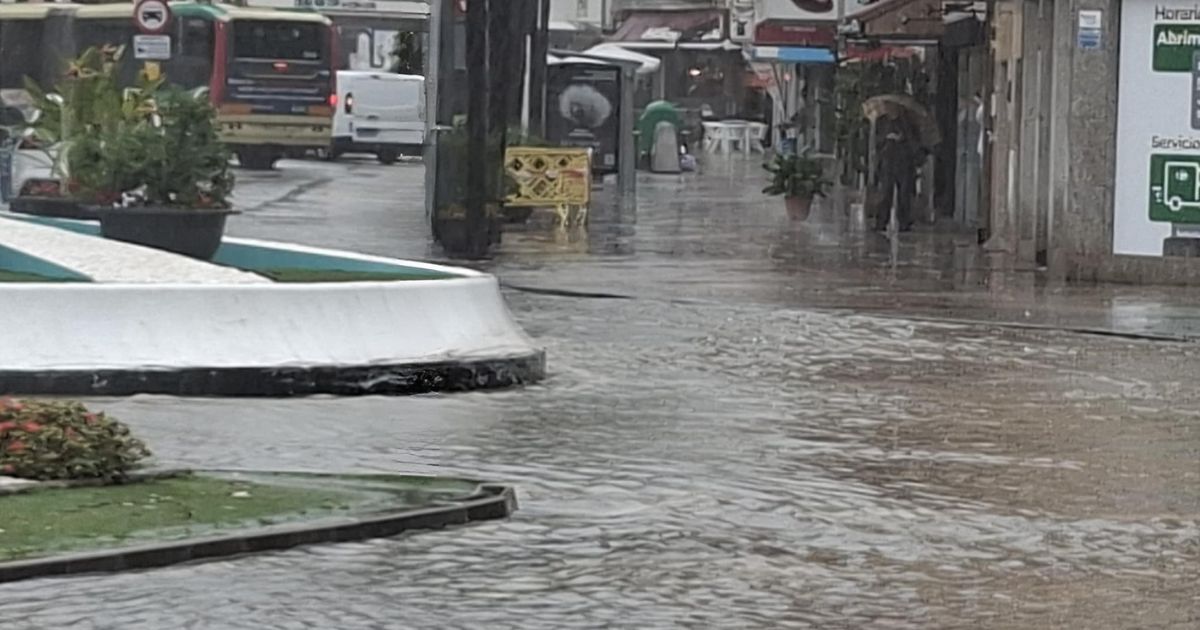
Spain is the target of more storms this week, with forecasters warning that the Atlantic pattern driving repeated downpours is not easing yet. The message on Tuesday, 3 February, is blunt: the country remains in the path of successive systems, and the risk is rising because many soils are already saturated.
Civil Protection says the set-up over the Atlantic has stayed unusually stationary in recent weeks, pushing a run of Atlantic lows and associated fronts towards the Iberian Peninsula. That has kept large areas under rain, strong westerly winds and rough seas, and it is expected to intensify again from Wednesday, 4 February with Storm Leonardo.
Why Spain is “in the crosshairs” again
The clearest signal is where the rain has piled up. RTVE highlights that Galicia, Castilla y León, Extremadura and Andalucia have been repeatedly exposed to incoming Atlantic storms, with totals far above normal for early February.
Grazalema in Cádiz, one of Spain’s wettest observatories, has already exceeded 1,200mm, when the average for the month is around 200mm. Elsewhere, Rois (A Coruña) has surpassed 600mm, and Garganta la Olla (Cáceres) has gone over 400mm, all described as exceptional for this point in the season.
The knock-on effect is hydrological. When the ground is saturated, rivers rise faster, and surface runoff becomes more dangerous, especially in mountain terrain and near riverbeds.
Red alert as Storm Leonardo nears
What Leonardo changes from Wednesday
Spain’s national Civil Protection alert warns of intense and “extraordinarily persistent” rainfall affecting the southern third of the peninsula and parts of the west from Wednesday, 4 February, into at least Thursday, 5 February, tied to Storm Leonardo. The alert specifically flags high flood risk in Andalucia because soils are already heavily waterlogged.
Wednesday is expected to be the toughest day, with Civil Protection warning that totals could locally exceed 200–250mm in 24 hours around Grazalema, the Serranía de Ronda and the Strait area. Very strong wind gusts are also expected, with the possibility of around 100km/h near the Strait, plus significant coastal impacts.
RTVE adds that, beyond the immediate warnings, medium-range modelling from ECMWF continues to show strong positive rainfall anomalies in the west, suggesting the wet pattern could persist in the coming days. It notes that some mountain areas of Cádiz and Málaga could receive around 400mm over the week.
Is there any end in sight?
The next seven days still look wetter than normal. RTVE’s outlook suggests the second week of February may remain slightly above average for precipitation, but there are early signs the pattern could settle in the second half of the month.
That “normalisation” is not a guarantee. It is a trend signal. For residents in affected zones, the practical takeaway is to treat this as a rolling episode rather than a one-day event.
What people should do now
Civil Protection’s advice is to stay informed through official alert channels and check road conditions before travelling. It points residents towards the national alert map and DGT updates, stressing the rapid-change nature of these events.
If you live near a flood-prone area, avoid unnecessary journeys during peak rainfall, do not cross flooded dips or streams, and be cautious around steep slopes where slips can occur after prolonged rain.