 Lorraine Williamson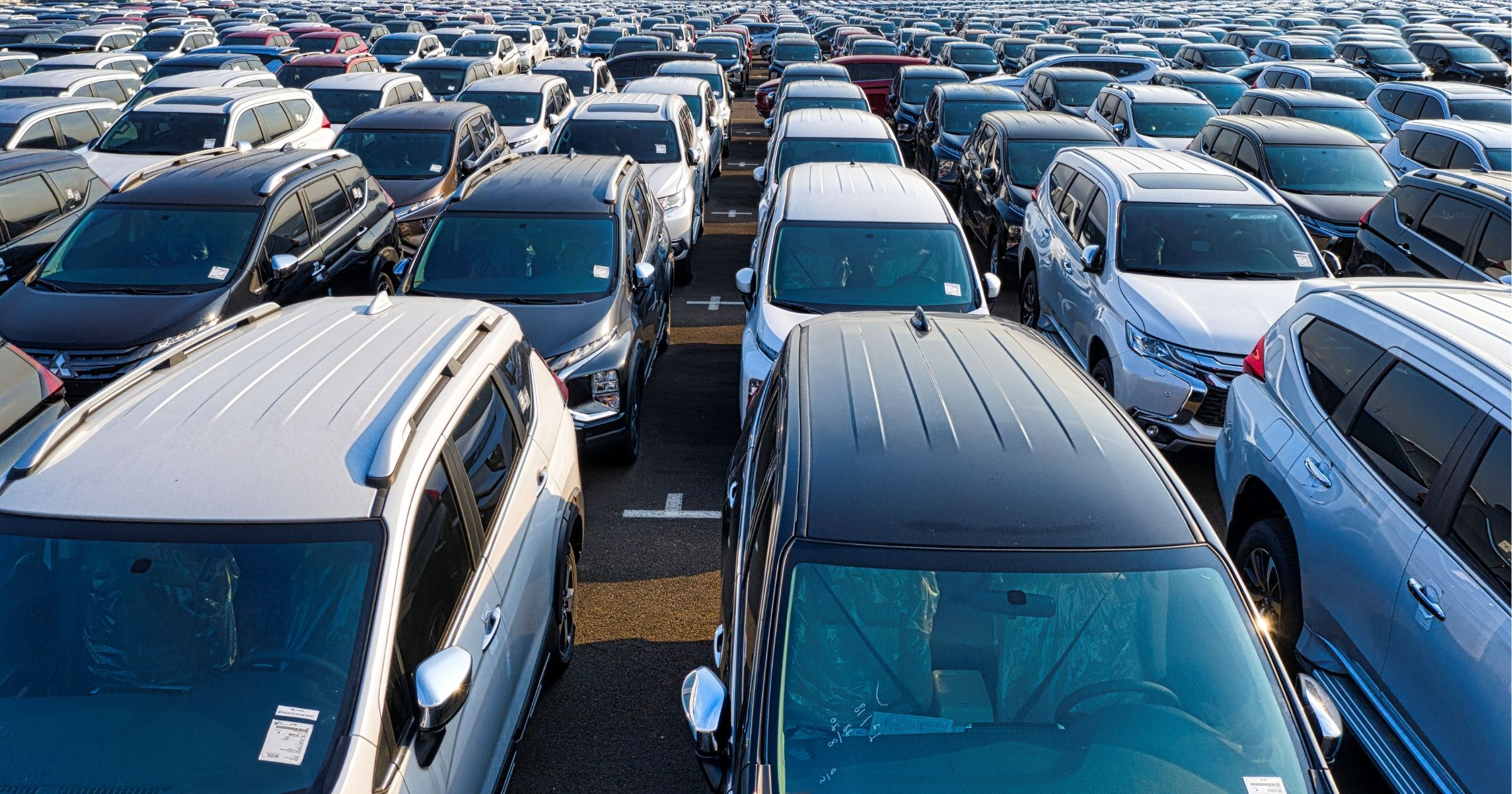
When people picture what Spain sells to the world, the usual images arrive quickly: olive oil, oranges, wine, maybe ham, and the familiar idea of a country powered mainly by sunshine and tourism. It is a recognisable image, but it only tells part of the story.
The broader trade data paints a much more complex picture. Spain’s goods exports reached €384.5 billion in 2024, the second-best year in the historical series, according to the Ministry of Economy, Trade and Business. At the same time, international tourist spending in Spain reached €126.3 billion in 2024, underlining how important services remain to the country’s foreign earnings. Together, those figures help explain why Spain is far more than a holiday destination with a strong food sector.
What does Spain really export?
Spain exports a much wider mix of goods and services than many people assume, combining tourism income with major sales of cars, chemical products, pharmaceuticals, machinery and agri-food goods. Xataka’s recent look at the data, drawing on the Atlas of Economic Complexity, argues that Spain’s export map shows a country that is much more industrial than the cliché suggests. The OEC country profile for Spain also shows a broad basket of exports rather than dependence on a single flagship sector.
Tourism is huge — but it is not the whole story
Tourism remains one of Spain’s most important sources of foreign income. INE says international visitors spent €126.282 billion in Spain in 2024, up 16.1% on the previous year. That makes travel a major export earner in practical terms, even if it is not a physical product loaded into containers or trucks.
That strength matters, but so does the risk that comes with it. Tourism is highly valuable, yet it also leaves Spain exposed to external shocks, as the pandemic showed. That is one reason the fuller export picture matters so much: it shows the country is not relying on one engine alone. This interpretation is supported by the contrast between Spain’s tourism earnings and its large merchandise export base.
Cars are still one of Spain’s big export success stories
One of the biggest corrections to the stereotype comes from the automotive sector. OEC’s trade profile shows that cars are among Spain’s leading export products, and its bilateral product profile says Spain accounted for 4.38% of global car exports in 2024, making it the seventh-largest exporter of cars in the world.
That is a reminder that Spain is not simply selling lifestyle products abroad. It is also a major manufacturing base within Europe, producing at scale for international markets. The automotive industry does not always dominate the public image of the country, but in export terms it remains one of the clearest signs of Spain’s industrial weight.
Chemicals and pharmaceuticals are a bigger story than many readers expect
Another part of Spain’s export economy that is easy to underestimate is chemicals and pharmaceuticals. The OEC profile shows pharmaceutical products among Spain’s important export categories, while UN Comtrade-based trade data puts Spain’s pharmaceutical exports at $18.18 billion in 2024. That places Spain firmly in a higher-value export space, not just in traditional low-margin goods.
This is where the old stereotype starts to look especially dated. A country that exports cars, pharmaceuticals, chemicals and a huge volume of services does not fit neatly into the old “sun, sangria and produce” narrative. Xataka’s article makes that point well, but the underlying official and trade datasets support it too.
Spain exports more electricity than ever thanks to green energy
Food still matters — just not in the way many people imagine
None of this means the classic image is completely wrong. Spain is still a major exporter of agri-food goods, and those products remain central to how the country is seen abroad. Olive oil, wine, pork, fruit and vegetables still matter commercially and culturally.
But the important point is balance. The Ministry’s 2024 trade figures and the OEC export profile show an economy that is broader and more layered than the Mediterranean postcard version. Food remains part of the story, but it no longer explains the whole structure of Spanish exports by itself.
Spain’s economy has more faces than its cliché
That may be the real takeaway from the data. Spain is still a tourism powerhouse. It is still a food exporter with global reach. But it is also a country with serious industrial capacity, strong manufacturing clusters and a more diverse trade profile than many outsiders assume.
For readers in Spain, that matters because it changes how the economy is understood. The country’s export story is not just about what foreigners consume on holiday. It is also about what Spain builds, formulates, assembles and sells across global markets. And that makes the image of Spain’s economy look a lot more modern than the stereotype suggests.