 Lorraine Williamson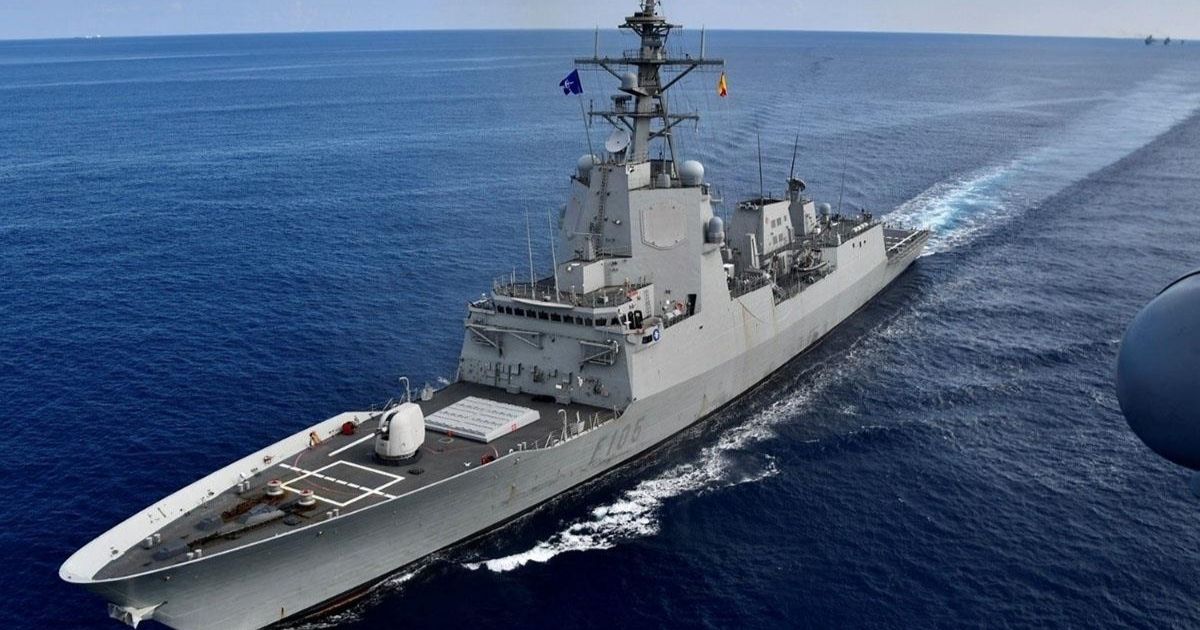
Spain´s Cyprus frigate deployment has been confirmed by the Defence Ministry, with the Navy’s advanced frigate Cristóbal Colón set to move towards the eastern Mediterranean to help protect Cyprus after Iranian attacks linked to the escalating Middle East conflict.
The move is politically significant in Madrid. Spain has been publicly pushing back against claims from Washington that it has agreed to cooperate with US military operations, and has reiterated its refusal to allow US strikes to be launched from Spanish soil. Today’s announcement draws a line between supporting an EU partner’s defence and backing offensive operations.
Why Cyprus, and why now?
Cyprus has been caught in the spillover of the conflict, with reports of drone attacks and rising security concerns around the island. That has triggered a broader European effort to reinforce air and maritime protection in the region, while keeping evacuation options open for civilians if the situation deteriorates.
Spanish media report the Cristóbal Colón will integrate with other allied naval assets, including French and Greek ships, in a posture focused on protection rather than escalation.
What the Cristóbal Colón is expected to do
According to the information released via Spanish outlets, the mission centres on air defence and escort/protection duties for a wider naval group operating towards the eastern Mediterranean. The deployment is also framed as a readiness measure to support civilian evacuations if they become necessary.
Cadena SER reports the frigate had been operating with a naval group since 3 March and is expected to reach waters off Crete around 10 March as it shifts south and east.
The wider context: Spain’s line on the conflict
Spain’s government is trying to hold two positions at once: resisting pressure to be pulled into offensive action, while showing it will defend European partners and support stability on Europe’s eastern flank.
That balancing act matters domestically too. After Trump’s recent threats over trade and cooperation, Madrid is acutely aware that every military headline will be read through the lens of the US-Spain dispute as well as the war itself.
The next developments to track are operational rather than rhetorical: how long the naval posture lasts, whether additional European assets are announced, and whether the mission shifts from “protection and readiness” into an evacuation-led role.
For Spain, the message is clear: this deployment is being sold as defence of an EU partner, not a green light for escalation.