 Lorraine Williamson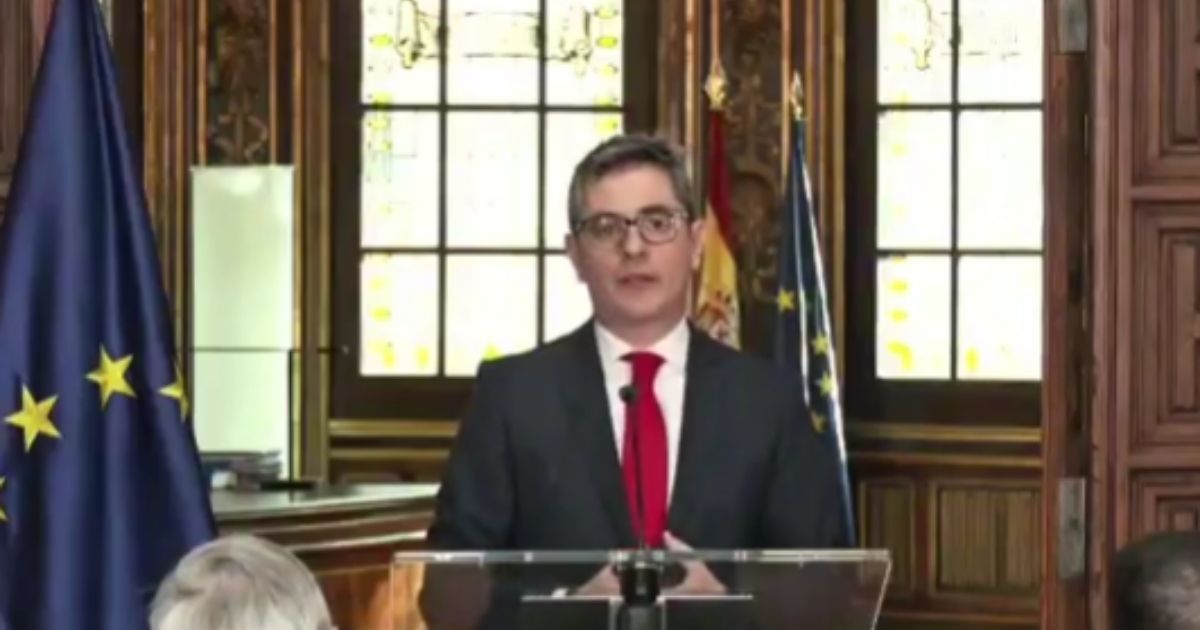
Spain has formally signed off on a new compensation system for people abused in the Catholic Church, in what the government is calling a landmark shift in how long-ignored cases will be handled. The agreement, signed by the government, the Ombudsman and Church representatives, is due to take effect on 15 April, opening a new route for victims whose cases can no longer be pursued through the courts.
The deal matters because it moves Spain beyond apology and into a state-backed process for reparation. Under the new model, the Church will pay compensation, but the Ombudsman will have the final say if there is disagreement over a case. Justice Minister Félix Bolaños has described it as the first arrangement of its kind in which the state keeps the decisive role while the Church assumes financial responsibility.
How the new system will work
Victims will be able to submit claims through the justice system’s new channel from mid-April. From there, the Ombudsman’s office will assess the case and make a proposal, taking into account factors such as the seriousness of the abuse, the age of the victim and whether the abuser was a repeat offender. El País reports that the Ombudsman will have three months to make that proposal, followed by a review period for the Church. If both sides agree, the outcome stands. If not, the case moves to a joint commission, and if that still fails to produce agreement, the Ombudsman’s view prevails.
That structure is one of the most important parts of the deal. For years, critics argued that any Church-run process would lack independence. This protocol does not remove the Church from the picture, but it does create a mixed mechanism in which the state is no longer a bystander.
What victims can claim — and what remains unclear
The new mechanism is not limited to financial payment alone. Coverage of the agreement says it allows for symbolic, restorative and spiritual forms of reparation as well as economic compensation. That broader approach reflects years of pressure from survivors, many of whom have argued that money alone cannot account for the long-term damage caused by abuse and institutional silence.
Even so, one major issue remains unresolved. The protocol does not set fixed compensation bands or a clear public tariff. Instead, cases will be assessed individually. Supporters say that allows for fairer, more tailored outcomes. Critics argue it risks inconsistency and leaves victims without a clear sense of what to expect. That absence of published figures is likely to remain one of the most contested parts of the new system.
Why this agreement took so long
The signing follows months of difficult negotiation and arrives after years of growing pressure on both Church and state. According to El País, Vatican intervention helped stop the talks from collapsing, with disagreements centring in part on whether victims who had already gone through the Church’s own PRIVA system should also be allowed to access the new mechanism. The final arrangement allows those who used PRIVA to opt for the new route, but they cannot be compensated twice for the same case.
That background matters because mistrust has shaped the entire debate. Survivors’ groups and many victims have long criticised earlier internal Church responses as opaque, uneven and too dependent on ecclesiastical control. The new protocol does not erase that history, but it is plainly designed to answer one central complaint: that the Church could not be left to mark its own homework.
A delayed step in a much bigger reckoning
The wider scandal remains huge. An Ombudsman report published in 2023 estimated that abuse in the Church may have affected hundreds of thousands of people in Spain, a figure the bishops have disputed. The Spanish bishops, for their part, have acknowledged hundreds of known abusers since 1945, but critics say the Church has consistently underestimated the scale of the problem.
That is why this agreement carries more than legal significance. It is also symbolic. For many victims, the issue has never been only about money. It has been about recognition, accountability and finally being believed by institutions that once looked away. Some survivors quoted in Spanish media this week have described the new system as a genuine reason for hope, even while warning that its success will depend on how fairly and transparently it works in practice.
Spain and Catholic Church agree compensation route for abuse survivors
The real test starts on 15 April
The protocol may now be signed, but the harder part lies ahead. From 15 April, the focus will shift from promises to delivery. Victims will want to know whether the process is accessible, whether claims are handled without delay and whether outcomes are genuinely consistent. The credibility of the whole arrangement will rest not on the wording of the deal, but on whether it produces justice for people who have waited decades for it.
For Spain, this is an overdue attempt to confront one of the darkest chapters in the modern history of the Catholic Church. For victims, it is a possible turning point — but only if the system now works as promised.