 Lorraine Williamson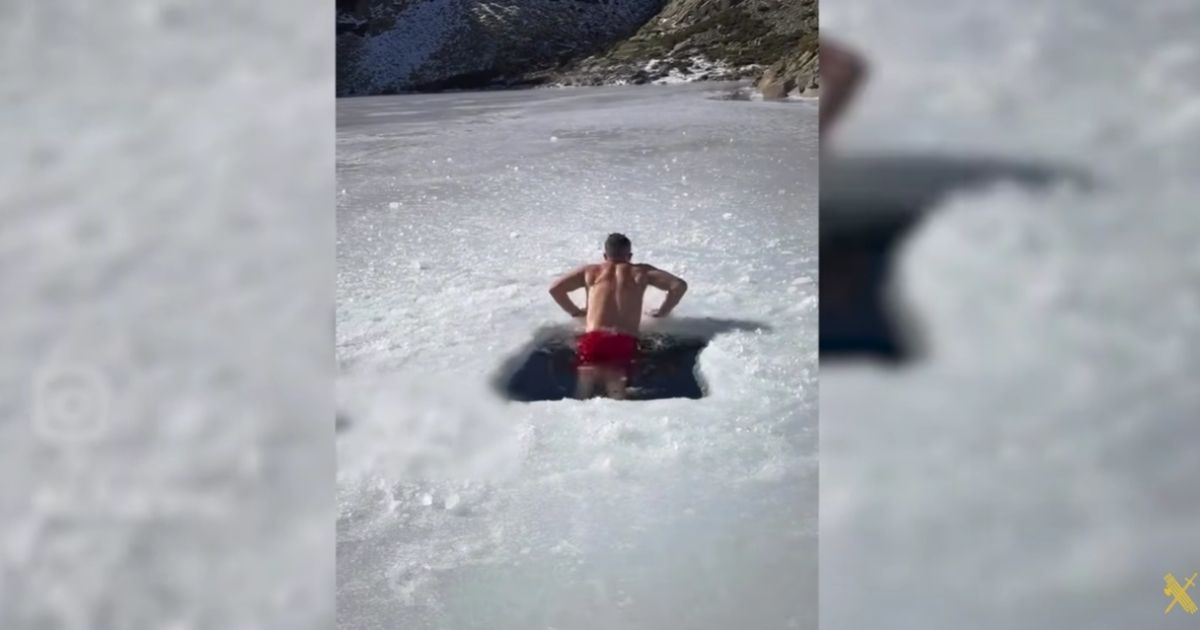
A dramatic drone shot can look harmless on a phone. In a protected mountain park, it can be a problem. This week, the Guardia Civil stated that it had filed six administrative reports against a content creator after videos appeared to show prohibited activity within the Parque Regional de la Sierra de Gredos.
The Sierra de Gredos is situated in southern Castilla y León, in the province of Ávila. It’s a high, granite landscape shaped by ancient ice, with cirques, gullies, and glacial lagoons that draw walkers year-round.
The case lands at a moment when Spain’s protected landscapes are increasingly being “discovered” twice — first by walkers, then by algorithms. A single reel can turn a quiet lagoon into a must-do location overnight, and park authorities are having to police not just paths and picnic areas, but the content economy built around them.
How the case began
According to the Guardia Civil, officers began acting after spotting multiple clips online. The footage was filmed in especially sensitive areas of the park, they said.
In those videos, the creator is alleged to have carried out activities banned under the park’s environmental rules. The Guardia Civil listed unauthorised drone flights, wild camping, and swimming in glacial lagoons, as well as actions that could disturb wildlife.
It’s worth stressing what this is — and isn’t. These are administrative reports, not a conviction. Any sanctions, if applied, would follow the normal procedure under the relevant regulations.
Why Gredos is so tightly protected
Gredos isn’t just scenic. It’s also a refuge for species that are sensitive to noise and repeated human presence, including birds of prey and the park’s emblematic mountain goats.
Drones can be disruptive in nesting areas and near cliffs. Meanwhile, glacial lagoons are fragile ecosystems, and the park’s rules treat them as places to protect, not swimming spots.
The wider backdrop matters too. Spain’s best-known natural areas are dealing with a new kind of pressure: travel content that rewards ever-more extreme footage. A single viral clip can pull large numbers of visitors to the same pin on the map, fast.
What visitors can do differently
Start with the obvious: treat Gredos like a protected space, not a backdrop. Stay on marked routes where possible, keep noise down, and avoid edging into closed or delicate zones.
If you fly a drone anywhere in Castilla y León, you need to think beyond aviation rules. The regional guidance is clear that wildlife disturbance is a red line, and extra limits can apply in protected areas.
Camping and swimming are similar. If you want an overnight in the mountains, use legal options and follow local restrictions. If you want a dip, choose permitted rivers or pools outside protected glacial lagoons.
Enforcement is moving online, too
The Guardia Civil’s message is blunt: digital platforms are being watched, and content can trigger action. In this case, the force also underlined its ongoing work with Castilla y León’s environmental agents as part of a wider protection effort.
For visitors, the takeaway is simple. Gredos will still be there tomorrow. The goal is to keep it that way — even when the camera is rolling.
Sources: