 Lorraine Williamson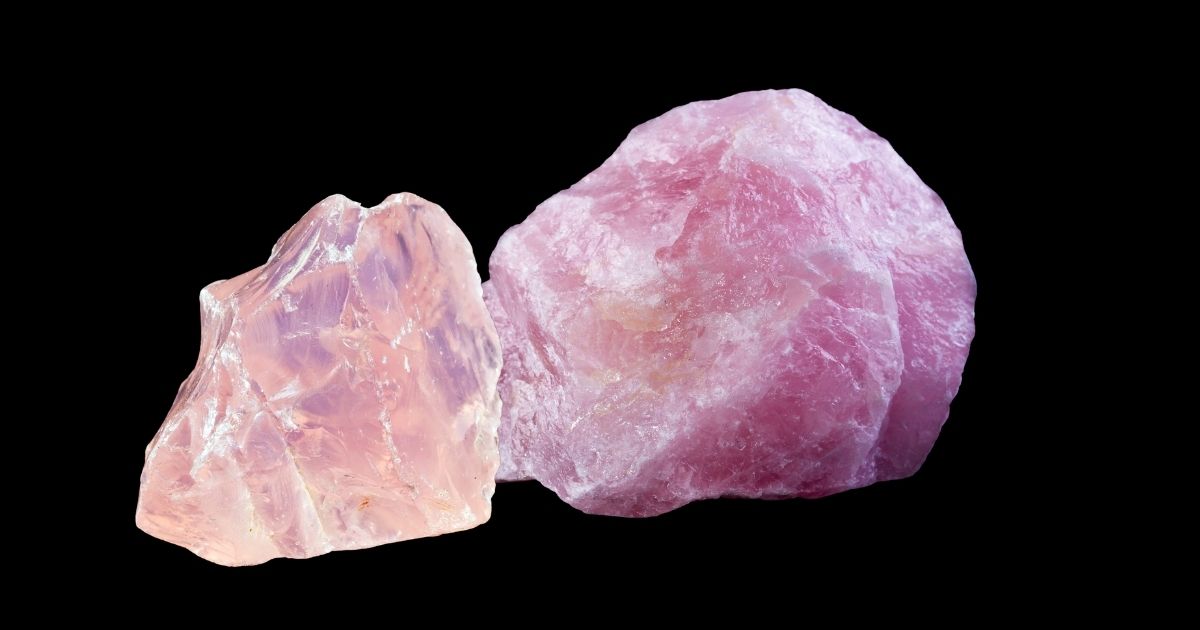
In northern Extremadura, there’s a village where the most unusual “local landmark” isn’t a church tower or a medieval gate, but something you can’t see at all. A rose quartz village in Spain might sound like a tourism slogan, yet in Oliva de Plasencia (Cáceres) it’s a literal description: beneath the streets sits one of Europe’s most valuable deposits of high-quality rose quartz.
It’s the kind of story that captures why Extremadura keeps surprising travellers. Quiet places. Big geology. And a landscape that doesn’t need to shout to be extraordinary.
A treasure that runs under the village
According to Spanish reporting, part of the rose quartz formation lies beneath the village itself — even beneath the area around Calle Cuarzo Rosa, a detail that feels almost too perfect until you read it twice.
Rose quartz is common enough in small pieces worldwide, but large deposits with strong, consistent colour and good transparency are rarer. That’s what puts Oliva de Plasencia in a different bracket.
Found by accident while looking for uranium
The deposit’s modern story begins in 1967, when geologist Jesús Balmaseda Guerrero was prospecting for uranium and instead identified a pegmatite formation with an exceptional concentration of rose quartz. Reports highlight the features that made it stand out: intensity of colour, uniformity, and fewer fractures than typical material.
Why it never became a major mining boom
Here’s the twist: for a deposit with global-level interest, large-scale extraction has never really fitted.
Local reporting says the mine operated between 1986 and 1996, bringing jobs and a temporary economic lift — then closed, with environmental limits becoming harder to ignore.
Extremadura’s dehesa is not just scenery. It’s a protected, working ecosystem, and any return to heavy extraction would mean major disruption. That’s one reason the conversation has shifted from “how much can we take?” to “how can we interpret it?”
From mineral extraction to “geology you can visit”
Spain has been leaning more seriously into geotourism in recent years — the idea that landscapes, rock formations and mining heritage can attract visitors without stripping the land.
In Oliva de Plasencia, there is now reported to be an approved project aimed at converting the site’s story into a cultural and visitor asset: an exhibition-style space explaining the mineral, its uses and its role in local history.
It’s a classic Extremadura proposition. Modest footprint. Strong identity. And an extra reason to stop in a place you might otherwise drive past.
How to visit the area
The rose quartz deposit itself is not promoted as a public-access mine. But Oliva de Plasencia works well as a detour if you’re heading along the A-66 (Ruta de la Plata), or basing yourself around Plasencia.
Make it a northern Extremadura day: historic Plasencia, dehesa landscapes, and the quiet knowledge that one of Europe’s most unusual mineral stories sits under a village that looks, at first glance, like any other.
Oliva de Plasencia’s real value
This isn’t a story about digging up treasure. It’s about a different kind of wealth: the credibility of place.
When rural Spain is fighting for visitors, investment and long-term viability, geology can become part of the pitch — not as a gimmick, but as proof that the ground under your feet still has stories left to tell.