 Lorraine Williamson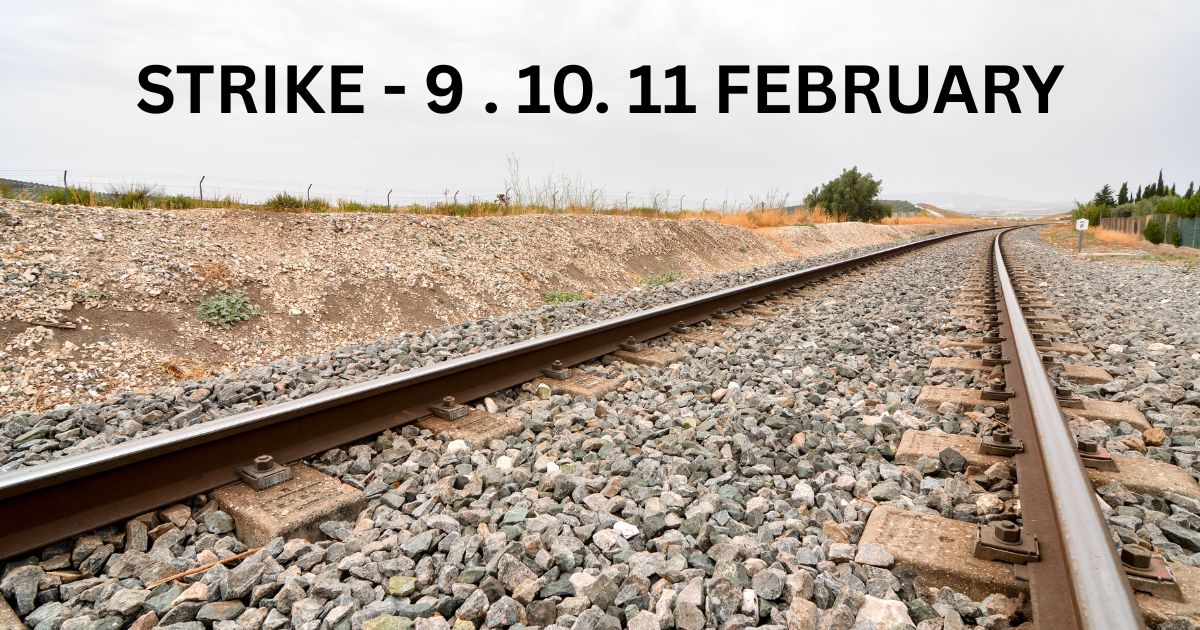
Spain has woken up to widespread rail disruption on Monday, 9 February, as a national rail strike begins, affecting high-speed, long-distance, and commuter services across the country. While minimum services are in place, hundreds of trains have been cancelled or rescheduled, leaving many passengers facing delays, crowded platforms, and last-minute changes.
The strike, called by rail unions, runs from 9 to 11 February and coincides with ongoing weather disruption in parts of the country. Together, the two factors are creating a complicated start to the week for commuters and travellers.
Minimum services in force nationwide
Spain’s Transport Ministry has set mandatory minimum service levels to keep essential connections running. These vary by service type and region but typically include a reduced timetable on Cercanías commuter lines and selected high-speed and long-distance routes operating at a lower frequency.
Rail operator Renfe has published updated lists of services that will run and those cancelled, urging passengers to check their journey status before travelling. Some routes are operating at between 50% and 75% capacity, depending on demand and classification as “essential”.
Travellers with tickets for cancelled trains are entitled to rebooking or refunds. Renfe says customers will be contacted directly where possible, but passengers are advised to check their booking through official channels before heading to the station.
Disruption varies by region
Major commuter networks in Madrid, Barcelona, Valencia and other cities are running reduced timetables, with peak-hour services prioritised. Long-distance and high-speed routes are also affected, though many core inter-city connections continue to operate under minimum service rules.
Regional rail services have seen the most uneven disruption, particularly where weather-related repairs and safety checks were already underway following recent storms. In some areas, strike-related cancellations are overlapping with infrastructure recovery work, leading to further delays.
Authorities say there have been no major incidents linked to the strike so far, though crowding at stations during peak hours remains a concern.
What passengers should do
Anyone planning to travel by train on Monday should check the status of their service before leaving home. Renfe’s website and app provide live updates, and station information screens are being updated regularly. Travellers are advised to allow extra time for journeys, expect longer queues and consider alternative transport where possible.
Passengers whose trains are cancelled can change tickets free of charge or request a refund through Renfe’s customer service channels. In some cases, alternative departures are being offered on the same day or the following day, depending on availability.
A difficult week for transport
The rail strike is scheduled to continue through Wednesday, meaning disruption is likely to persist over the next two days. At the same time, parts of Spain remain under weather warnings after recent storms, with further unsettled conditions forecast in some regions.
For many travellers, the combination of strike action and weather-related disruption means planning ahead and staying flexible will be essential.