 Lorraine Williamson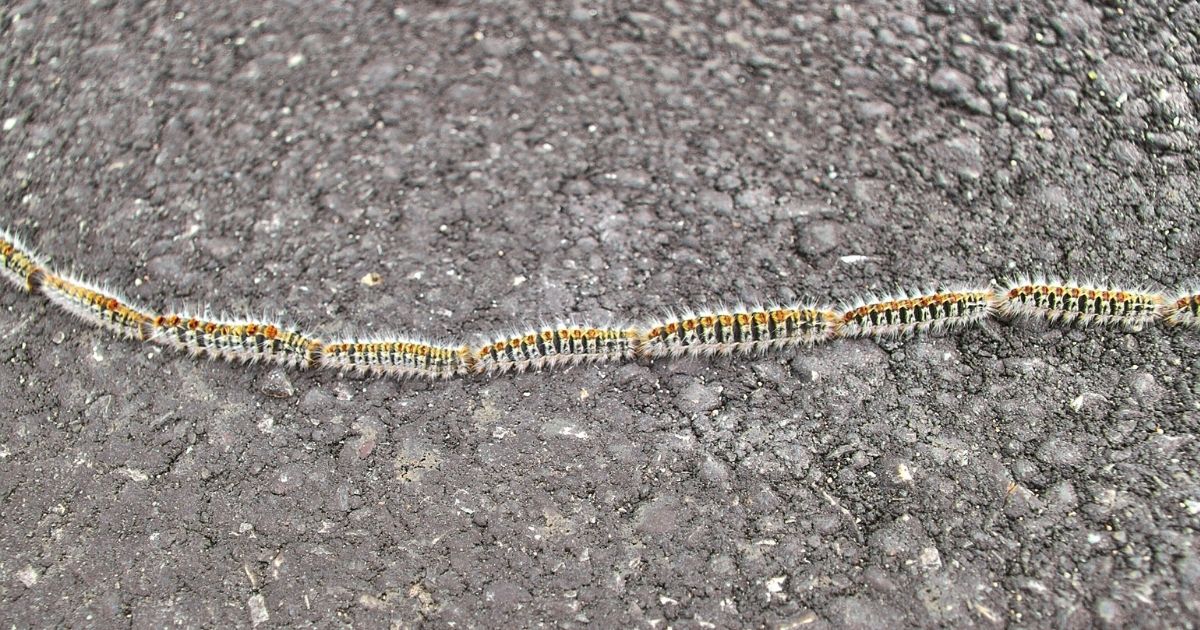
They are small, easy to miss at first glance, and dangerously common at this time of year. But processionary caterpillars in Spain can cause serious problems for pets, children, and adults, especially in pine-heavy areas, parks, gardens, and countryside walking routes.
The risk is not just from touching them. Their urticating hairs can spread in the air and trigger reactions in the skin, eyes, and airways. Official public-health advice from the Community of Madrid says people should never touch or go near the nests or caterpillars, and that removal should only be carried out by specialised professionals.
Why they are so dangerous
The biggest danger comes from the caterpillars’ tiny stinging hairs. Sevilla City Council warns that even minimal contact can cause the hairs to disperse and float in the air, increasing the chance of irritation. The council says affected areas should be cordoned off and the emergency number 112 contacted if there is a risk to the public.
That matters for more than direct contact. People with asthma, chronic respiratory conditions, or strong allergies may be more vulnerable if hairs are airborne in a garden, park, or pine-covered area. The Community of Madrid advises avoiding walks under or near affected trees, and says that if being in an infected zone cannot be avoided, it is sensible to wear clothing that covers most of the body, along with a cap and glasses.
What to do if you see them
Do not touch the caterpillars. Do not brush them away. And, do not try to stamp on them or sweep them up.
That is the consistent message from Spanish public authorities. The Community of Madrid says nests and caterpillars should not be removed by residents. Meanwhile, the Sevilla City Council warns against any form of contact because of the airborne hairs.
If they are in a public space, report them to the local council. If they are in a private garden or on your land, use a qualified pest-control or tree-care professional rather than attempting removal yourself.
Pets are at particular risk
Dogs are especially vulnerable because they sniff the ground, investigate movement, and may try to lick or bite the caterpillars. Official veterinary guidance from the Murcia College of Veterinarians says contact can lead to swelling of the muzzle, excessive drooling, frantic scratching, tongue swelling, a blue-coloured tongue, fever, breathing difficulty, conjunctivitis, corneal ulcers, and tongue injuries that may progress to necrosis. It adds that if ingestion is possible, the danger can become life-threatening within hours and should be treated as a veterinary emergency.
That is why owners should keep dogs on a lead in pine areas during the danger period, avoid letting them sniff around beneath pines, and react quickly if there is any suspicion of contact.
If your pet may have come into contact with processionary caterpillars, seek urgent veterinary help immediately. A veterinary college publication also advises washing the affected area with warm water and taking the animal to a vet as an emergency.
Gardeners and outdoor workers should be careful too
This is not only a woodland issue. Murcia’s health service warns that people living on plots with pine trees nearby should avoid hanging washing outside during late winter and spring in infected areas, and should not pick objects up from the ground, including cones or firewood, where nests or caterpillars may be present.
That has obvious implications for gardeners, landscapers, and anyone clearing outdoor areas. Gloves alone are not enough if hairs are airborne. If you suspect a pine on your property is affected, the safest route is inspection and treatment by professionals rather than DIY removal.
When are they most active?
Madrid City Council explains the life cycle clearly. Adult moths lay eggs mainly in July and August. The larvae develop in the trees and create the visible white silk nests, or bolsones, during the colder months. The most dangerous moment for people and pets often comes later, when the caterpillars descend from the trees in their familiar head-to-tail lines.
Recent veterinary guidance from Murcia says caterpillars have already been seen on the ground this year and that wind can increase the risk by knocking them down or spreading their hairs and remains into walking areas.
Can you get rid of them safely yourself?
In most cases, no. Public-health guidance is clear that nests and caterpillars should not be handled by residents. The reason is simple: badly judged removal can make the problem worse and increase exposure.
If there is an established infestation, it usually needs a planned response that may include pruning out nests, specialist trapping systems, or professional treatment. General pest-management guidance from Spain’s agriculture ministry includes methods such as destruction of nests, larval trapping, and seasonal control techniques, depending on the setting.
How to prevent problems next season
Prevention starts well before spring. Madrid City Council says the moth stage appears in summer, with egg laying mainly in July and August. That means prevention for the next cycle begins in the warmer months and continues through autumn and winter.
Municipal control campaigns in Spain commonly use a mix of approaches throughout the year. Manzanares El Real describes the pattern as pheromone traps in summer, nest removal in winter, collar traps when caterpillars descend in spring, and biological or endotherapy-style treatments in autumn-winter. Marbella City Council has also said it carries out annual endotherapy campaigns to prevent the appearance of processionary caterpillars in urban trees.
For householders, the practical takeaway is straightforward: if you have pines on your property, do not wait until the caterpillars are marching across the ground. Ask about inspection and prevention from late summer onwards, and review treatment options in autumn or winter, when the next season’s problem is easier to manage.
The key point this spring
The danger with processionary caterpillars is that people often think of them as a nuisance rather than a health risk. In reality, they can cause painful reactions, serious distress in pets, and real problems for anyone with allergies or breathing issues.
This is one of those spring hazards in Spain that is best taken seriously early. If you see them, keep your distance, keep pets away, and get specialist help. And if you have pine trees at home, the best moment to think about next year’s prevention is long before next spring arrives.