 Lorraine Williamson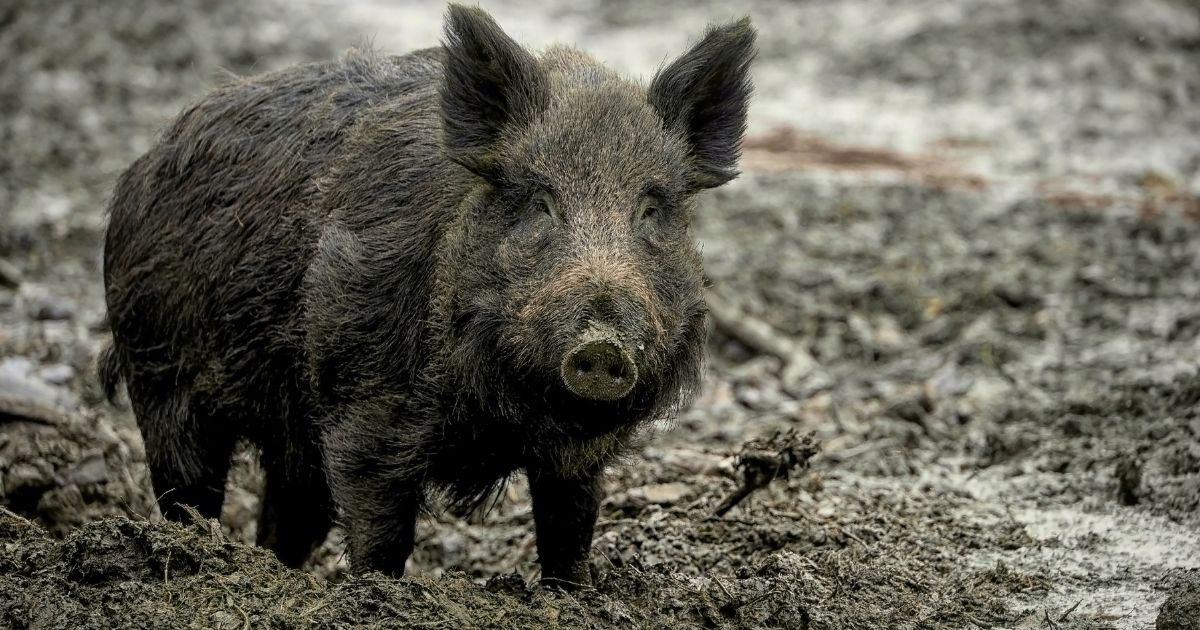
Catalonia is facing its most disruptive animal-health crisis in years after African swine fever was confirmed in wild boar on the edge of Barcelona. The Catalonia swine fever outbreak has prompted sweeping access restrictions around the Serra de Collserola and an unprecedented pre-emptive cull of domestic pigs in nearby farming zones. Authorities say the next few days will determine whether the region can halt the virus before it reaches commercial farms.
The alarm sounded when two wild boars found dead near Bellaterra tested positive at the end of November. Subsequent surveillance revealed more infected animals inside Collserola, a densely forested natural park already known for its large and increasingly urban boar population.
Early speculation centred on contaminated food waste — a route seen in previous European outbreaks — but investigators soon realised the pattern was wider than a one-off incident. The Generalitat responded with a strategy built around rapid containment rather than waiting for farm cases to emerge.
Ninety-one municipalities face sweeping outdoor closures
The most visible change for residents came when the government ordered public access bans across natural and agricultural areas in 91 surrounding municipalities. Forest trails, riverbanks, hiking paths and rural tracks are now off-limits, with exceptions only for essential farm work carried out under strict biosecurity controls. Outdoor sports, forestry activity and hunting have all been suspended.
Lower-risk zones have limited access, but with strict routes, vehicle controls and mandatory disinfection. Hundreds of officers have been deployed to enforce the closures, marking one of the most ambitious access-control operations undertaken in Catalonia outside wildfire season.
Wild boar proliferation poses health risks
A cull that aims to protect the wider sector
Inside the surveillance perimeter sit 39 pig farms. None has recorded an infection, yet around 30,000 pigs are being culled as a preventive buffer to stop any potential leap from wildlife to livestock. All meat from these animals will be processed for domestic consumption.
Farmers — already under economic strain in recent years — have backed the decision reluctantly, warning that the alternative could be catastrophic for Spain’s pork sector, one of Europe’s most important exporters.
New focus turns to the virus’s origin
Once the emergency phase stabilised, attention shifted to understanding precisely how this strain reached Collserola. Laboratory analysis showed a match with a research variant used in certain scientific facilities. Although officials emphasise there is no evidence of a laboratory leak, the government has ordered audits of all centres handling this strain to rule out accidental escape.
The move reflects wider European concerns about biosecurity in wildlife-dense regions, where even small breaches could have far-reaching economic effects.
A region living with restrictions
Tens of thousands of residents now find themselves cut off from natural spaces they use daily. Tourism businesses in the Barcelona metropolitan area — from guided walks to cycling tours — are reporting cancellations. Meanwhile, international pork buyers are watching developments closely for any sign of spread, mindful of trade implications if Spain’s disease-free status is compromised.
What lies ahead for Catalonia
Officials believe that strict closures, farm-level vigilance and the rapid cull offer the best chance of containing the Catalonia swine fever outbreak. Surveillance is being intensified across the region as scientists evaluate whether the virus is circulating beyond Collserola.
If early signs point to containment, restrictions may ease in the weeks ahead. But if new cases appear in wildlife corridors leading out of Barcelona, Catalonia may need to brace for a longer-term response — one that tests the resilience of residents, farmers and the region’s export-driven pork industry.
Sources: El Periodico, RTVE, El País