 Lorraine Williamson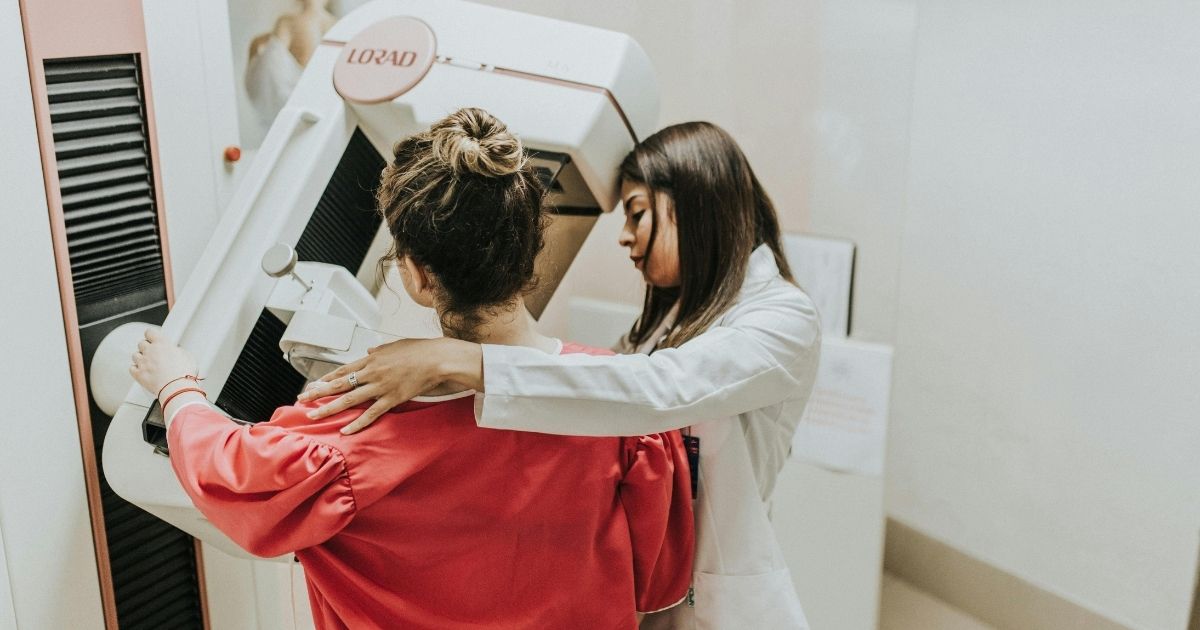
Spain is expanding its national breast cancer screening programme to cover more women, in one of the most significant public health changes approved this year.
The Ministry of Health has confirmed that breast cancer screening in Spain will now include women aged 45 to 74. Until now, the common national programme covered women aged 50 to 69, with mammograms offered every two years through the public health system.
The change was approved by Spain’s Public Health Commission on Wednesday, May 20. It will be introduced progressively by the autonomous communities, which manage healthcare delivery across Spain.
What readers need to know
The new screening range covers women from 45 to 74 years old.
Mammograms will continue to be offered every two years across the expanded age group. The rollout will not happen everywhere at once, as each autonomous community will need to adapt staffing, equipment, appointments and invitation systems.
According to RTVE, the regions will have up to six years to reach full coverage across the new age range.
For women already in the previous 50 to 69 age group, the basic system remains the same. The main change is that younger women from 45 and older women up to 74 will gradually be brought into the public screening programme.
Why Spain is expanding the programme
The Ministry of Health says the decision follows recommendations from Spain’s health technology assessment network, RedETS, as well as European guidance and clinical evidence on the benefits of earlier detection.
RTVE reports that around 10% of breast cancers in Spain are diagnosed in women under 50, which is one of the reasons the lower age limit is being reduced to 45.
The upper age limit is also being extended from 69 to 74, reflecting concerns that breast cancer risk remains relevant beyond the previous cut-off.
How screening works in Spain
Breast cancer screening in Spain is organised through the public health system and managed by the autonomous communities.
In most cases, eligible women are invited directly for a mammogram. The invitation usually depends on age, health-card records and registration with the regional health service.
This means the practical details may vary from one region to another. Some communities may already be screening parts of the new age range, while others will need more time to adjust.
Women who believe they should be included but have not received an invitation should contact their local health centre or regional health authority.
Do not wait for screening if you notice a change
Screening is designed for women who do not have symptoms. Anyone who notices an unusual change in their breast, chest or armpit should contact their GP, family doctor or local health centre rather than waiting for a routine mammogram invitation. Warning signs can include a new lump or swelling, changes in breast shape or size, skin dimpling, redness, nipple changes, discharge, persistent pain or swelling under the arm. The Spanish Society of Medical Oncology says many breast lumps are benign, but any of these symptoms should still be assessed by a doctor
What this means for foreign residents
The change is particularly relevant for foreign women living in Spain who are registered in the public health system.
Those with a Spanish health card should make sure their contact details are up to date with their local health centre. Screening invitations often arrive by letter, phone message or through regional health apps and portals.
Women using private healthcare should ask their doctor or insurer how routine mammograms are managed. The Ministry’s announcement refers to the public Sistema Nacional de Salud programme.
The key point is simple: eligibility is expanding, but access will still depend on regional rollout and proper registration in the local health system.
A gradual rollout, not an overnight change
The expansion will require more appointments, radiology capacity and administrative coordination. That is why the change will be phased in rather than introduced nationwide on a single date.
Spanish media, including Cadena SER and RTVE, report that the expected cost has been estimated at around €534 million between 2025 and 2029, although the final amount may vary because some regions have already started expanding access.
The Ministry’s 2025 report on breast cancer screening also highlights the complexity of running these programmes across Spain, with regional systems responsible for invitations, mammography units, follow-up and quality monitoring.
Why early detection matters
Breast cancer screening does not prevent cancer from developing. Its purpose is to detect possible tumours earlier, often before symptoms appear.
An earlier diagnosis can allow treatment to begin sooner and may improve outcomes. However, screening also needs careful management, as mammograms can sometimes lead to false positives, further tests or anxiety.
That is why public screening programmes are usually designed around age groups, risk evidence and regular intervals rather than one-off testing.
The expanded screening programme is important, but it does not replace breast awareness. If something looks or feels different, ask for medical advice promptly.
Spain’s most diagnosed cancers in 2026 — and what early detection can change
A change women in Spain should watch closely
This decision widens access to routine mammograms for thousands of women across Spain. For many, especially those aged 45 to 49 or 70 to 74, it may mean being called into the public screening system for the first time.
The most important step now is practical. Women in the new age range should check that they are correctly registered with their regional health service and that their contact details are current.
The policy has been approved nationally. The next stage depends on how quickly each autonomous community can put it into practice.