 Lorraine Williamson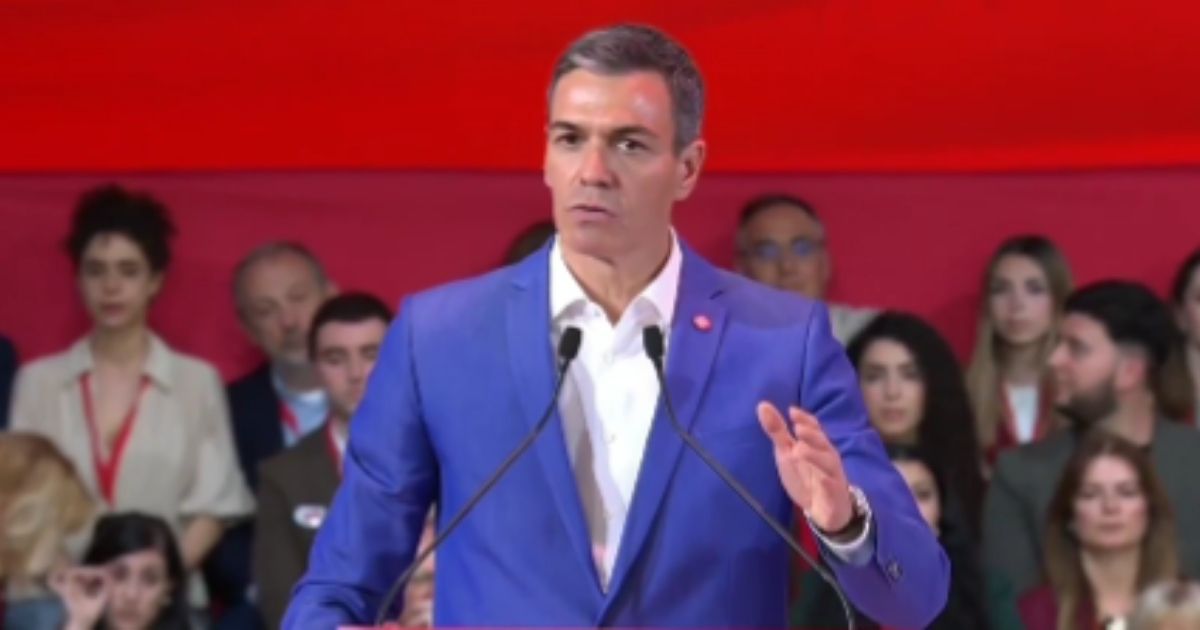
Barcelona has become the stage for a new attempt to rebuild progressive politics as Pedro Sánchez and a broad group of international allies try to answer the global rise of the far right. More than 6,000 activists and leaders from over 40 countries gathered in the city for the Global Progressive Mobilisation, according to Reuters.
For Spain, the summit is about more than optics. It allows Sánchez to present himself as one of the most visible international voices on the centre left at a time when domestic politics remain difficult, and European democracies are under pressure from populist and far-right movements. El País says the gathering has helped restore confidence inside the PSOE after recent scandals and setbacks, giving the party what one report described as a badly needed ideological boost.
A Barcelona gathering with global ambitions
The event brought together a mix of heads of government, ministers, campaigners, and international figures. Reuters says the focus was not just on resisting the far right, but on trying to reconnect with working-class voters who are increasingly shaped by concerns over the cost of living, insecurity, and distrust of institutions.
That explains why the language coming out of Barcelona was less about abstract values and more about everyday pressure. Speakers argued that progressive politics will not recover simply by denouncing the far right. They need to show they can respond credibly to inflation, inequality, housing stress, and weak public services. Reuters says calls included higher taxes on the wealthy, stronger action on social justice, and more realistic economic answers for frustrated voters.
Sánchez and Lula drive the message
One of the clearest images of the summit has been the political alignment between Sánchez and Brazilian president Luiz Inácio Lula da Silva. AP reported ahead of the event that the two leaders planned to use Barcelona to “work for peace” and defend democratic institutions at a moment when the international order is under strain.
El País says Sánchez and Lula have increasingly consolidated their relationship as two of the most visible left-leaning leaders in Europe and Latin America. That gave the summit a broader strategic purpose: not just a Spanish domestic story, but an attempt to build a cross-Atlantic front against what participants see as an emboldened international right.
AP also reported that senior US Democrats, including Chris Murphy and Tim Walz, joined the Barcelona events, adding a transatlantic dimension and reinforcing the idea that the gathering was intended as a response to political currents associated with Donald Trump and the wider far-right ecosystem.
Spain’s domestic politics sit just below the surface
Although the summit was international in scope, it also served a domestic function for Sánchez.
El País reports that PSOE figures saw the Barcelona gathering as a morale boost at a difficult moment for the party. The event allowed Sánchez to lean into his international profile while contrasting his message with PP and Vox cooperation inside Spain.
That gives the summit a double meaning. Internationally, it is a call to organise against the far right. At home, it is a reminder that Sánchez wants to fight the next political battles in Spain from a position of ideological clarity rather than defensive management.
Can Barcelona change the mood?
That is the harder question.
The problem for progressive leaders is not gathering allies or producing strong speeches. It is convincing voters that they understand daily pressures better than the movements they are trying to stop. Reuters notes that participants repeatedly returned to the need to address economic anxiety, because that is where many far-right parties are making gains.
In that sense, Barcelona may matter less for the declarations issued over the weekend than for whether the people on stage can translate them into policies that feel real. If the summit produces only rhetoric, it will fade quickly. If it helps shape clearer responses on housing, wages, public services, and democratic trust, Sánchez will be able to argue that Spain was not just hosting a conference but helping to set the tone for a wider political counter-offensive. That is an inference based on the summit’s stated aims and the themes highlighted by participants.
Broader international shift
The Barcelona summit matters because it shows Spain trying to play a larger political role at a time when Europe’s direction feels increasingly unstable. It also reflects how closely Spain’s internal politics now connect to wider debates about democracy, migration, inequality, and the future of the centre left. Reuters and AP both frame the event as part of an attempt to answer a broader international shift, not simply a local party gathering.
Whether that attempt succeeds is still open to debate. But Barcelona has given Sánchez an unmistakable platform, and he has used it to argue that the answer to the far right must be political, social, and international all at once.