 Lorraine Williamson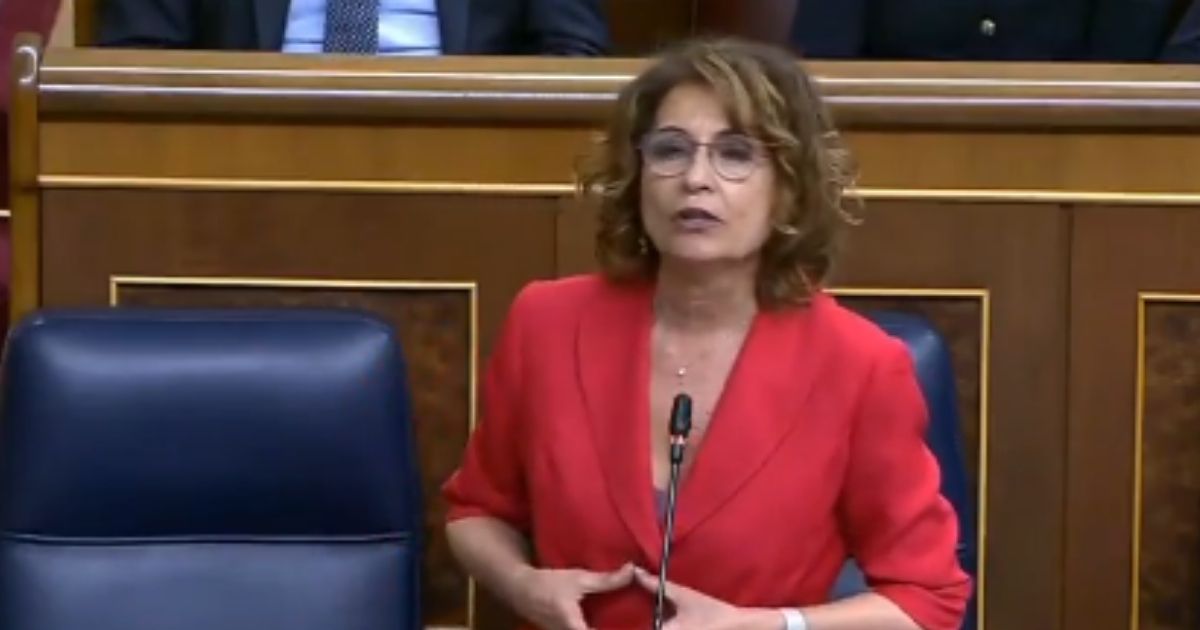
Pedro Sánchez has reportedly decided to push back the next PSOE Federal Committee until after the Andalucia regional election on 17 May, shelving what could have been a major internal meeting at a politically sensitive moment for the party. The move comes as the Socialists concentrate heavily on Andalucia, where María Jesús Montero now leads the PSOE’s attempt to unseat Juanma Moreno’s PP.
The decision is politically significant not only because of the timing, but because there is still no clear timetable for municipal primaries. That leaves local and regional party structures waiting for direction while Ferraz appears to prioritise unity and message discipline ahead of one of the PSOE’s most important electoral tests of 2026. This point about the delay in primaries is being reported in current media coverage of the party’s internal calendar, although public official detail remains limited so far.
Why Andalucia matters so much to Sánchez
Andalucia is not just another regional contest. It is Spain’s most populous autonomous community and a key symbolic battleground for the PSOE, which once treated the region as a political stronghold. The election is set for 17 May 2026, and the party has already framed it as a major chance for change under Montero’s leadership.
That helps explain why Sánchez may be reluctant to open up broader internal debates right now. A Federal Committee before the election could easily have turned attention towards internal organisation, municipal jockeying and unresolved territorial issues instead of the campaign message the party wants in Andalucia. That is an inference from the electoral timetable and the party’s current public focus on the Andalucian race.
Montero is already central to the PSOE strategy
The PSOE’s own public agenda has recently placed María Jesús Montero at the centre of its Andalucian push, reflecting how closely the regional campaign is tied to the national leadership. PSOE schedule updates have highlighted her role both as the party’s vicesecretaria general and as secretary general of the PSOE in Andalucia.
That dual role makes the timing even more delicate. Any internal turbulence in Madrid could quickly spill into the campaign in Andalucia, where Montero needs the focus on the PP-led Junta, public services and cost-of-living issues rather than on Socialist process stories.
The wider internal picture is still unresolved
The delay also lands at a moment when other PSOE federations are still working through leadership and organisational questions. In Extremadura, for example, the party is in the middle of a live primary process to choose a new territorial leader, underlining that internal restructuring is far from over across Spain.
That matters because municipal primaries are not a technical footnote. They shape who controls local power bases, candidate selection and campaign machinery ahead of the next cycle of local elections. If the timetable remains open, uncertainty is likely to continue at the local level even while Ferraz insists on discipline at the top.
A delay designed to avoid distraction
Politically, this looks like a classic containment move. By postponing the committee until after the Andalusian vote, Sánchez reduces the risk of internal headlines drowning out a campaign the PSOE wants to present as a fresh start in one of its most important territories.
Whether that works will depend on the election result. A strong PSOE performance in Andalucia would make the delay look tactical and effective. A poor one would likely intensify questions over why the leadership chose to postpone a key organisational moment rather than confront those debates earlier.
Andalucía election fight steps up as Moreno and Montero line up for TV showdown
Why this story matters beyond party insiders
For many readers, internal PSOE scheduling may sound like niche politics. In practice, it affects candidate selection, campaign planning and the party’s ability to project unity in a year when regional contests could shape the mood well beyond Andalucia.
For now, the message from the top appears clear: first the Andalucian election, then the internal calendar.