 Lorraine Williamson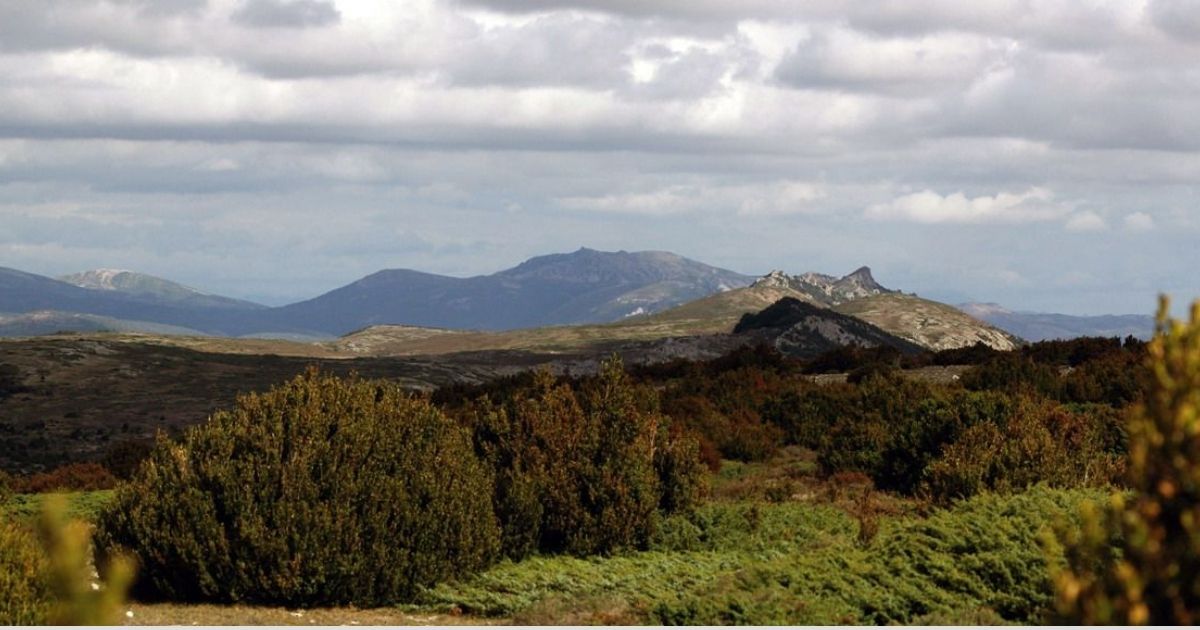
Not every standout destination in Spain comes with a beach, a cathedral, or a famous old town. In the north of Burgos, one vast natural area has earned a far more unusual label: the “New York of the forests”.
The nickname points to La Metrópoli Verde, the visitor hub and wider forest experience within the Montes Obarenes-San Zadornil Natural Park, a protected landscape in north-east Burgos where woods, ravines, viewpoints, and marked routes create a setting that feels both wild and carefully mapped. Official tourism and environmental sources describe the park as stretching across roughly 33,000 hectares, on the edge of the Cantabrian range and close to Álava.
What is Spain’s ‘New York of the forests’?
It is the nickname used for La Metrópoli Verde in Burgos, within the Montes Obarenes-San Zadornil Natural Park, a large protected area known for its forest routes, viewpoints and biodiversity.
Why the nickname fits
The appeal is not that the landscape looks urban. It is that the area has been interpreted almost like a green city, with routes, sectors, and stopping points that help visitors move through a huge, varied woodland environment. Spain’s Caminos Naturales network refers to the Casa del Parque Natural Montes Obarenes–San Zadornil “La Metrópoli Verde”, confirming the name is used officially on-site rather than being just a travel-writer flourish.
That framing makes sense once you look at the terrain. The park sits where mountain systems, river gorges, and the plains of La Bureba meet, creating abrupt changes in relief and vegetation. Castilla y León’s tourism board highlights the dramatic walls of the Obarenes and the gorges carved by rivers, including the Ebro, Oca, and Purón, which help explain why the scenery shifts so quickly from one section to the next.
A place built for walkers, cyclists, and slow travel
This is the sort of destination that suits readers looking for fresh-air Spain rather than crowded city breaks. The park is promoted through walking routes, viewpoints, and nature-based tourism, and the official visitor infrastructure includes a Casa del Parque linked to La Metrópoli Verde. The wider area is also served by marked routes through valleys, forest zones and lookout points.
That matters because hidden nature stories work best when they are actually usable. This one is. It is not just a scenic idea on a map. It is somewhere you can realistically plan around if you want a spring or early summer inland escape.
A quick guide to Burgos
Why Montes Obarenes-San Zadornil stands out
The natural park is one of those Spanish landscapes that still feels underexposed outside domestic travel circles. According to official regional sources, it is home to a wide range of flora and fauna, including 128 catalogued vertebrate species, with birds of prey and mammals among the wildlife highlights. Sources from the area also point to the mix of Atlantic and Mediterranean influences, which helps explain the richness of habitats found within a relatively compact part of inland northern Spain.
That biodiversity gives the place more depth than a single-viewpoint destination. It is not about arriving, taking a photo, and leaving. It is about moving through changing forest textures, ravines, and ridgelines that feel different from one hour to the next.
A strong angle for spring travel in Spain
At this point in the calendar, this sort of article lands well. Readers are starting to think about spring weekends, Easter escapes, and cooler alternatives to the busier coastal circuit. Burgos does not always dominate that conversation, but that is part of the charm.
What the “New York of the forests” really offers is contrast. It is inland, green, quieter, and rooted in a slower style of travel. In a season when many people start searching for somewhere scenic without summer crowds, that can be a very strong hook.
Why this Burgos forest deserves a closer look
Spain is full of places that are famous for being famous. This is not one of them. Montes Obarenes-San Zadornil feels more rewarding than that.
The unusual nickname may catch attention first, but the real story is the landscape behind it: a huge protected park, a distinctive visitor concept in La Metrópoli Verde, and a corner of Burgos that deserves more space in the conversation about nature travel in Spain.