 Lorraine Williamson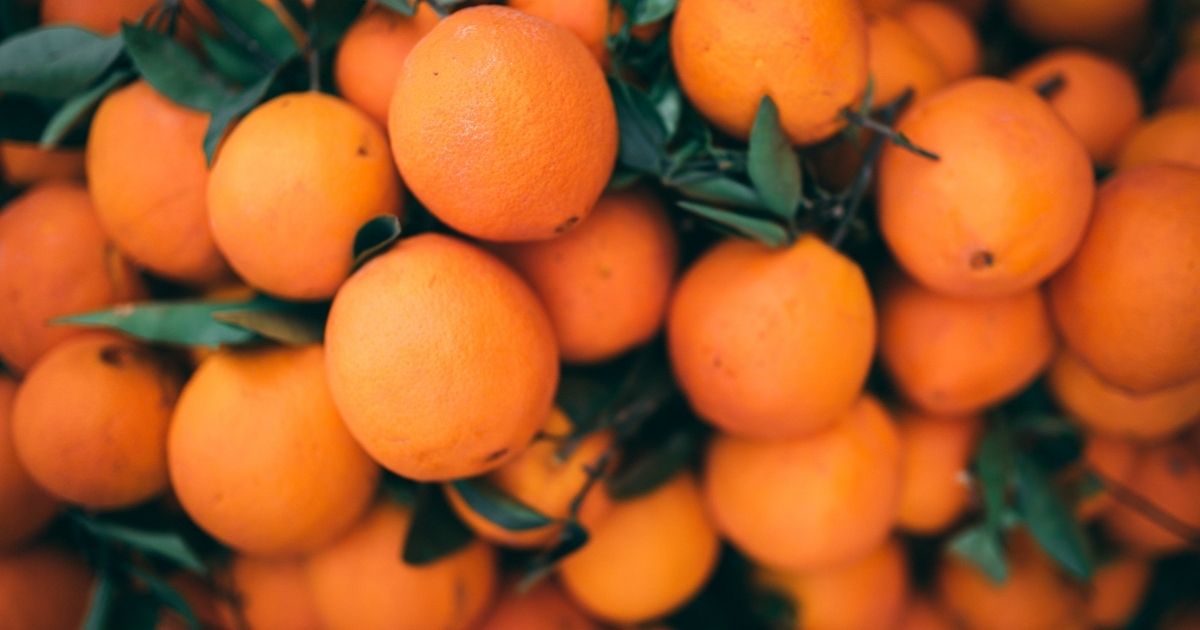
Real Betis have unveiled a new home shirt with a twist that feels unmistakably Sevillian. The club’s latest kit is made partly from fibres derived from orange peel, linking one of the city’s most recognisable symbols to a wider message about sustainability, innovation, and urban identity.
It is the kind of launch that goes beyond football. In Seville, orange trees are not just decorative. They line streets and squares across the city, shape its spring scent and help define its visual character. Betis have now turned that local image into a shirt designed to stand out for more than just its colours.
A shirt rooted in Seville itself
The new kit was developed with sportswear brand Hummel as part of Betis’ Forever Green sustainability platform. The idea is simple, but clever: take a by-product that would normally be discarded and transform it into part of a professional sports garment.
According to the club’s sustainability messaging, the fabric combines fibres from orange peel with other lower-impact materials, including lyocell and recycled polyester. The aim is to show that circular materials are not limited to niche eco-products, but can be used in elite sport too.
That gives the story a stronger angle than a normal shirt launch. This is not just a fresh design for the new season. It is also a piece of branding that ties Betis directly to Seville’s landscape and to the growing push for more sustainable manufacturing in sport.
Why orange peel?
On paper, it sounds unusual. In practice, it makes a lot of sense for Seville.
The city is known for its thousands of bitter orange trees, which bring colour, shade and a distinctive scent to the streets, particularly in spring. They are part of Seville’s identity in a way that visitors notice almost immediately. Betis have taken that familiar local symbol and used it to tell a wider story about reuse and environmental awareness.
It is also a smart bit of football marketing. Clubs increasingly want shirts to do more than sell. They want them to carry a message, spark conversation and give supporters something that feels tied to place. This one does exactly that.
More than a sustainability gimmick
There is always a risk that eco-themed launches can feel like surface-level branding. Betis will argue that this one fits into a bigger picture.
The club has spent years pushing its Forever Green initiative, which has become one of the more recognisable sustainability programmes in European football. By launching a shirt linked to food-chain by-products and circular materials, Betis are trying to show that the environmental conversation can be built into the product itself, not just around it.
That matters because football’s commercial world is increasingly under pressure to prove its green claims. Fans are more likely to respond when sustainability is visible, tangible and rooted in something authentic. A shirt inspired by Seville’s orange trees has a better chance of landing than a generic eco slogan.
A design with a local scent
One of the more unusual details is that the numbers on the back reportedly include a light orange blossom scent effect when rubbed, echoing the fragrance that fills many Sevillian streets in spring.
That detail could easily have tipped into gimmick territory, but in this case, it reinforces the same idea running through the rest of the shirt: that the kit is trying to evoke Seville, not just reference sustainability in abstract terms.
The colours also follow that line, blending Betis green with tones inspired by leaves and fruit. It gives the shirt a strong local personality without drifting too far from the club’s identity.
Football, fashion and the push for circular materials
Betis are not the only club to explore more sustainable kit production, but this launch is unusual enough to stand out. Football shirts have become global retail products, fashion items and identity pieces all at once. That creates space for clubs to experiment with materials and story-led design in a way that would have seemed unlikely a decade ago.
In that sense, the orange-peel shirt is part of a broader trend. Sport is becoming a testing ground for ideas that blend performance, branding and environmental messaging. Some will stick. Some will feel forced. Betis’ effort works because it starts with something genuinely local.
Seville generates clean energy with bitter oranges
Why this shirt will get people talking
The real strength of the launch is that it feels specific to Seville. It is not a sustainability concept that could have been copied and pasted onto any club in Europe. It belongs to a city known for its orange trees, its spring streets and its sense of place.
That is what gives the story its edge. Real Betis have not just unveiled another football shirt. They have produced a piece of sportswear that turns a familiar part of everyday Seville into a statement about identity, innovation and how football wants to present itself now.