 Lorraine Williamson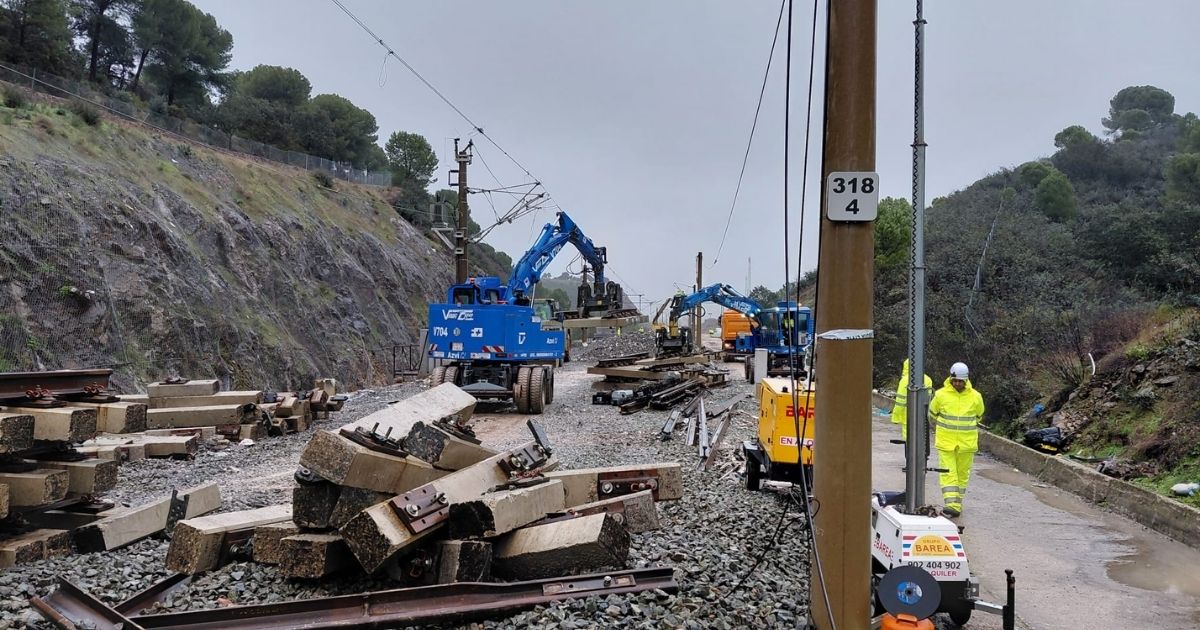
Just 15 seconds passed between the first sign of derailment on the Iryo train and the collision that followed in the Adamuz rail disaster, according to the latest findings from Spain’s rail accident investigators, sharpening attention on the state of the track and giving families the clearest timeline yet of how the tragedy unfolded.
The new detail has emerged from analysis of the trains’ black boxes and related technical evidence in the investigation into the 18 January crash near Adamuz, in Córdoba province, which left 46 people dead and more than 120 injured. Fresh reporting in Spain on Wednesday says the first anomaly was recorded at 19:43:29, when the Iryo train suffered an electrical disconnection consistent with the first symptom of the derailment. Fifteen seconds later, at 19:43:44, the Alvia data recording stopped as the collision sequence reached its devastating end.
The timing matters because it reinforces one of the central lines of inquiry already under scrutiny for weeks: that the two drivers had virtually no chance of preventing what happened. El País reported late on Tuesday that the black-box evidence strengthens the hypothesis of a track failure and suggests the train crew could not have avoided the impact once the derailment began.
That does not amount to a final conclusion. The investigation remains open, and officials have not formally assigned blame. But the latest findings move the focus back towards the infrastructure itself, particularly the stretch where investigators have been examining a fracture in the rail.
A rail fracture remains at the heart of the case
The Adamuz disaster has already raised serious questions about maintenance, oversight and the condition of Spain’s rail infrastructure. It was previously reported that investigators were focusing on a 40-centimetre break in a rail weld on the Madrid-Seville high-speed line, while other reporting has pointed to possible inconsistencies in maintenance paperwork linked to the same area.
Wednesday’s update gives that line of inquiry more weight. According to El País, the derailment point identified through the black-box sequence matches the same section where the rail break was found. In practical terms, that makes the infrastructure question harder to dismiss as a secondary issue.
For readers, that is the real significance of this latest development. The story is no longer only about what happened in the final moments before impact. It is also about whether warning signs were missed before the trains ever entered that section of track.
Why the 15-second timeline matters
Spain has seen intense public attention on the Adamuz case not only because of the scale of the loss, but because of what it may reveal about wider rail safety. A 15-second gap is startlingly short. It underlines how quickly the crisis escalated once the derailment started, and why the investigation is increasingly centred on what happened before the emergency, not only during it.
That distinction is important. If the decisive factor lay in the track rather than in driver reaction, operational judgement or braking response, the implications stretch beyond one accident site in Córdoba. They reach into broader questions about inspection regimes, welding work, maintenance records and the resilience of high-speed infrastructure.
A tragedy still demanding answers
For families of the victims, this is another painful but important step towards clarity. Technical reconstruction does not undo what happened, but it can narrow the field of uncertainty. The latest findings do that.
The coming phase of the investigation is likely to focus even more closely on the rail itself, the maintenance history of the line and whether any administrative or technical failures were overlooked. After weeks of partial fragments, Spain now has a clearer picture of the final seconds. The bigger question is whether those 15 seconds began with a failure that should never have been allowed to happen.