 Lorraine Williamson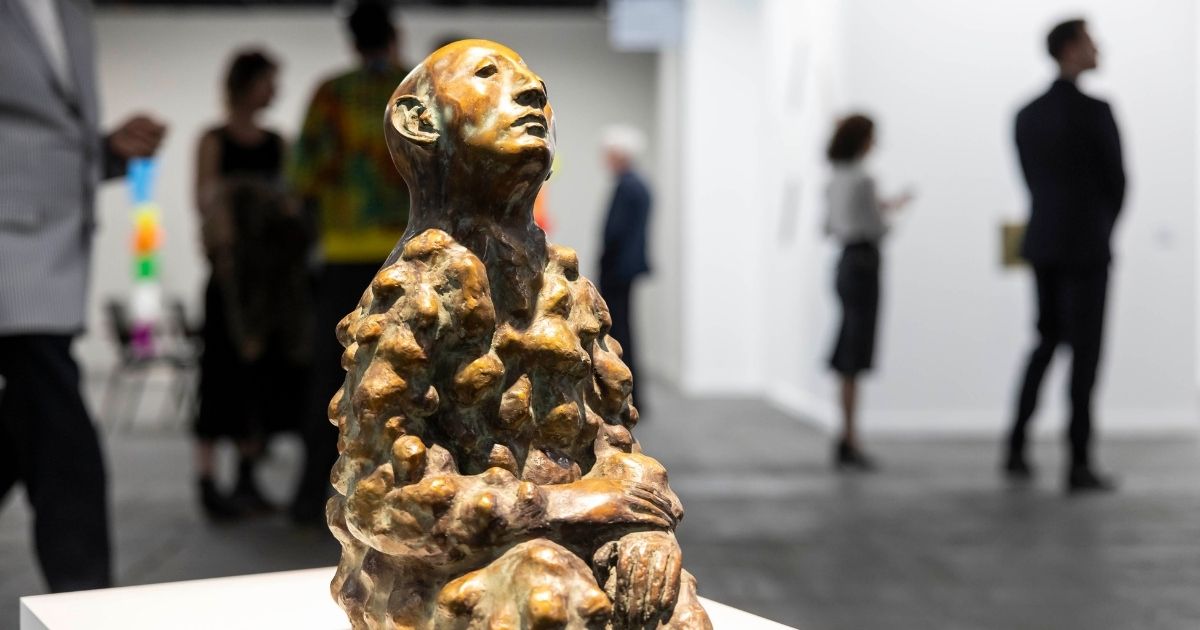
ARCOmadrid closed its 2026 edition on Sunday with 95,000 visitors and an estimated €195 million economic impact for the Spanish capital, underlining the fair’s growing importance not only as a major cultural event but also as a serious business driver for Madrid. According to IFEMA Madrid, the fair also drew around 40,000 art professionals from across the world
That matters because ARCO is no longer just a fixture on the art calendar. It has become one of the clearest examples of how culture can translate into hotel stays, restaurant bookings, transport spending, and wider international visibility for the city. With Madrid once again turning its art week into a wider economic event, this year’s closing figures suggest the fair remains one of Spain’s most valuable cultural showcases.
More than an art fair
The 2026 edition, ARCO’s 45th, brought together 211 galleries from 30 countries and around 1,300 artists, reinforcing Madrid’s position as one of Europe’s key meeting points for the contemporary art market. IFEMA described the overall balance as favourable both in attendance and in commercial activity.
That international pull is a large part of the story. In a crowded European cultural calendar, Madrid has managed to turn ARCO into something bigger than a trade fair. It is now a week in which collectors, curators, institutions, galleries, and visitors converge on the city at the same time, creating an effect that reaches well beyond the exhibition halls. This is an inference based on the visitor and professional turnout reported by the organisers.
Madrid’s art week is now an economic story too
The headline figure of €195 million is striking because it shows how deeply cultural events are now woven into Madrid’s wider economy. Hotels, taxis, restaurants, and local businesses all benefit when tens of thousands of visitors arrive for a fair with a strong international appeal. In that sense, ARCO is not only about sales in the galleries. It is also about the way culture helps the city market itself globally.
That argument has been gaining ground in Spain in recent years. Writing in Cinco Días, former culture minister José Guirao’s foundation director, Juan Cruz, argued that culture should be treated as a strategic economic sector, not a decorative extra, pointing to ARCO as one of the clearest examples of that reality. The piece noted how major cultural events activate tourism, hospitality and transport as well as the arts sector itself.
Buying, collecting, and institutional weight
This year’s edition also showed that the fair’s importance is not measured only in footfall. The Ministry of Culture announced the purchase of 17 works by 14 artists at ARCO for the Reina Sofía Museum, with a total investment of €402,760. Nine of those artists were women, reflecting the museum’s continued effort to broaden representation in its collection.
Other public institutions and private foundations also made acquisitions during the fair, reinforcing ARCO’s role as both a marketplace and a cultural barometer. That mix of institutional buying, commercial activity, and international attention is part of what keeps Madrid central to the Spanish and wider European contemporary art conversation each spring.
A fair that says something about Madrid
There is a wider message in these closing numbers. At a time when cities increasingly compete through events, image, and experience as much as through traditional business sectors, ARCO gives Madrid something valuable: visibility, prestige, and a chance to present itself as culturally ambitious as well as economically active. This is an inference based on the fair’s attendance, international participation, and estimated city impact.
For readers outside the art world, that may be the most important takeaway. ARCO 2026 was not simply a successful fair. It was another reminder that in Madrid, culture is also commerce, tourism and soft power. With 95,000 visitors, a substantial professional presence, and a reported €195 million boost for the capital, this year’s edition closed with figures that are hard to dismiss.
Madrid best destination 2026: what the ranking gets right — and how to do it better