 Lorraine Williamson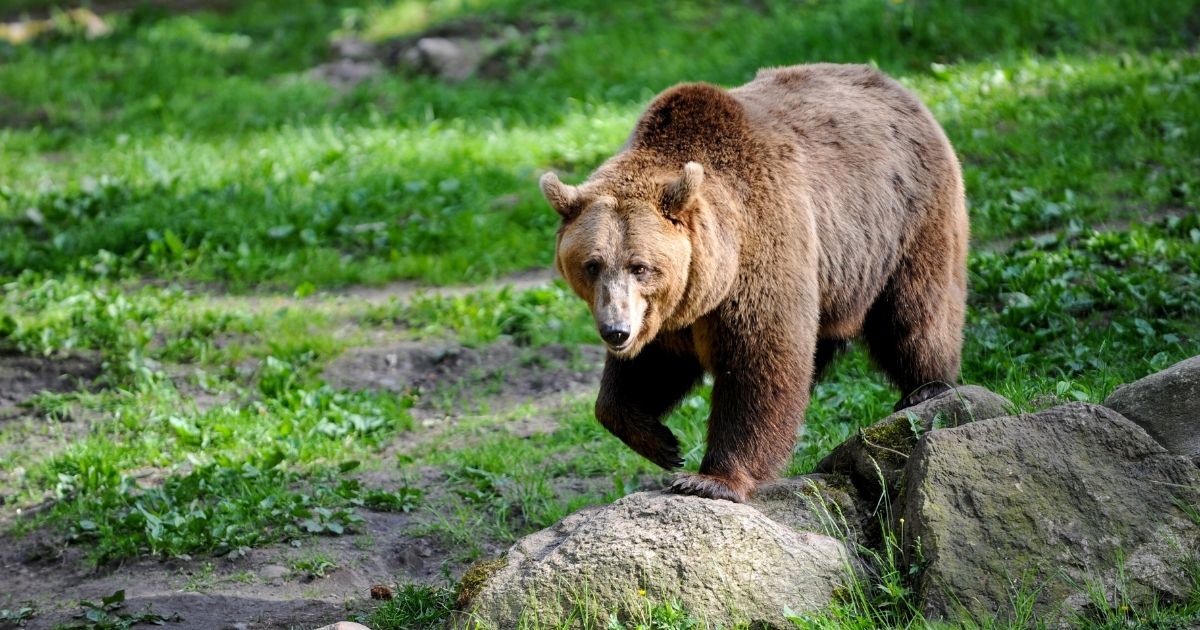
Spain´s brown bear return stories usually belong to the Cantabrian strongholds, where the species has clawed its way back from the brink. This week, a new study suggests the map is shifting again, with confirmed records in mountain areas of León, Zamora, and neighbouring parts of Ourense, where bears had been absent from modern records for more than 150 years.
It’s not a single dramatic sighting. Researchers compiled 85 documented records between 2012 and 2025, drawing on observations, camera-trap evidence, and other reliable signs that point to repeated presence across the north-west.
A quiet comeback in Spain’s emptier mountains
The locations matter as much as the animal. The sightings cluster in sparsely populated upland landscapes that still offer what large mammals need: cover, food, and long stretches of undisturbed terrain.
The study points to the sierras of La Cabrera (León), La Carballeda and Sanabria (Zamora), plus adjacent areas that edge into Ourense. These are not headline tourist hotspots. They’re places where rural depopulation has left more space for nature to breathe, even as communities fight to keep services and jobs.
Why 85 records matter more than one famous bear
A bear’s return doesn’t mean a stable new population is already established. But repeated, credible records over more than a decade suggest something stronger than a lost wanderer.
Seen in that light, the “Spain brown bear return” becomes a signal about connectivity. If bears are appearing again in these ranges, the corridors between better-known habitats may be working, or improving, in ways conservationists have been trying to engineer for years. (Digital CSIC)
What this does not prove
It does not automatically mean breeding is happening in these areas, or that numbers are rising locally. It does mean the conditions are good enough for bears to move through, feed, and keep coming back. That distinction will matter when public expectations inevitably jump ahead of the science.
Spain’s bears are still vulnerable, despite progress
The good news comes with a reality check. In Spain, brown bears are still concentrated mainly in two zones: the Cantabrian ranges and the Pyrenees, with the Cantabrian population widely cited at around the high hundreds in recent estimates.
That makes every extension of range important, but it also keeps the species sensitive to disturbance, illegal killing, road risks, and human-bear conflict around beehives and livestock. A recovering population can unravel quickly if tolerance collapses on the ground.
What local communities may notice next
If bear presence continues, rural areas could see a mix of pressures and opportunities. There may be more calls for compensation where damage occurs, and more demand for practical coexistence measures such as secured waste, better-protected apiaries, and clearer rules for hikers and mushroom pickers.
There’s also a tourism angle, though it needs care. In parts of Spain, wildlife tourism works best when it’s discreet and tightly managed. Done well, it can bring income without turning a fragile comeback into a social-media circus.
Alba the bear: From rescue to freedom in Asturias
Monitoring, not hype, is the next chapter
The most sensible outcome of this study is not celebration alone, but a sharper plan for what comes next. Continued monitoring, better data-sharing across provinces, and local support for coexistence measures will decide whether this return becomes a lasting recolonisation or a brief footnote.
Spain´s brown bear return headlines are uplifting. The quieter truth is that recovery is a long game, built on habitat, patience, and the everyday decisions of people who live closest to the mountains.