 Lorraine Williamson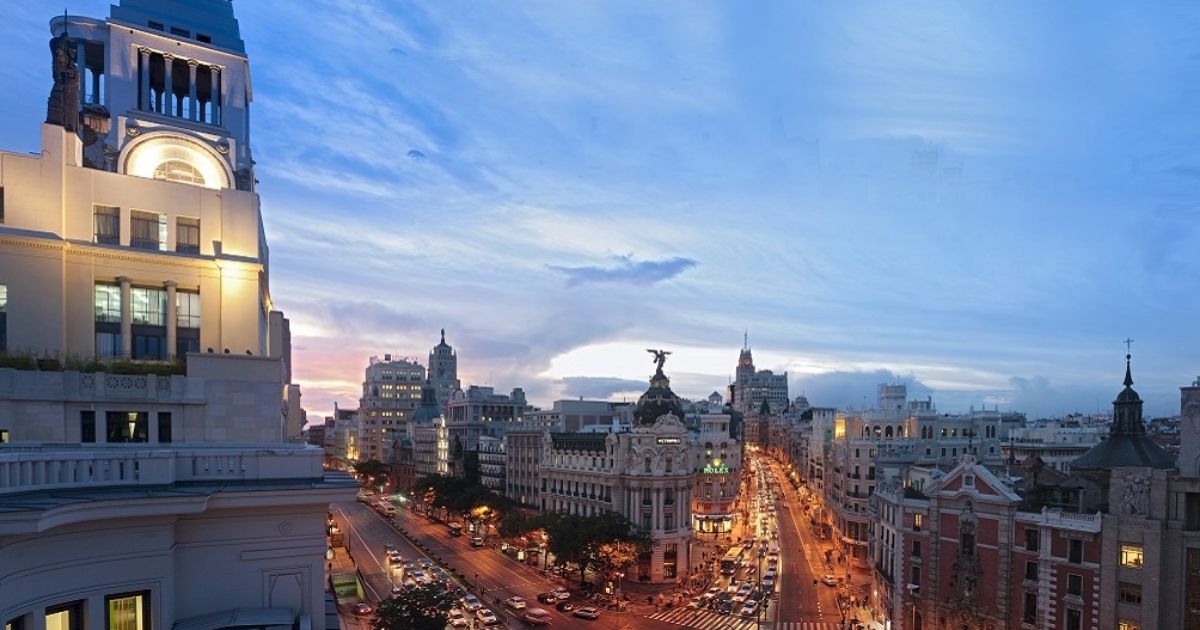
Madrid, the best destination 2026, sounds like a tourism slogan. But the way this title was awarded matters. European Best Destinations says the result came from an online vote by travellers worldwide, with over 1.3 million votes in total and 127,438 votes for Madrid. Spain’s capital finished ahead of destinations including Nicosia, the Štajerska region, Verona, and Paris.
It’s easy to roll your eyes at rankings. Yet this one offers a useful lens: not “what’s prettiest on Instagram”, but what still feels like a proper, grown-up city break in Europe — walkable, culture-heavy, and energetic without being a theme park.
The real story isn’t Madrid “winning” — it’s Madrid’s timing
Madrid has always had museums, boulevards and big squares. What’s changed is the way the city now lures international visitors.
EBD frames Madrid as a place where culture, lifestyle and food converge with an unusually high quality-of-life feel for a capital. Euronews also points to the broader ranking pattern: Madrid tops the list, while Italy dominates many of the other top positions — suggesting travellers are rewarding cities that feel “lived-in”, not just “visited”.
And Madrid’s own city press office has been quick to underline the “international” nature of the voting, pitching the award as validation of the capital’s global pull.
If you only do the classics, you’ll miss what people are voting for
Yes, you can do the Golden Triangle of Art and tick off the Prado area in a morning. But what makes Madrid feel compelling is the everyday fabric around the monuments.
The win is arguably about neighbourhood energy: streets that still function as local places, not just visitor corridors. That’s where Madrid outperforms plenty of rivals — especially for repeat visitors who want a city that rewards wandering.
A smarter way to plan a weekend in 2026
Instead of building a trip around “big sights”, build it around three anchors:
Start with one museum or palace block.
Then one long, slow neighbourhood walk.
Finish each day with a food plan that isn’t fine-dining dependent.
It keeps the city from feeling like a checklist — and it’s closer to what people actually love about Madrid.
The park factor: why Retiro still matters
For city-breakers, green space is no longer a “nice extra”. It’s become part of why destinations win. Madrid has the rare advantage of a major central park that genuinely resets the pace.
Retiro is where you see the city breathe: runners, families, rowboats, street musicians, people doing nothing in the sun. It’s the antidote to museum fatigue, and it makes Madrid feel less frantic than other capitals.
Food isn’t an attraction in Madrid — it’s the infrastructure
Tourism rankings often lean on “gastronomy” as a buzzword. In Madrid, it’s more basic than that: eating and drinking are the city’s social system.
The point is not to chase the hardest reservation. It’s to understand how the city eats: markets, bars that specialise in one thing, and neighbourhood spots that are busy because locals keep going back. Even EBD’s own copy leans heavily on Madrid’s food identity as part of the experience.
The crowd question: will “best destination” make Madrid worse?
Awards can bring a surge. They also concentrate visitors into the same places: Sol, Gran Vía, Plaza Mayor, and the museum core.
If Madrid does see a 2026 bump, the best advice is simple: spread out. Madrid is at its best just beyond the obvious centre, where the city is still being itself. A title like this doesn’t have to ruin the experience — unless visitors all do the same route at the same time.