 Lorraine Williamson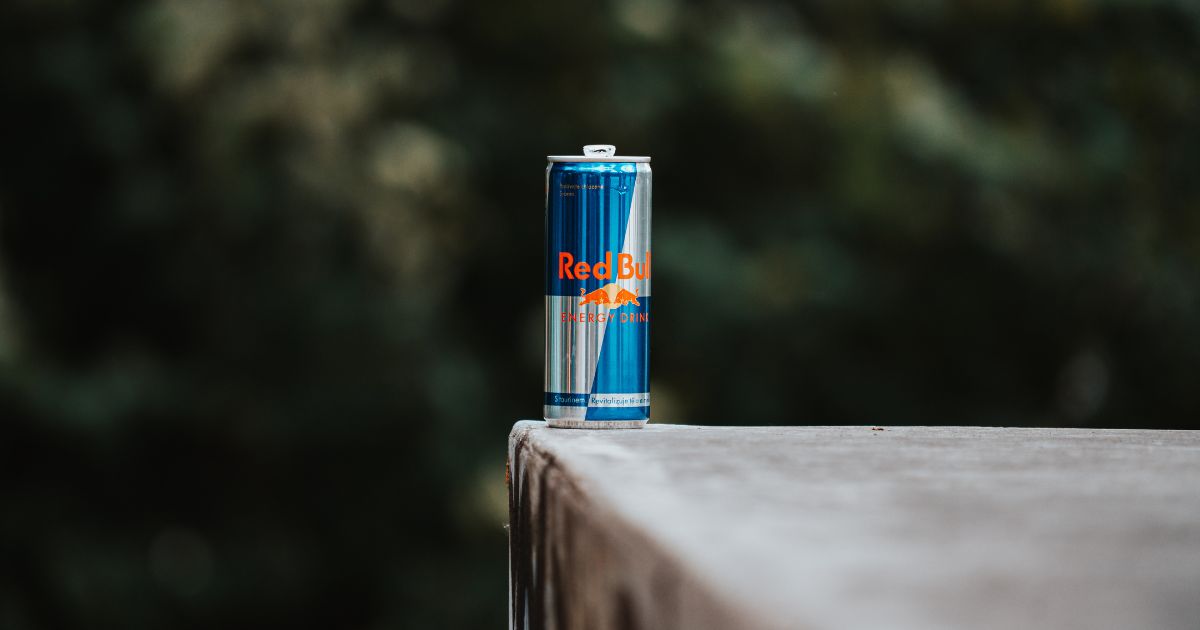
The Galicia energy drink ban is about to change what teens can buy at the till, and it’s already causing confusion beyond the region. Many people have heard it as an “A Coruña rule”. In reality, A Coruña is simply one province caught by a Galicia-wide law — and the key date is 7 March 2026.
That matters for families, yes. It also matters for retailers, tourist towns, vending operators and anyone who assumes Spain has a single national rule.
What the Galicia law actually does
The measure sits inside Ley 6/2025 (23 December), published in the Diario Oficial de Galicia on 7 January 2026. It treats energy drinks more like alcohol in day-to-day restrictions.
Under the law in Galicia:
Selling or supplying energy drinks to minors is prohibited. Shops are expected to check official ID unless the age is obvious.
Minors are also barred from consuming, carrying, possessing or transporting energy drinks, with a limited exception when transport/possession is for work.
Certain locations face tighter rules, including education settings and events aimed at minors.
Retailers must display signage and, in shops where consumption isn’t allowed, energy drinks should be placed in clearly separated spaces and kept apart from soft drinks.
The Xunta says the law enters into force two months after publication, which points to 7 March 2026.
So… is this now “law in Spain”?
Not in the way most people mean it.
There is no single Spain-wide age ban that stops under-18s buying energy drinks everywhere, in every setting. Instead, Spain is moving through a mix of regional laws and targeted national rules.
One example already in force nationally: a Royal Decree published in the BOE in April 2025 bans the sale in educational centres of packaged products with caffeine above 15 mg/100 ml — a threshold that captures typical energy drinks (which often sit well above that level).
So the national picture is narrower. It focuses on where products are sold (such as schools), rather than imposing one age limit across all shops in Spain.
Why this is happening: caffeine, sleep, and the “normalisation” problem
Spain’s food safety agency AESAN has been blunt for years: energy drinks are not recommended for children and adolescents, and high caffeine intakes can disrupt sleep and trigger other adverse effects.
That health argument is now being translated into law in Galicia. The political calculation is simple too: a rule that once looked heavy-handed can become easier to sell when parents and schools describe energy drinks as an everyday fixture in teenage life — bought after class, downed before sport, and mixed into late-night routines.
Asturias is heading for a different age cut-off
Galicia is not the only region tightening the rules. Asturias has been progressing legislation that would prohibit the sale/supply (and consumption) of energy drinks to under-16s, with extra emphasis on vending machines and age checks.
That leaves Spain heading towards something messy: a country where a 17-year-old could be blocked in one region, but not the next, while schools across the country face their own nationwide restrictions.
Practical implications for everyday life
If you live in Galicia — or you’re travelling through it — the most immediate changes will be ordinary and visible:
More age checks at convenience stores and supermarkets.
Clearer signage at tills and on shelves.
Less ambiguity around “I’m buying it for someone else.” The law explicitly targets adults who purchase energy drinks for minors.
For families, the bigger shift may be social rather than legal. Once a product becomes “age-controlled”, it often stops being treated as a harmless soft drink and starts being seen for what it is: a caffeine-heavy stimulant with real effects.
The bigger story: Spain may end up with a patchwork
The most likely outcome, at least in the short term, is not one clean national rule — but regional crackdowns plus specific national restrictions in places like schools.
Galicia has set a precedent. Asturias is pushing its own model. Other regions will watch what happens at checkouts, in sports settings, and around enforcement.
Where this goes next in Spain
If Galicia’s approach holds — and if other regions follow — Spain could move towards a de facto national standard without ever passing a single headline “ban”. The question is whether the government eventually chooses to tidy it up into one rule, or leaves families and retailers navigating a map of different limits.