 Lorraine Williamson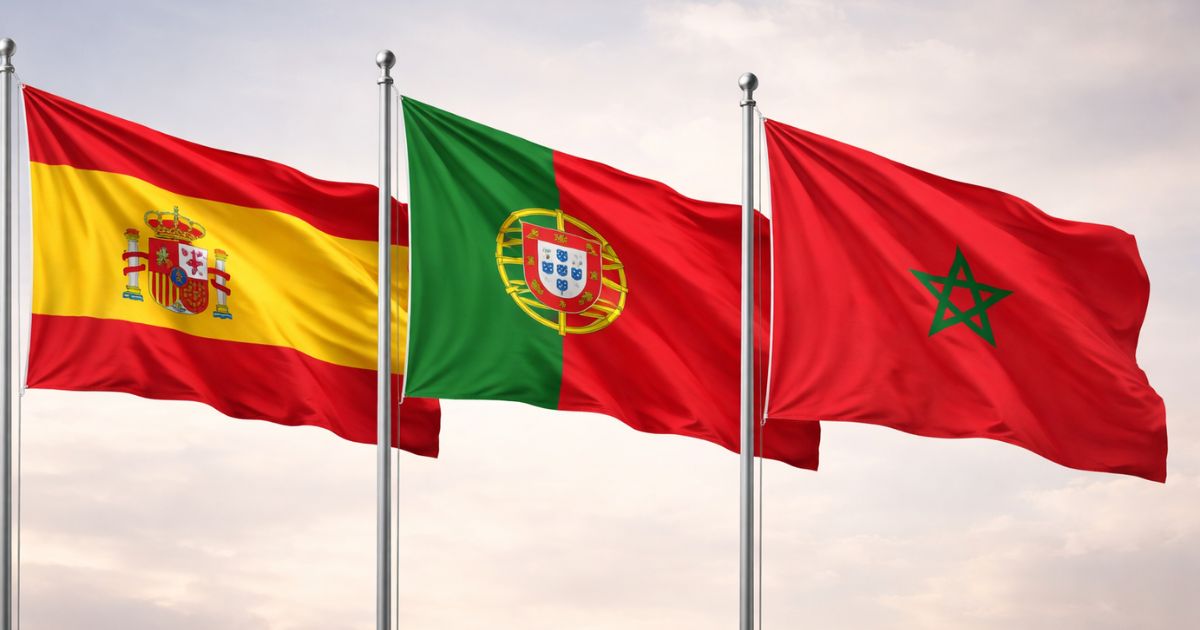
Spain will host the final of the 2030 World Cup final Spain bid, according to Rafael Louzán, president of the Royal Spanish Football Federation (RFEF), who says the tournament’s decisive match will be played on Spanish soil — even though FIFA has not publicly confirmed any final venue.
Speaking at an event in Madrid on Monday, Louzán told reporters the centenary World Cup’s biggest night is heading to Spain, without naming a city or stadium. The claim immediately reopened a question that remains officially unanswered: where will football’s most-watched match actually be staged?
What Louzán said — and what’s still not confirmed
Multiple Spanish and international outlets reported Louzán’s remarks after his appearance at the Madrid Sports Press Association gala. His headline message was blunt: the final will be in Spain.
But there’s a crucial caveat. FIFA has confirmed the host countries for 2030 — Spain, Portugal, and Morocco, with three centenary matches in South America — yet it has not announced the final venue or the full match allocation across host nations.
In other words, Spain is officially a host. The final being in Spain is, for now, a federation president’s assertion rather than a formal FIFA decision.
Why the final matters so much — and why it’s politically sensitive
Finals are not just sporting fixtures. They are global broadcasts, diplomatic showcases, and financial windfalls wrapped into one. For the 2030 tournament — staged across three continents — the symbolism is amplified by the centenary angle and the unprecedented co-hosting model.
That makes the final a prestigious prize. Morocco, which is investing heavily in stadium and transport upgrades, is widely expected to push hard for the showcase match as part of its broader World Cup ambition.
Spain, meanwhile, has recent mega-event experience, major broadcast infrastructure, and several stadiums capable of meeting FIFA’s top-tier demands — at least on paper.
The stadium question: Spain has options, but no official pick
Louzán did not specify which Spanish venue would host the final. That omission matters because Spain’s candidate list is large, and the “final-ready” shortlist is typically much smaller — usually limited to the biggest, newest, or most extensively renovated arenas.
What is confirmed is that the RFEF has previously outlined Spain’s proposed venues and sub-venues within the wider 2030 plan.
Until FIFA confirms match allocations, any named “final stadium” remains speculation — and Spain’s cities know it.
What happens next: FIFA’s timeline, and what to watch for
FIFA’s host appointment is done. The operational detail — which country gets which matches, and where the final lands — tends to emerge through staged announcements tied to planning milestones, infrastructure deadlines, and commercial negotiations.
If Louzán’s claim is correct, the next signals are likely to be:
A FIFA statement or technical update that references match allocation principles (without necessarily naming the final venue immediately).
Formal coordination documents between FIFA and the three primary host federations as planning accelerates towards 2030.
For Spain, the subtext is clear: this is a high-stakes push to lock in the tournament’s centre of gravity — and to ensure the centenary finale is part of it.
Key facts: 2030 World Cup hosts
FIFA has appointed Spain, Portugal, and Morocco as hosts for the 2030 World Cup, with Argentina, Paraguay, and Uruguay each staging one centenary match.