 Lorraine Williamson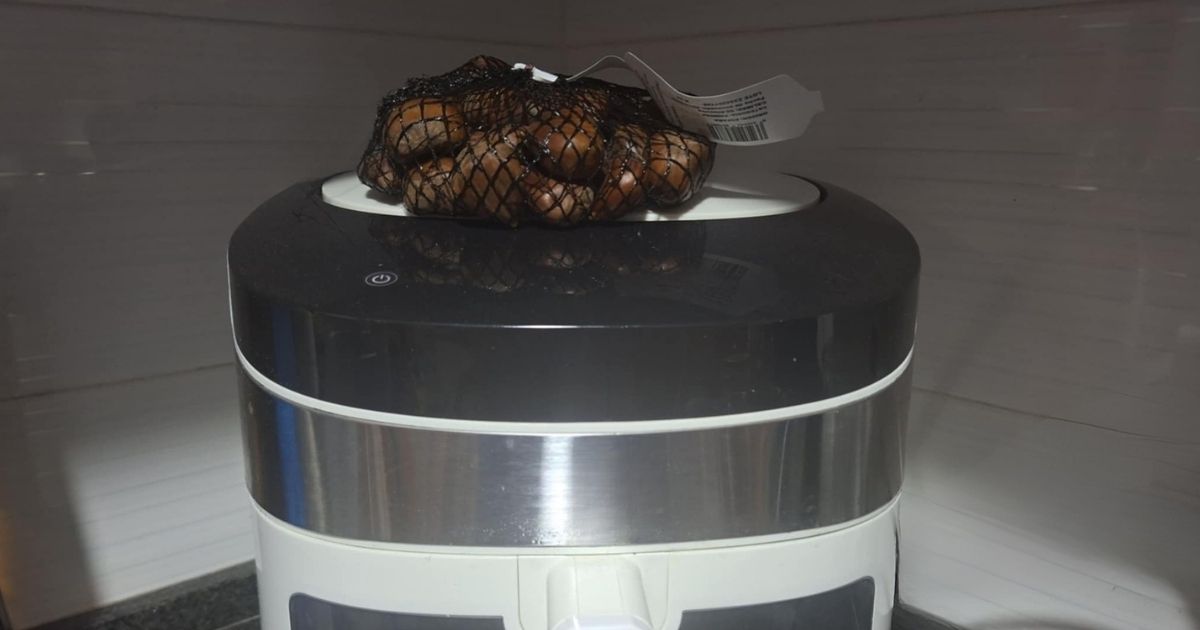
Winter settles gently across Spain. The evenings stretch out, cool and unhurried, with people drifting through plazas wrapped in scarves and drawn towards the glow of street corners. That’s where the season’s trademark scent rises through the air: Spanish winter roasted chestnuts, warming the hands of passers-by and signalling that the colder months have truly arrived.
Chestnut sellers set up stalls at the first hint of December chill. Steel drums turn slowly over charcoal, sending the scent of sweet, smoky perfume along the pavements. Vendors work with practised ease, scooping the hot chestnuts into small cones of recycled paper. The shells crack gently as they cook, releasing that soft caramel aroma that lingers long after you’ve walked away.
It’s a tradition far older than Christmas markets. In cities like Valencia, Madrid and Bilbao, families have run these stands for generations. Regular customers return to the same vendor each year, treating the first cone of chestnuts almost like a seasonal milestone.
The atmosphere is unmistakable. People queue beneath the lights, rubbing their hands together against the cold. Couples share cones as they wander home. Children hover near the heat of the drums, watching the shells split open. The warm nuts soften the edge of the night, creating a small oasis of comfort in the middle of the city.
Buying chestnuts for home
Although there is nothing to compare with the atmosphere of buying roast chestnuts from the street, supermarkets across Spain pile their seasonal chestnuts high from October onwards. They’re inexpensive, easy to store and perfect for recreating that street-side feeling in your own kitchen.
Before roasting, always score each chestnut. A small cross or slit on the curved side allows steam to escape. Without it, they can pop dramatically.
Some soak chestnuts in water before roasting. It’s optional, but a 10–20 minute soak softens the shells and keeps the nuts tender, especially when using slower cooking methods like the oven or hob.
How to roast chestnuts at home
Air fryer
This method has become a favourite for its speed.
-
Preheat to 180ºC.
-
Place the scored chestnuts in a single layer.
-
Cook for 10–15 minutes, shaking the basket halfway through. No need to soak them first — they stay moist thanks to the short cooking time.
On the hob
A heavy pan, especially cast iron, gives an almost street-stand flavour.
-
Heat the pan on medium.
-
Add the chestnuts without oil, cover, and shake every few minutes.
-
Roast for 15–20 minutes. A brief soak beforehand keeps them softer and prevents the shells charring too quickly.
Oven roasting
Ideal for large batches and very simple.
-
Preheat the oven to 200ºC.
-
Spread the chestnuts on a baking tray.
-
Roast for 20–25 minutes. A short soak helps here, producing a creamier texture and making the shells easier to peel.
Over a fire or barbecue
This is the closest you’ll get to the traditional Spanish street flavour. Place the chestnuts in a perforated pan or grill basket and roast over glowing embers. A soak beforehand protects the shells from burning and encourages even cooking. The smoke lifts the sweetness of the chestnut, creating that unmistakable winter aroma.
Top 15 traditional Spanish winter foods
A tradition that endures
Chestnuts once played a vital role in rural Spanish diets, particularly in Galicia, Asturias and the mountains of Catalonia. Festivals like Magosto and Castanyada still honour that heritage, bringing communities together around open fires in the heart of autumn and early winter.
Today, the appeal lies in the simplicity: warming your hands on a paper cone as you walk home; hearing the soft crack of the shells; catching that drift of woodsmoke between the city’s lights.
A little warmth for cold evenings
Whether picked up from a vendor or roasted at home, Spanish winter roasted chestnuts capture the small comforts of the colder months. They turn ordinary nights into something softer, sweeter and unmistakably seasonal — a reminder that some traditions endure because they make winter feel brighter.