 Lorraine Williamson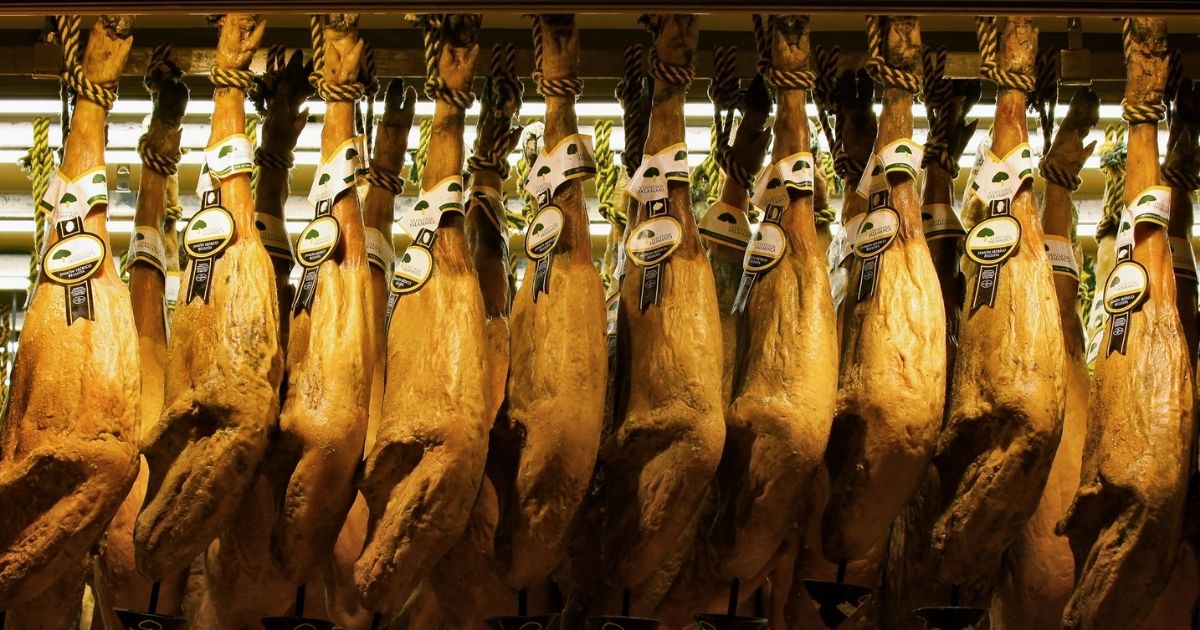
By the time December arrives in Spain, cured legs of ham are everywhere. Supermarkets stack them high. Delicatessens showcase them like jewellery. Family conversations inevitably turn to one question: Which jamón are we buying this year?
Jamón is more than food during the festive season. It is a marker of celebration, generosity and tradition. Many households upgrade from everyday serrano to a more mature or prestigious ham for Christmas, New Year and Epiphany. Yet choosing — and carving — a good jamón is an art that goes far beyond price alone.
From mountain survival food to national symbol
Spain’s relationship with cured ham began out of necessity. In the cool, dry sierras, salting and air-drying pork legs allowed mountain communities to preserve meat through harsh winters. Hams hung from beams, slowly transforming over months and years into something deeply flavoured and long-lasting.
Over time, jamón became central to winter slaughter festivals, religious holidays and family celebrations. The act of carving — often done communally — turned preservation into performance. Today, the sight of a whole jamón being sliced at weddings, parties, or Christmas gatherings still carries that sense of shared abundance.
Why some hams cost €50 — and others €500
The wide price range of jamón reflects fundamental differences in breed, diet, curing time and origin. These factors define both flavour and prestige.
Serrano or ibérico?
Most everyday Spanish ham is jamón serrano, produced from white pigs fed on standard farm diets. It is reliable, mild and affordable, making it a year-round staple.
At the other end of the scale sits jamón ibérico, made from Spain’s native Iberian pig. This breed naturally develops intramuscular fat, giving the meat its distinctive marbling and melt-in-the-mouth texture.
The most prized category is ibérico de bellota. These pigs roam freely in oak woodland known as the dehesa, feeding on acorns during the autumn montanera season. Exercise, diet and genetics combine to create extraordinary depth of flavour — and a price tag to match.
Time matters: curing is everything
Curing time plays a crucial role. Serrano hams are typically aged for 9 to 15 months, producing a clean, approachable taste.
Ibérico hams, by contrast, mature for 24 to 36 months, sometimes longer. Extended aging deepens complexity, softens texture and develops aromas that simply cannot be rushed. In jamón, patience is flavour.
Protected origins and regional character
Like wine, Spain’s best hams are protected by Denomination of Origin (D.O.P.) labels. These regulate breed, feeding, curing conditions and minimum aging times.
Among the most respected regions:
-
Jabugo (Huelva) – bold, aromatic hams shaped by humid mountain air
-
Guijuelo (Salamanca) – elegant, softly flavoured hams cured in cold, dry conditions
-
Dehesa de Extremadura – rich bellota hams from vast oak forests
For consumers, a D.O.P. seal offers reassurance of authenticity and tradition.
Why carving matters as much as buying
Even the finest ham can be ruined by poor carving. Thin, even slices allow fat to soften and release aroma. Thick cuts mute flavour and toughen texture.
That is why tastings and celebrations often feature a trained cortador de jamón. Carving requires knowledge of the leg’s structure, a long, flexible knife, and time. It is craftsmanship, not speed.
Where should you start carving?
Ask ten experts, and you may get two answers.
Some begin with the babilla, the leaner side, as it dries faster once exposed. Others start with the maza, the juiciest section, letting its fat protect the rest of the ham as carving continues.
Both methods work. What matters is understanding how each part behaves.
A quick guide to the main sections
-
Maza – the prized centre. Juicy, aromatic, richly marbled
-
Babilla – leaner and firmer, with a more intense bite
-
Contra – balanced texture and flavour, slightly drier
-
Punta – intensely flavoured end, ideal for tapas cubes
-
Jarrete – fibrous but deeply savoury, loved by purists
-
Codillo – aromatic and fatty, perfect for warm dishes
Using every part — the Spanish way
In Spanish homes, nothing is wasted. Firmer cuts become tapas or cooking cubes. Bones flavour soups and stews long after the last slice is eaten. Jamón is not just for show; it is practical, economical and deeply ingrained in everyday cooking.
A note on African swine fever
This autumn, African swine fever was detected in wild boar in parts of Catalonia, leading to preventive culls. The disease poses no risk to humans and does not affect the safety of cured ham.
Spain has tightened controls, while some export markets have introduced temporary restrictions. For consumers, availability remains stable, although producers warn that prolonged disruptions could eventually affect prices.
Why jamón still defines Christmas in Spain
Long after decorations come down, jamón lingers — in broths, croquettes and shared memories. It remains one of the few foods that unites Spain’s rural past with its modern festive table.
At Christmas, jamón is not just eaten; it is savoured. It is shared, discussed, admired — and slowly carved, slice by slice.
Source: 20 Minutos