 Lorraine Williamson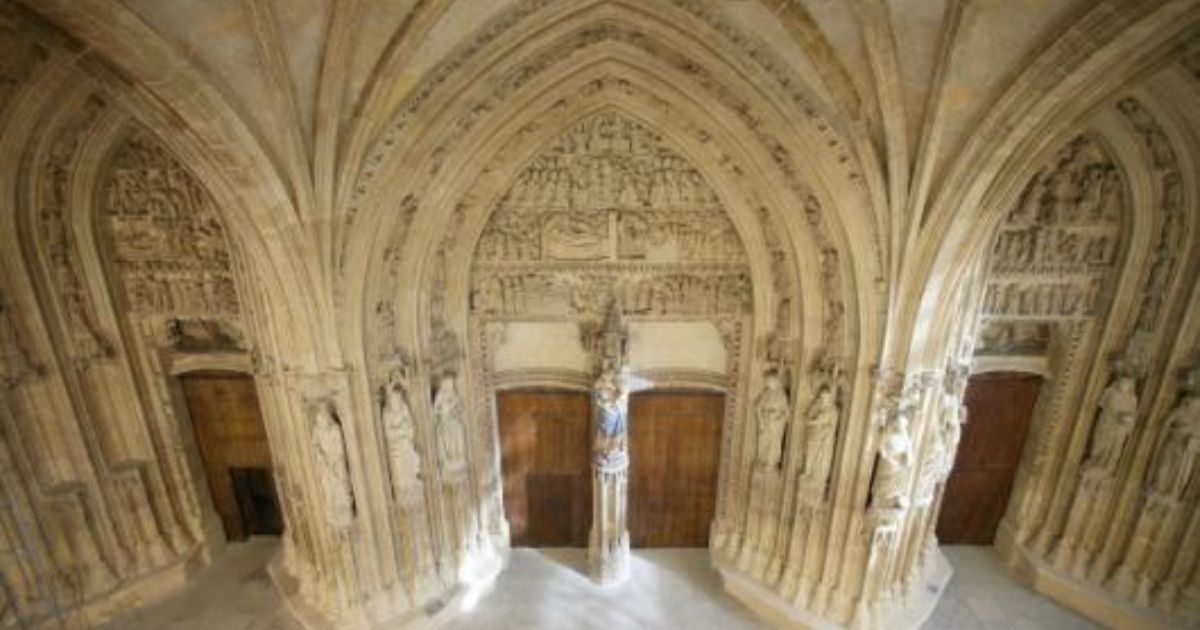
If you’re craving a Spain that feels quieter, older, and oddly restorative, one small hilltop village is suddenly having a moment. Several Spanish outlets report that National Geographic has singled out Laguardia, in Álava’s Rioja Alavesa, as a standout place to visit in January 2026—not for a blockbuster checklist, but for the simple pleasure of slowing down.
Laguardia’s charm is immediate. You park outside the walls, walk in on foot, and the tone changes. No traffic. No rushing. Just stone streets, winter light, and vineyard views that stretch towards the Sierra de Cantabria.
A village designed for walking, not driving
The historic centre is compact and easy to navigate, with narrow lanes that open into small squares and lookout points over the vines. In January, that car-free calm feels even more pronounced. There are fewer day-trippers. Fewer tour groups. More silence.
And yet it doesn’t feel shut down. It feels rested. The kind of place where a short walk becomes an afternoon, because you keep finding another view, another doorway, another corner that makes you stop.
The walls tell you what Laguardia once was
Laguardia’s medieval footprint isn’t a marketing story—it’s built into the place. The town was founded with defence in mind, and the walled outline still shapes how you move through it today. Álava’s tourism office notes its strategic origins and long historical role in the region.
That history is part of the winter appeal. There’s something about a fortified village in the cold months: the sense of shelter, of enclosure, of time held in place.
The church doorway that stops people mid-step
At the centre of town sits the Church of Santa María de los Reyes, known for its remarkable polychrome portico. This vivid, painted entrance feels startlingly alive against the winter stone. Spanish travel coverage repeatedly flags it as one of the village’s defining sights.
Nearby, the Torre Abacial rises like a watchful marker of the village’s defensive past. The local tourism site describes it as a tower-castle that once reinforced the walls.
What’s under your feet is the real surprise
The most distinctive Laguardia experience isn’t above ground at all. Beneath the streets is a lattice of underground wine cellars, carved and used over generations by local families.
This is Rioja Alavesa, so wine is never a side note. But in Laguardia, it becomes architecture—hidden rooms, tunnels, and cool spaces that helped shape daily life. Many cellars can be visited, often paired with tastings that make winter travel feel like the correct decision.
Why January works so well here
Rioja Alavesa in January is stripped back. Vines are dormant. The palette turns muted. The landscapes feel wide and open, and the light can be soft and cinematic.
It also suits the way most people actually want to travel after Christmas: slower, cheaper, and with fewer crowds. Instead of racing between landmarks, the day can be as simple as a morning walk, a long lunch, and a cellar visit that turns into conversation.
If you’re planning a winter break, here’s how to do it well
Laguardia is well placed for a short escape.
-
Pair it with nearby bases like Logroño or Vitoria-Gasteiz, then drive in for the day (parking outside the walls keeps the centre calm).
-
Book cellar visits ahead of time if you’re travelling on a weekend. Winter is quieter, but guided tastings still run on set schedules.
-
Dress for the cold. This is inland northern Spain, and January can bite—especially after sunset.
-
Let the village set the pace. The best moments here are unplanned.
Laguardia won’t give you a spectacle. It offers something rarer: the feeling that you’ve stepped out of the noise for a day, and Spain has quietly widened again.
Sources: Araba Tourismo, Laguardia Tourism, National Geographic