 Lorraine Williamson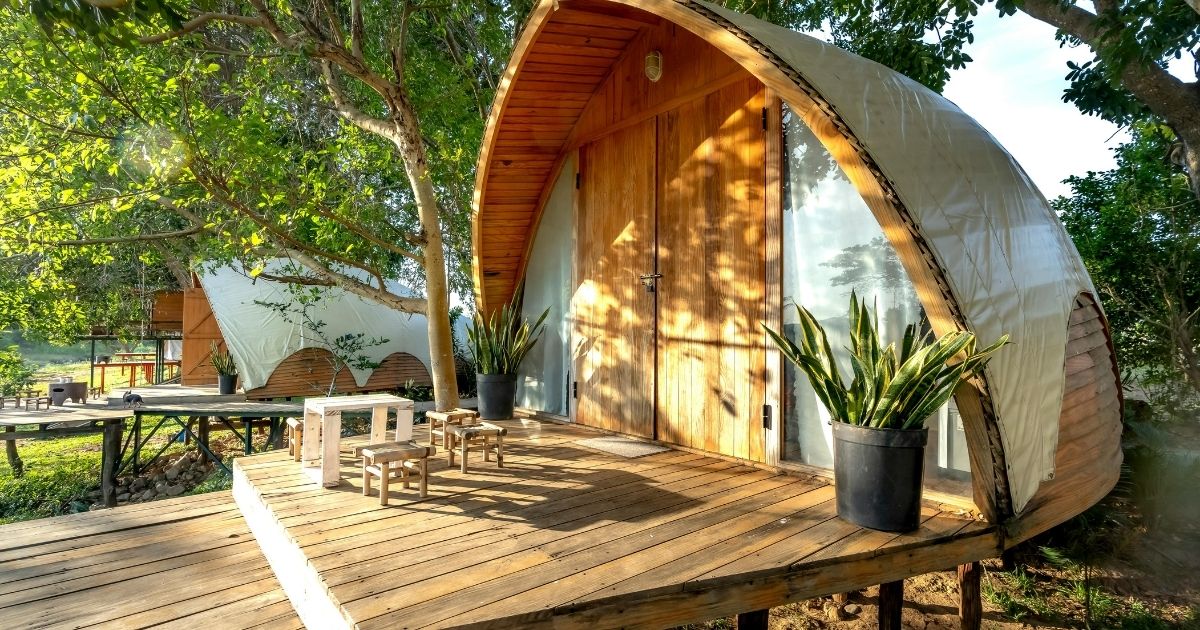
Camping in Spain is changing fast. What was once seen mainly as a simple summer break is becoming a more flexible, more comfortable, and increasingly year-round way to travel, especially in inland natural areas and across the greener north of the country. Fresh industry reporting suggests the shift is no passing fad but part of a wider change in what travellers now want from a holiday: more nature, more space, and far more comfort than the old campsite stereotype ever promised.
That change is also showing up in the data. Spain’s National Statistics Institute said last week that overnight stays in campsites rose by 3.7% in January 2026 compared with January 2025, while full-year 2025 figures showed campings accounted for 34.0% of all non-hotel tourist overnight stays in Spain. In other words, camping is not just surviving in Spain’s tourism mix. It is becoming a more important part of it.
From basic pitches to comfort-led escapes
The biggest reason for that growth is simple: campsites are no longer selling only a patch of ground and a shared shower block. Operators are investing in bungalows, glamping units and more polished, design-led accommodation aimed at people who want to be close to nature without giving up comfort. According to the Europa Press report, companies in the sector say travellers are increasingly looking for experiences rather than just a cheap stay, and that has helped many sites remain attractive well beyond July and August.
That matters because it broadens the audience. Modern camping in Spain is no longer aimed only at families with caravans or seasoned outdoor enthusiasts. It now also appeals to couples seeking a rural weekend, groups of friends after active escapes, and travellers who like the look of nature tourism but still want proper beds, attractive surroundings and on-site services.
Northern Spain is gaining ground
The places benefiting most are in the north. Regions such as Asturias, Cantabria, Galicia and the Basque Country combine mountain landscapes, Atlantic coastlines and milder summer temperatures, making them increasingly appealing to people looking to avoid the harsher heat found in other parts of Spain. The same report says that in some northern establishments, close to 40% of annual bookings already fall outside July and August, a clear sign that the old summer-only model is weakening.
That trend also fits a wider tourism pattern. As heat becomes a bigger factor in travel decisions, cooler green landscapes are likely to gain more attention, especially among domestic tourists and northern Europeans looking for outdoor holidays without peak-season extremes. Camping in Spain, particularly in the north, is therefore being pulled by both lifestyle preference and climate logic. This last point is an inference based on the pattern in the current reporting and the sector’s growing focus on green and inland destinations.
Why inland nature stays are becoming more attractive
There is another reason the sector is gaining strength: it fits neatly with Spain’s long-term tourism goals. For years, the country has been trying to reduce its dependence on concentrated summer demand and spread visitor numbers more evenly across the calendar and across the map. Campsites in natural inland areas help do both. They draw visitors away from the most saturated coastal hot spots and make it easier to travel in shoulder seasons.
This is especially useful for rural and mountain areas that do not always benefit from the same level of tourism attention as major cities or Mediterranean beach resorts. A campsite that stays busy outside summer supports local bars, restaurants, activity providers and nearby villages for longer. That can turn camping into more than a budget option; it becomes part of a broader rural tourism economy.
Glamping has helped change the image
The word “glamping” may sound like marketing shorthand, but it has played a real role in changing how camping is perceived. For many travellers, especially those who would never consider pitching a tent themselves, glamping has made nature-based stays feel stylish, accessible and far less rustic. That image shift matters because tourism trends are often shaped as much by perception as by price.
Spain’s campsite sector seems to have understood that. The move towards better facilities, added experiences, and year-round appeal is helping turn camping into a genuine alternative to apartments and hotels, not just a cheaper substitute. That is a significant repositioning in a country where mainstream tourism has long been dominated by beach hotels, city breaks and package travel.
Luxury glamping and sustainable tourism on the Costa de la Luz
A travel trend that looks built to last
The pandemic years accelerated demand for open-air travel across Europe, but the current data suggests that camping in Spain is no longer riding only on that temporary wave. Occupancy outside peak summer is improving, operators are investing more confidently, and the offer is adapting to new expectations around comfort, flexibility and nature-based experiences.
That does not mean camping will replace hotels, nor does it need to. Its real significance is that it is becoming one of the clearest examples of how Spain’s tourism industry is diversifying. The country is not abandoning sun-and-beach travel, but it is finding new ways to make rural, green and lower-density tourism work harder throughout the year.
Why this matters for travellers in 2026
For holidaymakers, the takeaway is clear: camping in Spain now offers far more range than many people still imagine. It can mean a simple nature break, a family stay in a well-equipped bungalow, or a more polished glamping experience in the mountains or on the green coast. For Spain, it is another sign that tourism growth is increasingly being shaped by changing habits, not just old seasonal routines.
That is why this trend matters beyond the campsites themselves. A tourism model that spreads visitors more evenly, supports inland regions and gives travellers a realistic alternative to crowded peak-summer destinations is likely to become more important, not less, in the years ahead. Camping in Spain is no longer just about summer. It is becoming part of a different way of travelling altogether.