 Lorraine Williamson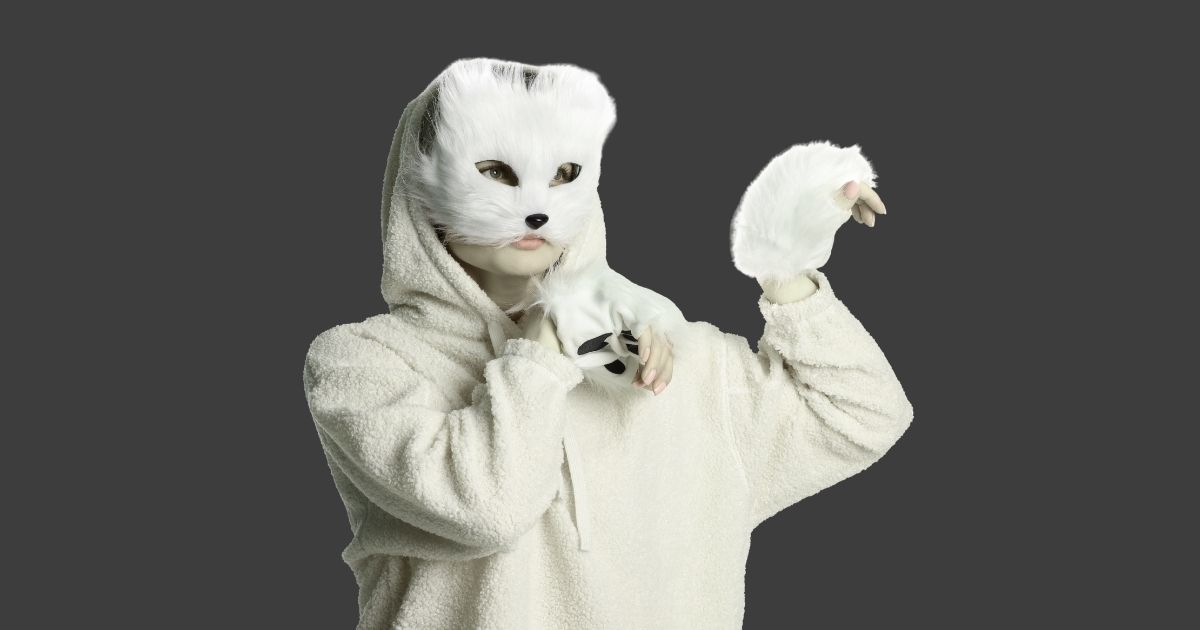
Therian identity in Spain is no longer confined to niche corners of the internet. In recent days, it has spilled into public conversation, driven by viral clips on TikTok and private communities on Discord, where young people describe feeling an intense inner connection to a specific animal — not as a costume, but as part of how they understand themselves.
A long report by El Español says many therians insist they are not “playing a role” or claiming a physical transformation. Instead, they describe an identity that feels emotional, instinctive, sometimes spiritual — and often deeply private.
A word young people use to name an old feeling
The term “therian” comes from the Greek thērion, meaning wild animal, and was adopted in online communities decades ago. What’s changing now is visibility: social platforms make it easier for people to find others with similar experiences, and to pick up language for feelings they may have carried since childhood.
El País has also noted that therian identity has roots in internet forums from the 1990s, but is only now becoming mainstream thanks to short-form video culture and algorithmic discovery.
Not a costume culture — and not the same as “furries”
Therians are often lumped together with the furry community. That’s partly because online videos can look similar from the outside: tails, ears, masks, animal movements. But the two ideas start in different places.
Furry fandom is generally described as a subculture built around anthropomorphic animal characters and creative participation — art, role-play, conventions, and online avatars.
Therians, by contrast, present it as identity: “this is who I am internally,” whether or not they ever wear anything in public. That distinction is central to how Spanish therians explain themselves in El Español’s interviews.
From private Discord servers to real-world meetups
The most telling sign that therian identity is moving beyond screens is that meetups are now being organised openly. Cadena SER reports a therian gathering scheduled in Bilbao’s Plaza Moyúa on Friday, 20 February, framed as an attempt to socialise safely and explain a misunderstood identity.
That shift — from private communities to public space — is often where online subcultures become a wider social story. It also raises practical questions about safety, consent, and how minors are protected when a trend moves fast.
What experts say: identity exploration, plus online risk
El Español includes commentary placing therian identity within a broader pattern: adolescence and early adulthood as a time of experimentation, with social media offering ready-made “identity vocabularies” and instant communities.
It’s also where the risks sit. Public mockery can be relentless. Private groups can be worse — especially when young people are sharing locations, personal details or meeting strangers offline. Even within the community, some voices warn about unsafe group dynamics and the need for boundaries.
The question Spain is really debating
The internet wants a simple verdict: weird or normal, harmless or dangerous, “just a phase” or something deeper. But the real issue is often more ordinary than the headlines suggest.
Many therians describe the same core need: recognition without ridicule, and the freedom to explore identity without being treated as a meme. The wider challenge for Spain — as this trend spreads — will be balancing curiosity with care, and visibility with safeguards.
When a viral identity becomes a real-world responsibility
If therian identity in Spain continues to move from online spaces into meetups and public parks, the focus should shift from outrage to practical protection: safe environments, clear boundaries, and adults taking digital safeguarding seriously — without turning difference into a moral panic.