 Lorraine Williamson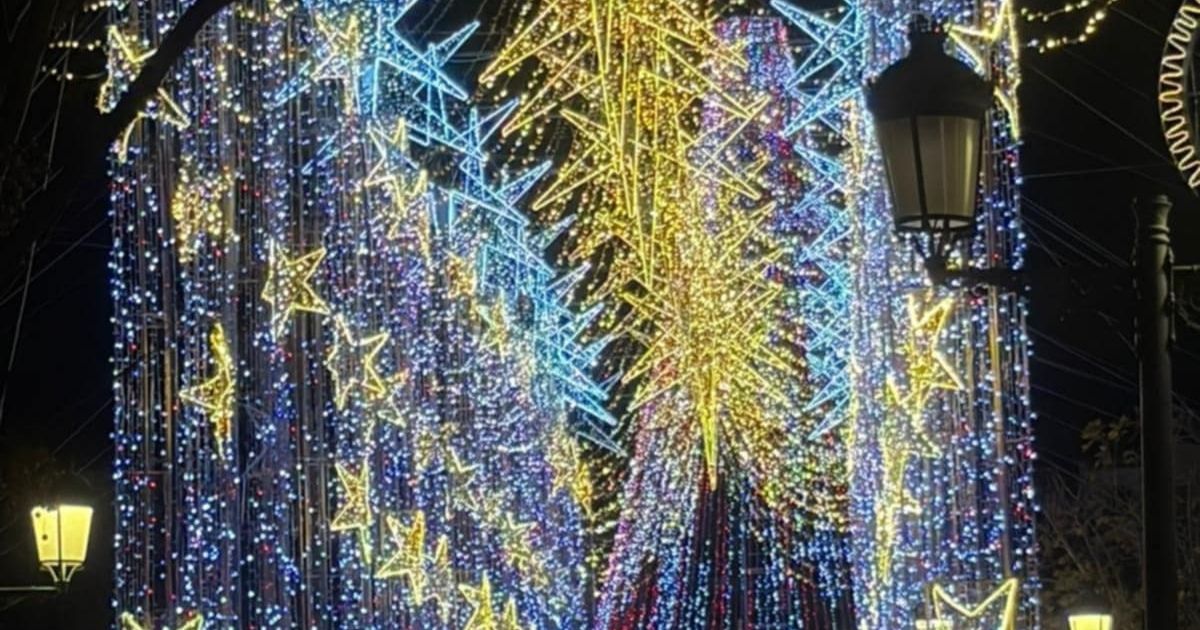
When Spaniards talk about Navidad, they are rarely referring to Christmas Day alone. The festive season stretches from mid-December to early January, encompassing Christmas, New Year and Epiphany. For nearly three weeks, daily life slows, families reunite and long-standing rituals take over streets, homes and public squares.
Rather than building towards a single peak, Spanish Christmas unfolds in phases, each marked by its own traditions, expectations and atmosphere.
El Gordo: when Spain collectively holds its breath
For many households, Christmas truly begins on 22 December with the draw of El Gordo, the world’s largest lottery. Workplaces pause, cafés turn up the television, and families listen as children from Madrid’s Colegio de San Ildefonso sing the winning numbers live.
What makes El Gordo distinctive is not just the scale of the prize, but how it is shared. Tickets are often bought collectively, meaning wins — even small ones — are celebrated together. It sets the tone for a festive season rooted in shared experience rather than individual fortune.
Music, lights and the public build-up
As December progresses, Spanish towns and cities slip into festive mode. Streets are decorated with elaborate light displays, while Christmas markets open in central squares. The scent of roasted chestnuts drifts through the air, and evenings become social again.
In parts of Andalucia, the season is accompanied by zambombas: informal street gatherings where neighbours sing villancicos, clap rhythms and share food and drink. These spontaneous celebrations reflect a key feature of Christmas in Spain — participation matters more than performance.
Nochebuena: where Christmas is truly felt
The emotional centre of Spanish Christmas arrives on 24 December, Nochebuena. Families gather for long evening meals that often last well past midnight.
Menus vary by region, but seafood, roast meats and generous quantities of traditional sweets dominate. Turrón, polvorones and mazapán appear in abundance and remain on tables for days. Gift-giving may happen, but it is not the focus. Moreover, the night is about presence, conversation and continuity.
For many Catholics, the evening ends with La Misa del Gallo, the midnight Mass. Even among those who rarely attend church, it remains a powerful cultural ritual.
Christmas Day, and how it is changing
25 December in Spain is usually calm. Lunch is long and family-centred, with little pressure for formal celebration.
That said, Spain’s diversity is reshaping traditions. In many urban areas and mixed households, children now receive gifts on Christmas Day as well as on Three Kings’ Day. Santa Claus has not replaced older customs, but joined them, reflecting how traditions adapt across Spain’s autonomous communities.
Holy Innocents’ Day: humour breaks the solemnity
On 28 December, Spain marks Día de los Santos Inocentes. Despite its tragic biblical origins, the day has evolved into Spain’s version of April Fools’ Day.
Pranks, jokes and spoof news stories take over, offering a moment of lightness in the middle of the festive season and reminding everyone not to take things too seriously.
New Year’s Eve: grapes, superstition and shared space
If Christmas Eve belongs to the dining table, New Year’s Eve belongs to the street. Across Spain, crowds gather in town squares to welcome the new year together.
At midnight, one grape is eaten with each clock chime — las doce uvas. The tradition, now universal, symbolises good luck for each month ahead. It is rarely executed perfectly, but always enthusiastically.
Alongside the grapes, superstition plays its part. Wearing red underwear is believed to bring love and good fortune. Carrying money at midnight symbolises prosperity, while stepping into the new year with the right foot is said to invite luck.
Three Kings’ Day: where the magic lives
For many children, the most anticipated moment arrives on 5 January, with the Cabalgata de Reyes. Colourful parades fill streets as the Three Wise Men arrive, throwing sweets to excited crowds.
That night, children traditionally leave their shoes by the door, window or terrace so the Kings know where to leave gifts. Water or sweets are often left for the Reyes, and water or hay for the camels. Clean shoes, children are reminded, bring better luck.
Presents are opened on 6 January, followed by roscón de reyes, a ring-shaped cake hiding a figurine and a bean. One brings luck and a paper crown; the other pays for the cake.
Why these Spanish Christmas traditions endure
Spanish Christmas traditions persist because they are shared. Meals are long. Celebrations are public. Even luck is collective.
From lottery tickets split between colleagues to shoes left carefully at the door, the season reflects values of togetherness, patience and continuity. Christmas in Spain does not end abruptly. It fades slowly, only truly finishing once Epiphany has passed and normal life resumes.