 Lorraine Williamson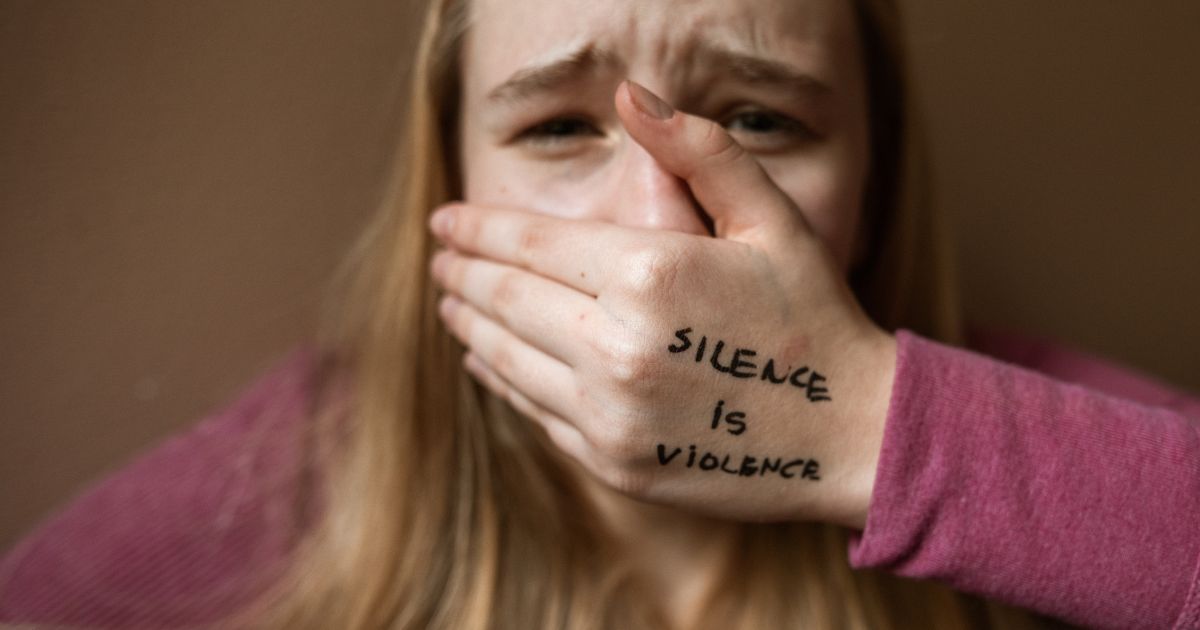
Spain closed 2025 with 46 women killed by a partner or ex-partner, and three children murdered in attacks linked to violence against their mothers. The figure is lower than in recent years. It is also the lowest annual total since Spain began official tracking in 2003.
That sounds like progress. But the details tell a harsher story: in most cases, the state never had a chance to intervene—because the violence was never formally reported.
A “better” headline, and the same structural crisis
Spain’s long-running official count now stands at 1,341 women killed since 2003. Behind that number are families, neighbours, colleagues, and children who grow up with an absence that never stops echoing.
And in 2025, children were not just collateral damage. The Ministry of Equality’s figures record three under-18s killed, with no prior complaints recorded in any of those cases.
Spain´s domestic violence crisis
The most important statistic is the one about silence
The clearest red flag in the 2025 data is not the year-on-year change. It is this: only 10 of the 46 cases involved a prior complaint. In 36 cases (78.3%), there had been no previous report.
That gap matters because it points to the real battleground: the weeks, months, and years before a case reaches a court, a police unit, or a risk-assessment system. It is where fear, financial dependency, isolation, and pressure from family can keep victims quiet—right up until it is too late. El País
Where the risk concentrated in 2025
The data also sketches patterns that should inform prevention:
- Andalucía recorded 14 of the 46 killings, the highest of any region.
- More than four in five victims (82.6%) were living with the alleged perpetrator at the time.
- 41.3% of the women killed were born outside Spain, a figure that often overlaps with extra vulnerability: weaker support networks, language barriers, and precarious work or housing.
The numbers do not explain why each death happened. But they do show where risk tends to cluster—and where policy, policing, and community support need to be sharpest.
When the system was involved, it still didn’t stop the killing
Even when a woman has reached the system, safety is not guaranteed. In 2025, there were four cases with restraining measures in force that were breached, according to the official count.
Spain’s main coordination tool for police monitoring is VioGén, run by the Interior Ministry. In 2025, the government rolled out VioGén 2, billed as an upgrade designed to improve information-sharing and operational response. Tools matter. But tools only work when warning signs are captured early—and acted on quickly. Ministry of the Interior+1
What to do if you’re worried about someone
If you are in Spain and you need help—or you are concerned about a friend, colleague, neighbour, or family member—there are discreet, professional channels:
-
016 (free, 24/7) offers information, legal guidance and immediate psychosocial support.
-
It also operates via WhatsApp (600 000 016), online chat, and email (016-online@igualdad.gob.es).
-
The service is available in 53 languages and does not appear on phone bills, though it is recommended to delete the call from your device’s call log if safety is a concern. violenciagenero.igualdad.gob.es+1
-
If you are a minor, or you’re calling on behalf of one, Fundación ANAR can be reached on 900 20 20 10. violenciagenero.igualdad.gob.es
-
If someone is in immediate danger, call 112.
A “low” year should never be a comfort
Spain’s 2004 law created one of Europe’s most developed frameworks for tackling intimate-partner violence. The tragedy is that the framework still depends on a step many victims cannot safely take: speaking up.
The uncomfortable takeaway from 2025 is that falling numbers do not automatically mean falling risk. The real measure of progress in 2026 will be whether more women can reach safety before violence escalates—and whether the people around them feel able to act, even when it is awkward, even when they’re not sure, even when they fear getting it wrong.
Sources (key links)
-
Ministry of Equality: Women killed by partner/ex-partner (2025 data sheet)
-
Ministry of Equality: Child victims linked to violence against mothers (2025 data sheet)
-
Ministry of Equality: 016 helpline + WhatsApp/chat/email details
-
BOE: Organic Law 1/2004 (gender violence law)
-
Interior Ministry: VioGén 2 overview/launch information
-
El País: national overview of 2025 figures and the reporting gap