 Lorraine Williamson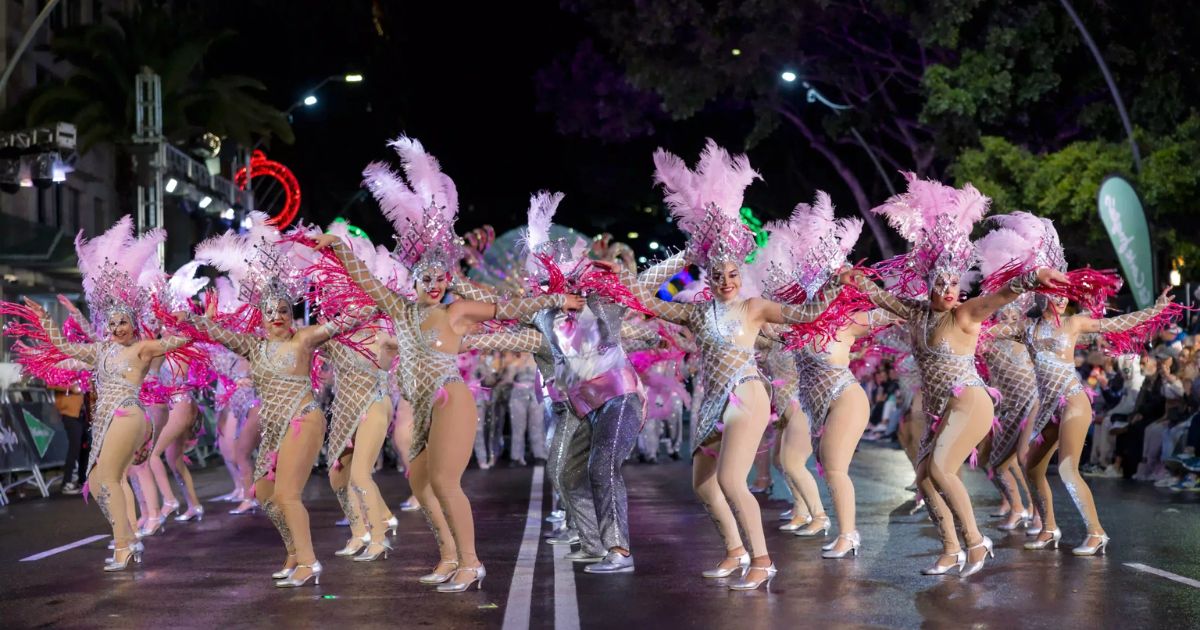
Carnival in Spain does not arrive all at once. It unfolds gradually, region by region, with February marking the true starting point for one of the country’s most expressive traditions. Long before the biggest parades hit the streets, rehearsals, competitions, and local celebrations are already shaping the mood.
For residents and visitors alike, this early phase of carnival offers something special: atmosphere without the crowds.
The Canary Islands lead the way
The Canary Islands are always first out of the blocks. In Las Palmas de Gran Canaria, carnival events begin in early February with galas, costume competitions and themed performances that build momentum towards the main street parades later in the month.
In Santa Cruz de Tenerife, preparation is part of the spectacle. Costume workshops, rehearsals and preview events transform the city weeks before the headline nights. February is when locals start to feel carnival everywhere — in bars, squares and neighbourhood associations.
For many, this is the best time to experience the Canary Islands carnival: colourful, lively and still manageable.
Cádiz: humour, music and sharp satire
On the mainland, Cádiz offers one of Spain’s most distinctive carnival styles. Here, the focus is not spectacle but satire. Singing groups known as chirigotas and comparsas use humour, irony and political commentary to dissect the year’s events.
February is competition season, with performances spilling out of theatres and into the streets. Even without fluent Spanish, visitors quickly grasp the tone: clever, irreverent and deeply local.
Sitges brings carnival to the Catalan coast
Further north, Sitges delivers one of Spain’s most visually striking carnivals. Known for its inclusive and high-energy atmosphere, Sitges combines flamboyant costumes, parades and nightlife with a seaside setting that feels far removed from winter.
Its February events are among the most anticipated on the Catalan calendar and attract visitors from across Spain and beyond.
Smaller towns, local traditions
Beyond the headline destinations, carnival appears in dozens of towns and villages across Spain. Some focus on family-friendly parades. Others revive traditional characters, masks or rituals passed down for generations.
What they share is timing. February is when communities begin to step outside, laugh at themselves and mark the approach of spring.
Why February is the smart moment to go
Carnival peaks later in the season, but February offers clear advantages:
– early events with fewer crowds
– lower accommodation prices
– a more local, less tourist-heavy feel
It is also when carnival feels most authentic — still rooted in neighbourhoods rather than logistics.
A tradition that shows Spain at its most playful
Carnival is not one festival but many, shaped by geography, history and local personality. February is when those differences start to surface, offering a reminder that Spain’s cultural calendar is as diverse as the country itself.
Whether you want satire in Cádiz, colour in the Canary Islands or spectacle in Sitges, the carnival season has already begun.