 Lorraine Williamson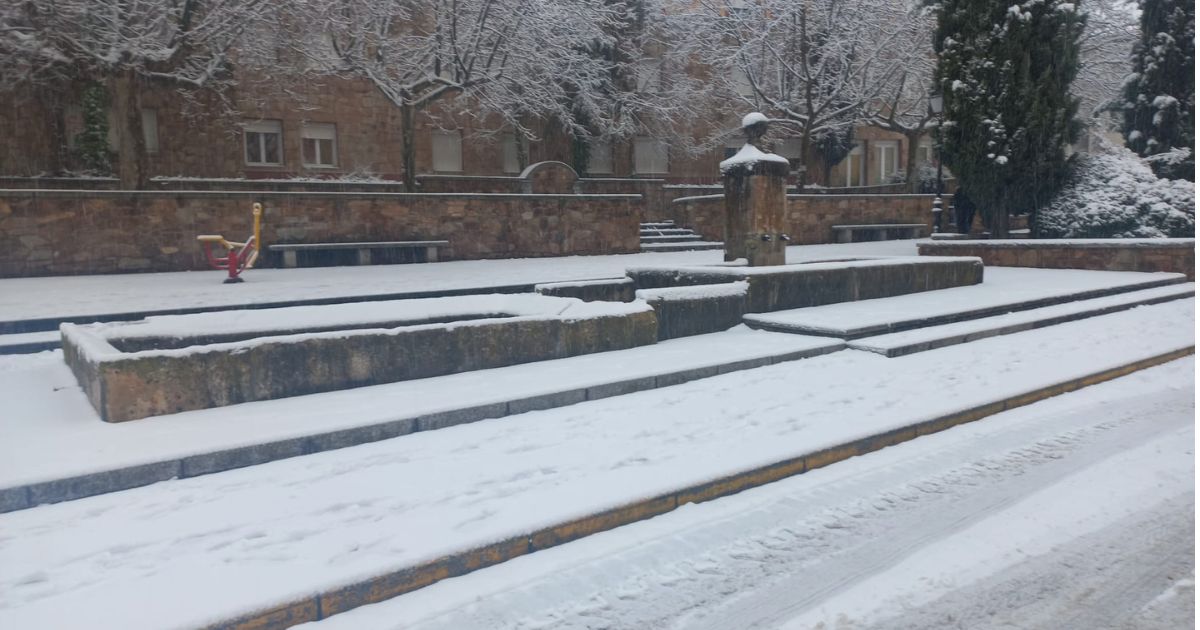
Spain has woken up to a fresh round of widespread weather warnings as Storm Kristin moves across the peninsula, following on from recent days of unsettled conditions linked to Joseph.
Tragedy struck the Costa del Sol on Tuesday, 27 January, when a woman in her early 30s died in Torremolinos after a palm tree was uprooted by powerful gusts of wind and fell onto her on Avenida Palma de Mallorca, officials confirmed. Emergency services, including 112 Andalucía, firefighters and medical teams, rushed to the scene but were unable to save her despite intensive resuscitation efforts. The local council has expressed its “deepest condolences” to the family as the ongoing severe weather continues to pose a serious risk across the region.
The headline risk is wind — with AEMET warnings spanning large parts of the country — but the full mix includes heavy rain in the south-west and parts of Andalucia, snow in northern and central high ground and inland plateaus, and rough seas along much of the coastline.
In the hardest-hit pockets, local authorities are already moving to reduce risk, from school cancellations to park and facility closures.
Where are the highest alerts today?
AEMET’s warning system ranges from yellow to orange and, in the most extreme conditions, red. On Wednesday, 28 January, the most serious warning flagged publicly is a red wind alert in inland Almería, with gusts reported up to 130 km/h in the Almanzora and Los Vélez area.
Beyond that, orange alerts are widespread for wind (with many areas expecting gusts around or above 90 km/h), plus orange coastal warnings in multiple stretches where strong winds are driving large waves.
Rain and snow warnings are also in play, especially where colder air turns showers into snowfall at lower elevations, and where persistent rain hits mountain catchments and river systems.
Storm impacts: schools, parks and public spaces
Because wind is the most immediate danger for falling trees, loose signage and coastal blowback, councils tend to act quickly.
In Algeciras, the town hall ordered the closure of parks, cemeteries and sports facilities on Wednesday due to an AEMET orange wind warning (and additional warnings in the area).
In parts of the Comunitat Valenciana, councils have announced closures of open public spaces such as parks and outdoor facilities as the orange wind alert runs through the day, with gusts expected to exceed 90 km/h in exposed zones.
There are also localised school suspensions, particularly in areas under the sharpest warnings. Ceuta’s education closures were announced in response to the orange alert for the day.
In Andalucia’s Campo de Gibraltar area, the Junta reported class suspensions in several localities, including Jimena, Tesorillo, Estación de San Roque and Taraguilla.
Travel risk: roads and coastal routes
Severe wind, snow and spray can turn routine journeys into long delays, especially on higher routes and exposed viaducts.
Spain’s traffic authority and national reporting on the storm effects flagged major disruption on key roads, including AP-6 (Madrid–Segovia), A-52 (Zamora/Ourense) and AP-66 (Asturias) during the event.
If you must travel, check live conditions before setting off, and treat “open” roads with caution: gusts can still bring sudden crosswinds, fallen branches or localised snow/ice.
What people should do today: practical safety advice
Most injuries in windstorms come from ordinary moments: walking under trees, stepping onto a seafront promenade to “have a look”, or parking beside a palm or scaffold.
If you’re in an orange or red area:
Stay away from beaches, breakwaters and coastal paths. Waves and spray can knock you off your feet without warning.
Avoid parking under trees, palms, power lines, scaffolding or old walls.
Secure balconies and terraces. Bring in plant pots, chairs and anything lightweight that can become airborne.
Charge your phone and keep a torch handy in case of short power cuts.
If driving, slow down, keep both hands on the wheel, and be ready for sudden gusts when passing gaps, bridges and lorries.
If heavy rain is part of your local warning:
Don’t attempt to cross flooded roads or “just shallow” water.
Avoid riverbeds (ramblas) and low-lying crossings even if it isn’t raining at that moment. Conditions can change upstream.
If snow is forecast where you are:
Carry chains if you’re heading into mountain areas and expect rapid changes in visibility.
Delay non-essential trips. The safest snow drive is the one you don’t do.

@FStan
How long will the worst conditions last?
The most disruptive spell is centred on Wednesday 28 January, with conditions expected to ease as the system moves on — though some areas may stay unsettled into Thursday, depending on local geography and exposure. Protección Civil has urged people to keep checking official updates because small shifts in the storm track can change the risk quickly.
Sources: Protección Civil, Ayuntamiento de Algeciras