 Lorraine Williamson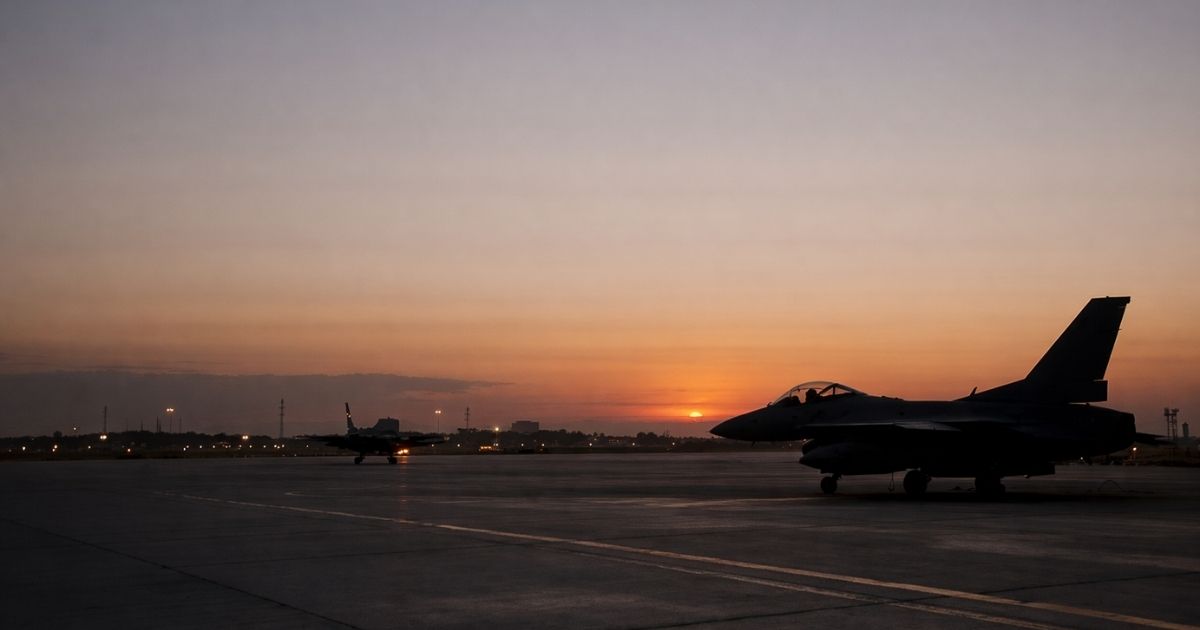
Spain and the UK have taken sharply different positions after Iran’s strikes and the widening regional escalation, with one government drawing a hard line on sovereignty and the other approving limited US access to its bases. For Madrid, the focus is on the US facilities at Rota and Morón. For London, the question is whether “defensive” action can be justified under collective self-defence.
Spain draws a red line on Rota and Morón
Spain’s government has said the jointly operated bases at Rota (Cádiz) and Morón (Seville) cannot be used for attacks on Iran, emphasising that they remain under Spanish sovereignty and must operate within the UN Charter and existing bilateral agreements. Reuters reported that, following Madrid’s position, 15 US aircraft left the bases, with flight-tracking data showing several heading to Germany’s Ramstein Air Base.
The political tone has been openly critical of the US–Israel strikes. The Guardian quoted Prime Minister Pedro Sánchez’s government describing the intervention as “unjustified” and “dangerous”, and urging a return to international law and diplomacy rather than escalation.
The domestic subtext
Sánchez has built a reputation in Europe for taking a more legally cautious, sovereignty-first line on military intervention, and the bases question is unusually sensitive in Spain because it goes straight to how much control Madrid is seen to have over installations on its own territory.
Starmer says yes, but calls it “specific and limited”
In contrast, the UK has approved a US request to use British bases for what it describes as a narrow defensive purpose. In an official statement, Prime Minister Keir Starmer said: “The United States has requested permission to use British bases for that specific and limited defensive purpose. We have decided to accept this request.”
Starmer argues that the legal basis is collective self-defence and the protection of British lives, insisting the UK is not signing up to open-ended strikes. Reuters reported that the UK framed the move around preventing further Iranian missile launches and protecting allies in the Gulf.
Why the Spain–UK split matters now
The contrast sharpens the political debate across Europe. Spain is effectively trying to separate itself from direct operational support for strikes, while the UK is aligning more closely with US military requirements, even as it stresses legal justification and restraint. That divergence could become more visible if Washington seeks broader logistical help from allies or if the conflict spreads further across the region.
What travellers and expats may feel first
For many people, the most immediate impact is not diplomatic language but practical disruption. Airspace closures and airport interruptions across the region have stranded large numbers of passengers, with airlines restarting only limited flights, often aimed at repatriation rather than normal schedules. Reuters reported that UAE carriers have moved to exceptional or limited operations as the situation evolves, and key hubs have faced repeated disruption.
Spain’s foreign ministry has been pushing official channels for Spaniards in the region, reminding travellers that embassies remain operational and that emergency contacts are being updated.
The UK’s Foreign Office has also been issuing rolling travel-advice updates on social channels, including warnings for specific countries such as Lebanon.
Energy shocks and fuel-price pressure
Energy markets are also reacting. Reuters reported that Iranian strikes have hit major regional energy infrastructure, including disruption to Qatar LNG production at Ras Laffan and a partial shutdown at Saudi Arabia’s Ras Tanura refinery after a drone strike. Those kinds of supply threats can quickly feed into higher wholesale prices, and then into fuel costs and transport inflation if disruption persists.
What to watch next
The next headlines are likely to revolve around two questions. The first is whether Spain faces increased diplomatic pressure to soften its position on Rota and Morón as allies respond to a fast-moving conflict. The second is whether the UK’s “limited defensive” framing holds if the situation escalates or if further requests arrive.
For readers, the most practical advice remains dull but essential: keep checking your airline, watch official embassy guidance, and expect plans to change quickly if you’re travelling through major Gulf hubs or living in affected areas.