 Lorraine Williamson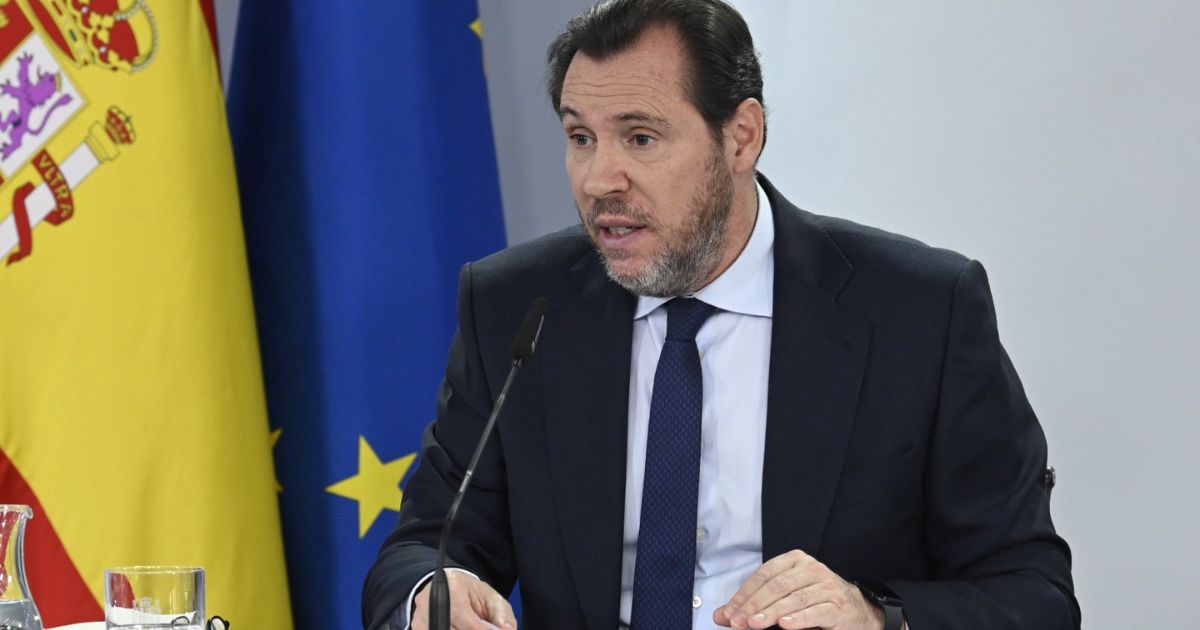
Spain has unveiled a €20 million compensation package for victims of the deadly high-speed train crash near Adamuz in Córdoba province. The tragedy has gripped the nation and reignited debate over rail safety.
On 18 January 2026, two high-speed trains collided after one derailed on a straight section of track near Adamuz, killing 45 people and injuring around 292, making it the worst rail disaster in Spain since 2013 and one of the most serious in recent Europeanrail history.
Spain’s Transport Minister, Óscar Puente, stressed that the priority remains the victims and their families. Announcing the €20 million package, he said the aid would consist of direct, non-repayable payments alongside advance sums linked to civil liability insurance. The aim, he underlined, is to ensure that those affected by the crashes in Adamuz and Gélida are not forced to face financial hardship on top of the trauma caused by the accidents, allowing families to focus on recovery rather than economic survival.
Óscar Puente confirmed the government will fast-track financial support to the victims and their families. Each family of the deceased will receive €216,000 within three months. This will be composed of three equal parts: tax-free state aid, an advance from compulsory passenger insurance and a further mandatory insurance payout. Moreover, those injured will receive between €2,400 and €84,000, depending on injury severity.
Officials argue that ordinary legal channels can take years to process compensation. Consequently, they are inadequate in the wake of such a human tragedy. Puente underlined the need for urgency so that families are not left waiting as they cope with loss and recovery.
National response and safety scrutiny
The crash prompted three days of national mourning. Moreover, rescue operations and identification efforts continued long after the accident. Among the widely reported stories was that of a young child who survived despite losing her entire family — a poignant reminder of the personal toll behind the statistics.
Beyond compensation, the disaster has intensified scrutiny of Spain’s rail infrastructure and safety protocols. Transport unions and political opponents have pointed to a series of recent incidents and alleged lapses in maintenance and oversight. They are pressing for reforms to restore public confidence in a network that is among the world’s most extensive.
Broader challenges
As families begin receiving the financial support, the government faces broader challenges: concluding the official crash investigation, addressing safety concerns, and tackling political pressure over rail quality and ministerial accountability. Full findings from technical and judicial probes are expected in the coming months. Rail operators and regulators will be under watch to prevent a recurrence of such a devastating event.
Updates to this ongoing story will appear as new information becomes available.