 Lorraine Williamson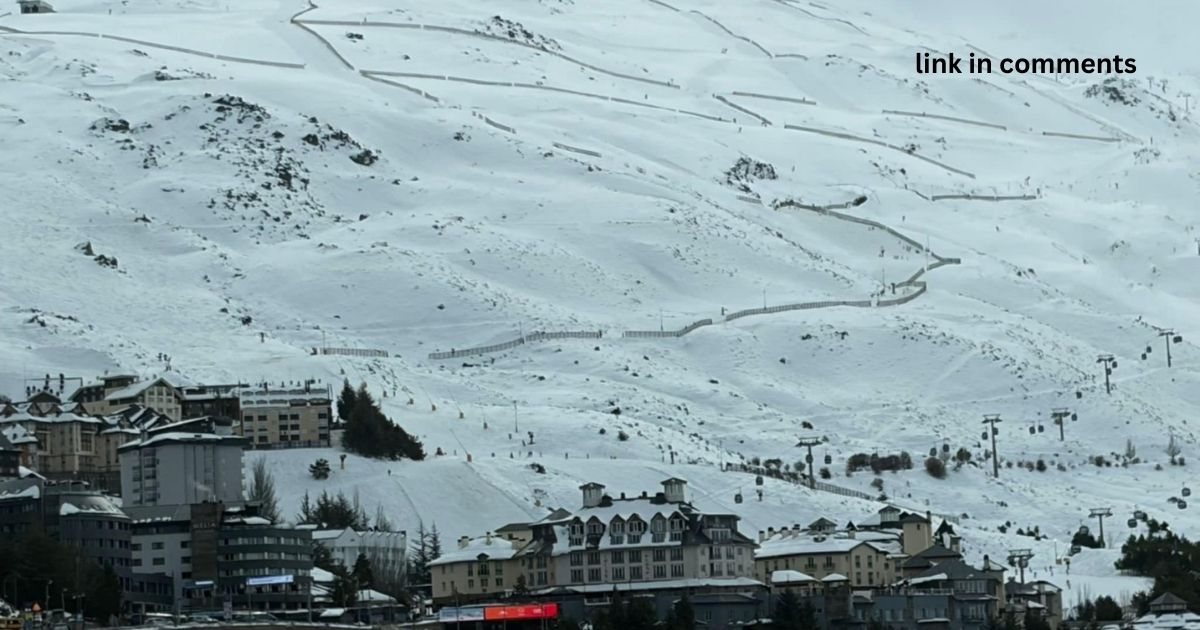
My daughter and her family drove up from the coast to Sierra Nevada today. By the time they arrived, it was snowing — the kind of instant winter that makes you forget you were in a T-shirt a few hours earlier.
That coastal-to-mountain whiplash may be about to play out across a much wider stretch of Spain. AEMET has issued a special advisory warning that snow could fall at unusually low levels from Sunday, 4 January, through to at least Tuesday, 6 January, as Storm Francis interacts with a push of icy Arctic air.
Why this spell could catch people out
Spain expects snow in the high ranges. What raises the stakes here is the chance of snowfall dropping close to sea level in places that rarely experience it, while heavy rain targets parts of the south and east.
The timing is awkward too. Reyes week means family travel, long drives, and busy roads. Even a thin layer of slush can cause outsized disruption when traffic is heavy and temperatures are falling.
Where snow is most likely — and how low it may go
AEMET says the main risk zone covers central, northern and eastern mainland Spain. The advisory highlights the Cantabrian Mountains, the Iberian Range, the Central System and parts of the interior plateau, with snow potentially appearing at very low altitudes in some areas.
In the northeast and parts of inland eastern Spain, the agency warns snow could fall “at any altitude” during the heart of the episode. For the centre of the peninsula, lighter snow is possible, but with lower confidence on how much will settle.
Monday is expected to be the peak
Forecasts can still shift, but AEMET describes Monday, 5 January, as the most likely high-impact day, particularly during the morning. Heavier accumulations are most probable inland in the eastern half of Spain, while the Cantabrian side may see snow intensify later as winds turn northerly.
By Tuesday, 6 January, the most likely scenario is that the system weakens as it moves into the Mediterranean, easing snow in the east earlier in the day. The north, especially areas favoured by moist northerly winds, could hold onto wintry conditions for longer.
Andalucia: rain risk first, snow mostly for the heights
In the south, the headline is not widespread low-level snow. AEMET’s advisory points instead to significant rain in parts of the province of Málaga and around the Strait area, particularly as humid easterly flow strengthens.
For Andalucia, the most reliable snow story remains the mountains — places like Sierra Nevada, where cold air and altitude do the obvious thing. If you’re heading up, it’s the combination of falling temperatures, wind, and rapid changes in visibility that tends to bite hardest.
If you’re travelling for Reyes, make it a “check twice” journey
Protección Civil is urging people to follow official updates closely, because uncertainty is part of the risk. If you’re driving inland, treat the forecast as something you revisit, not something you glance at once.
The DGT’s standard winter advice is simple: only set off with the right tyres or chains if there’s any chance of snow, keep your route flexible, and make space for road maintenance vehicles if conditions deteriorate. It’s not dramatic guidance — just the kind that stops a festive trip becoming a long night in a hard shoulder queue.
Reyes week will still happen — just plan for winter conditions
Snow days can feel like a gift when you’re watching it fall from a warm café window in the mountains. They feel different when you’re on the A-roads with kids in the back and the temperature dropping fast.
If you’re travelling between 4 and 6 January, keep an eye on AEMET warnings, check road updates, and assume the cold will linger even after the snow eases. Reyes can still be Reyes — it just might arrive with frost on the ground.