 Lorraine Williamson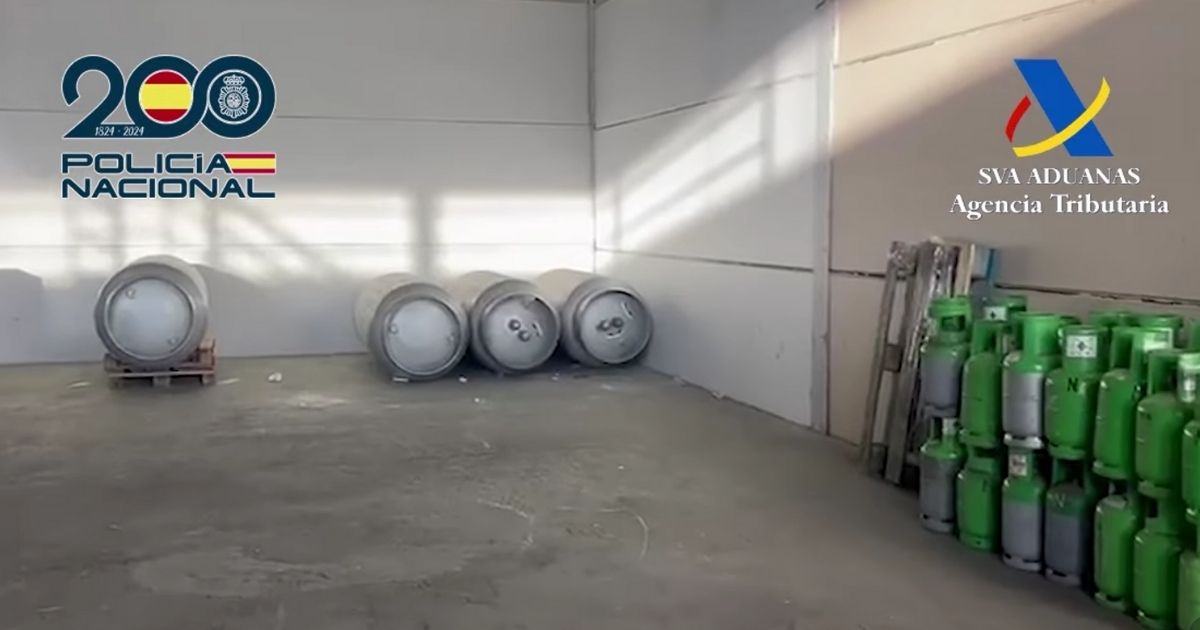
More than 48,000 kilos of illegal fluorinated gases have been seized in Spain in a joint operation by the Policía Nacional and the Tax Agency’s Customs Surveillance Service, exposing a sophisticated criminal network operating beneath Europe’s climate regulations.
The gases, widely used in refrigeration and air-conditioning systems, were being sold without the environmental traceability required under EU law. Investigators say the operation highlights a growing and largely invisible form of climate crime with serious long-term consequences.
Fluorinated gases, known as F-gases, are tightly regulated across the EU for good reason. While essential in many cooling systems, some have a global warming potential thousands of times greater than carbon dioxide.
When these substances are traded outside legal channels, they bypass safety controls, environmental reporting, and climate targets. Authorities describe their illicit circulation as a direct threat to Europe’s emissions reduction efforts.
Inspections across three regions
The investigation led to eleven inspections across Alicante, Valencia, and Madrid. Police targeted premises linked to nine companies allegedly connected to the criminal network.
In total, officers seized 4,781 containers holding 48,515 kilograms of fluorinated gases. None carried the legally required environmental documentation. The estimated market value of the seized material is around €3 million.
A network operating since 2023
According to investigators, the group had been active since at least 2023. The network allegedly introduced unregulated fluorinated gases into both the Spanish and international markets, avoiding environmental controls and fiscal obligations.
The case reflects a broader EU concern. Illegal F-gas trafficking has increased in recent years as tighter climate rules have pushed prices higher within the regulated market.
Money laundering and shell companies
Financial analysis revealed transactions exceeding €10 million linked to the network. Police say profits from the illegal gas trade were laundered through shell companies and international bank transfers designed to obscure their origin.
This financial complexity elevated the case beyond environmental crime alone, bringing tax fraud, smuggling, and money laundering into focus.
Arrests and charges
Five people have been arrested and brought before a judicial authority. They face charges including environmental crimes, smuggling, fraud, offences against the public treasury, money laundering, and membership of a criminal organisation.
The investigation remains open as police have not ruled out further arrests.
Climate enforcement under pressure
Spain, like other EU states, is under increasing pressure to enforce climate-related regulations as Europe accelerates its green transition. While public attention often focuses on renewable energy and electric vehicles, enforcement agencies warn that illegal parallel markets can quietly undermine progress.
This operation sends a clear signal, authorities say, that environmental crime is being treated with the same seriousness as financial and organised crime.
Why this case matters now
As Europe tightens climate rules, illegal trafficking of regulated materials is expected to rise. Cases like this underline the importance of enforcement, cross-agency cooperation, and public awareness in protecting both the environment and public finances.
For Spain, the message is blunt: climate crime is no longer a niche offence. It is organised, profitable, and firmly on the radar of law enforcement.