 Lorraine Williamson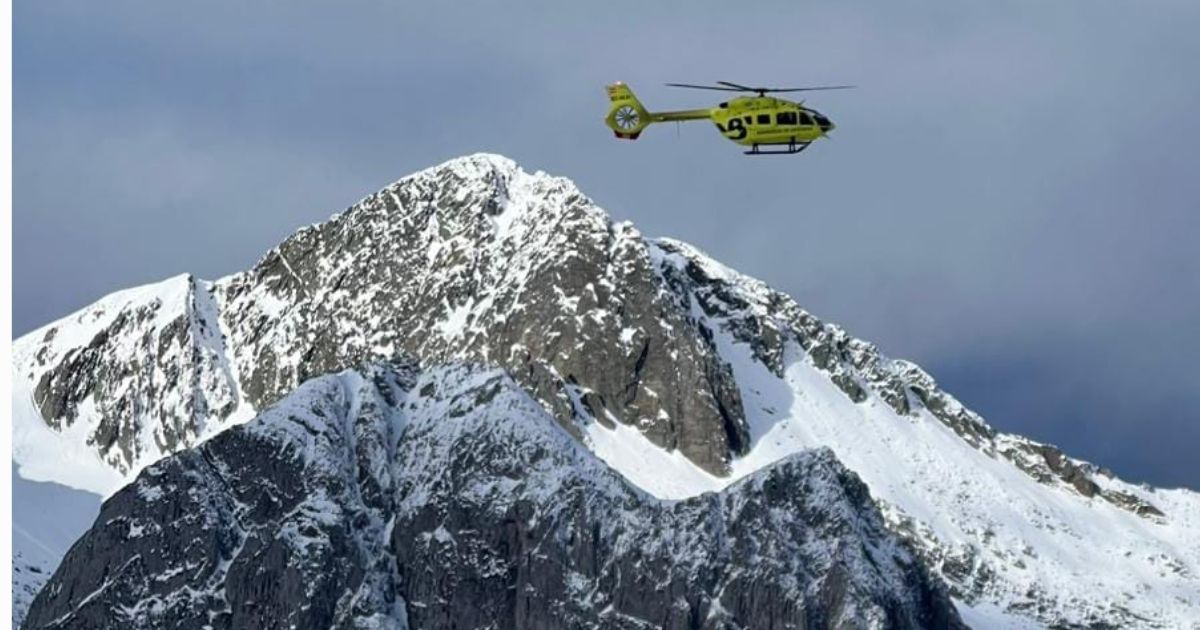
Spain avalanche rescue alerts have sharpened after three separate snow slides injured hikers on Sunday, 21 December, and forced rescuers into action across the country’s northern ranges. The incidents hit the Catalan Pyrenees, the Picos de Europa, and the Valdezcaray area in La Rioja — just as Christmas week began and mountain visitor numbers climbed.
What linked all three was familiar winter volatility: fresh snow, shifting winds, and temperatures that can turn a stable slope into a moving mass in seconds.
Catalan Pyrenees: a youth group caught near Meranges
In Girona’s Cerdanya, an avalanche surprised a group of 14 hikers — many of them teenagers — as they made their way towards the Engorgs mountain hut near Meranges. Three people suffered minor injuries, and a helicopter evacuated them to Hospital de Cerdanya.
Bombers and medical teams responded quickly, and the rest of the group managed to get out on foot despite the deteriorating weather later in the afternoon.
Picos de Europa: swept down Pico Toneo in Aller
In Asturias, two men got into difficulty in the corridor of Pico Toneo, in the municipality of Aller. The slide carried one of them roughly 300 metres and left him with a head injury. A rescue helicopter evacuated him to the Hospital Universitario Central de Asturias (HUCA) in Oviedo, while his companion received assistance on site.
The Asturias emergency service described the operation as a mountain rescue response involving its helicopter team — a reminder of how quickly a winter outing can escalate when the snowpack shifts.
La Rioja: Valdezcaray rescue on Monte San Lorenzo
La Rioja’s incident unfolded near Valdezcaray, close to Monte San Lorenzo, where two men aged 55 and 58 — both from Haro — were hiking with crampons when an avalanche dragged them downslope. One required evacuation by helicopter to Logroño’s Hospital San Pedro; the other later went for medical assessment.
Local reports noted the ski area itself was closed at the time, underlining a point that rescuers repeat every winter: off-piste terrain can remain hazardous even when resorts are not operating.
Why risk rises after heavy snow
Fresh snowfall can bond poorly to older layers, especially when wind creates slabs and temperature swings weaken the structure beneath. That combination often produces the kind of “surprise” movement described in Sunday’s rescues.
Spain’s weather services also flagged a continuing wintry pattern into Monday, with snow levels around 800–1,000 metres, rising later in the day in many areas, while the central and eastern Pyrenees could stay below 1,000 metres. That matters because lower snowlines bring unstable conditions closer to popular routes.
Before you go: the safer winter plan
You do not need to be an expert to reduce the risk. You do need to be methodical.
-
Check the local avalanche bulletin for your massif, not just a general forecast.
-
Avoid steep lee slopes after snowfall and strong winds.
-
Start earlier, turn back sooner, and keep routes conservative.
-
Carry the right kit for winter terrain (and know how to use it).
-
If conditions feel wrong underfoot, trust that instinct and change plan.
Fourteen Alicante villages face high snow risk
A tense start to the Christmas mountain season
No one died in Sunday’s incidents, and that is the headline that matters. Yet the rescues landed at the exact moment Spain’s mountains fill up with holiday walkers and first-day-of-winter skiers.
The message from the weekend is simple: the snow is back, but stability has not arrived with it. Plan as if conditions can change — because they can.
Sources: El Diario, El Periodico, 20 Minutos