 Lorraine Williamson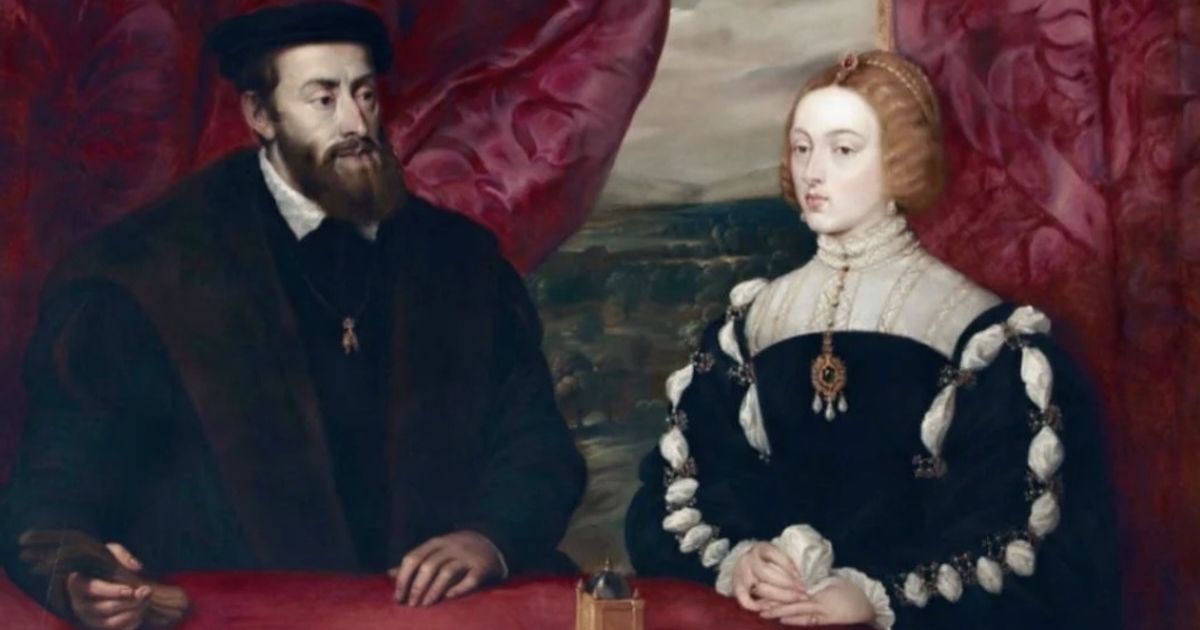
Seville is not simply staging a historical reenactment this weekend. It is using a royal anniversary to retell how the city became one of the defining urban centres of the 16th-century Hispanic world.
The headline event is a large theatrical procession on Saturday 28 February, marking 500 years since the entry of Charles V and Isabella of Portugal into Seville in 1526, linked to their marriage in the city. Seville City Council says the cortege will begin at 4.30 pm at the Arco de la Macarena and finish at the Real Alcázar around 7.30 pm, with more than 120 participants.
Why this anniversary matters now
Many historical commemorations stay inside museums. Seville has chosen the opposite approach: a moving public spectacle through the city centre, following the route associated with the imperial entry and ending at the Alcázar, where the symbolism lands strongest. According to the city council, the production is designed by Teatro Clásico de Sevilla, with an emphasis on historical protocol, hierarchy, and the visual codes of the 16th century.
That gives the event a stronger angle for InSpain.news readers: this is not only heritage programming, but also a live, street-level reminder of how political ceremony shaped Seville’s long-term identity as a capital of power, trade and representation.
The city is framing 2026 as a full Carlos V year
This weekend’s parade sits within a wider municipal programme. Seville City Council presented 2026 as “el año de Carlos V” in January and described the 500th anniversary of the marriage as a key cultural and historical milestone for the city, linking it to Seville’s architectural and civic development.
The council has also launched related activities at the Real Alcázar, including themed visits inspired by the imperial wedding, showing that the anniversary is being built as a broader cultural calendar rather than a one-off event.
That wider framing matters because it helps explain why the parade is getting attention beyond local tourism pages. Seville is positioning the anniversary as a heritage narrative with year-round value, not just a weekend attraction.
Charles V remains one of the most recognisable historical bridges between Spain and northern Europe. Born in Ghent and raised in the Burgundian-Habsburg orbit before ruling a vast composite monarchy, he connects present-day Spain with territories and political networks that included the Low Countries.
For Dutch- and Flemish-speaking residents in Spain, that makes this commemoration unusually resonant. It is a Seville event, but it tells a story that also belongs to northern Europe. The city’s current programme leans into that wider significance by presenting the 1526 wedding as more than a royal ceremony: a moment that reinforced Seville’s status within a trans-European imperial system. This interpretation is consistent with the city council’s official framing of the anniversary’s historical importance for Seville and Spain.
What to expect on the day in Seville
The municipal announcement sets out a detailed route through historic areas including Santa Marina, San Marcos, Santa Catalina and San Isidoro, before the procession reaches the cathedral zone and then the Puerta del León at the Alcázar. The staged arrival culminates with the comitiva entering the Alcázar at around 7.30 pm.
Diario de Sevilla has also highlighted the event as a major theatricalised parade tied to the 500th anniversary, reinforcing local interest in the route, timings and Renaissance atmosphere.
For visitors, this means central Seville is likely to be much busier than usual on Saturday afternoon and early evening, especially along the old-city route and near the cathedral/Alcázar area.
Why Seville is leaning into imperial memory in 2026
There is a tourism angle, of course, but also a cultural positioning strategy. The city council has explicitly linked the anniversary to Seville’s role as a historic reference point in heritage and cultural tourism, using the Carlos V programme to project a stronger historical identity.
In practical terms, that means anniversaries like this are being used to connect public space, performance, monuments and institutional programming. For readers in Andalucia, it is also another example of how Spanish cities are increasingly packaging history as an immersive, place-based experience rather than a static exhibition.
Planning your visit around the commemorations
If you are heading into Seville this weekend, the best approach is to treat the event as a city-centre route experience rather than a single viewing point. The procession format means the atmosphere will build and change as it moves, while the cathedral and Alcázar end section is likely to attract the densest crowds.
This anniversary is also worth watching beyond the weekend. The council’s 2026 programme suggests Seville is building a longer cultural narrative around the imperial wedding, and the current parade may become the most visible opening chapter of that story.
Seville oranges fit for a Queen