 Lorraine Williamson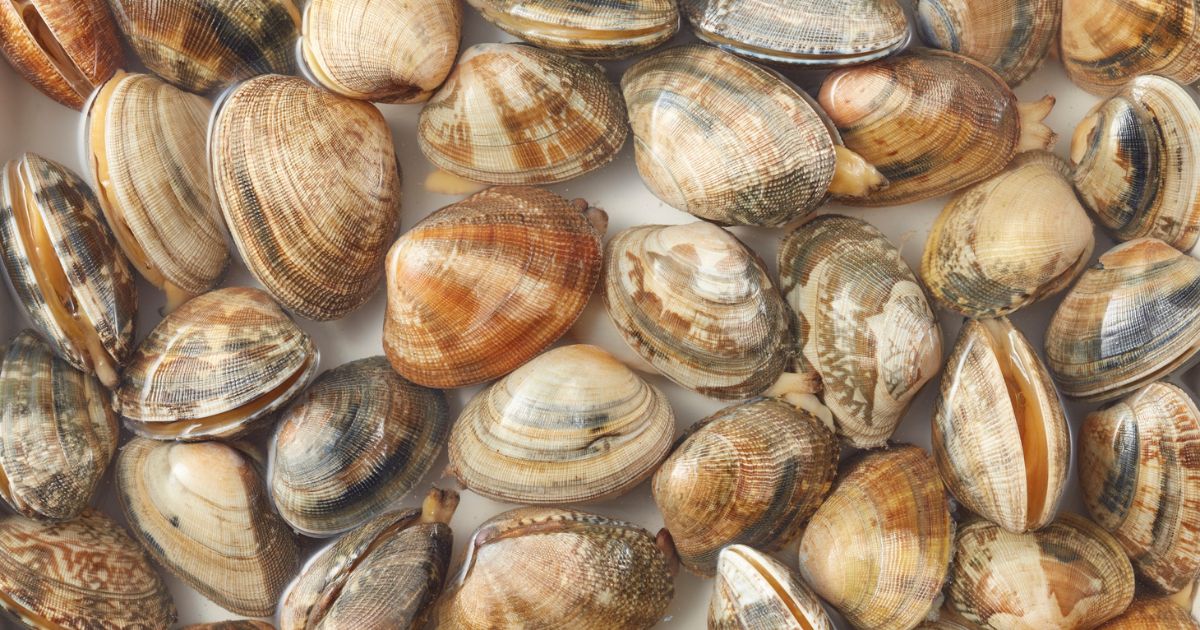
Authorities in Spain and Portugal have dismantled a lucrative cross-border operation smuggling contaminated clams into the food chain. In a Europol-backed sting, 11 suspects were arrested, and seven tonnes of shellfish seized. Moreover, a network accused of making at least €1.6 million this year alone brought to a halt.
The investigation revealed that the group harvested Ruditapes philippinarum — known as Manila or Japanese clams — illegally from the River Tajo, which straddles the Spanish-Portuguese border. Instead of undergoing the required health checks, the shellfish were stored alive in containers of river water. They were then passed off as safe through falsified documents.
These clams were then distributed across Portugal, Spain, and even into France and Italy. Experts warn that consuming contaminated clams can cause severe illness, including food poisoning, gastroenteritis, and hepatitis.
Profits and exploitation
Investigators estimate the wider trade in illegally harvested clams could be worth up to €2.5 million per week. Profits were allegedly laundered through the purchase and resale of luxury cars. Authorities also uncovered evidence of human trafficking. Undocumented migrants were reportedly forced to work in the fisheries for as little as €1 to €1.50 per kilo harvested.
Two-month investigation leads to arrests
The joint operation began in April when the Spanish Guardia Civil intercepted 235 kilos of clams and shared intelligence with Portuguese counterparts via Europol’s secure SIENA network. This triggered a coordinated investigation by the Guardia Civil’s Nature Protection Service, Portugal’s Economic and Food Safety Authority, and the Maritime Police.
Europol’s environmental crime experts provided operational and analytical support. They also funded cross-border coordination meetings, and deployed a mobile office to assist officers on the ground. Action days were staged on 23–24 June and 30 July, leading to the arrests, the seizure of seven vehicles, and the dismantling of the criminal network.
Illegal shellfish trade is a growing concern
The seizure underscores the growing challenge for European authorities in policing illegal fisheries. The demand for shellfish — particularly in coastal tourist regions — creates a lucrative market for unscrupulous operators. Food safety experts warn that beyond the environmental impact of overharvesting, contaminated shellfish in the food chain can have serious public health consequences.
Tourist season is at its peak and seafood is in high demand. This operation sends a clear warning that authorities are tightening the net on illegal clam fishing in Spain and Portugal. Consumers are urged to buy shellfish only from reputable, certified sources to avoid both health risks and fuelling an exploitative black market.