 Lorraine Williamson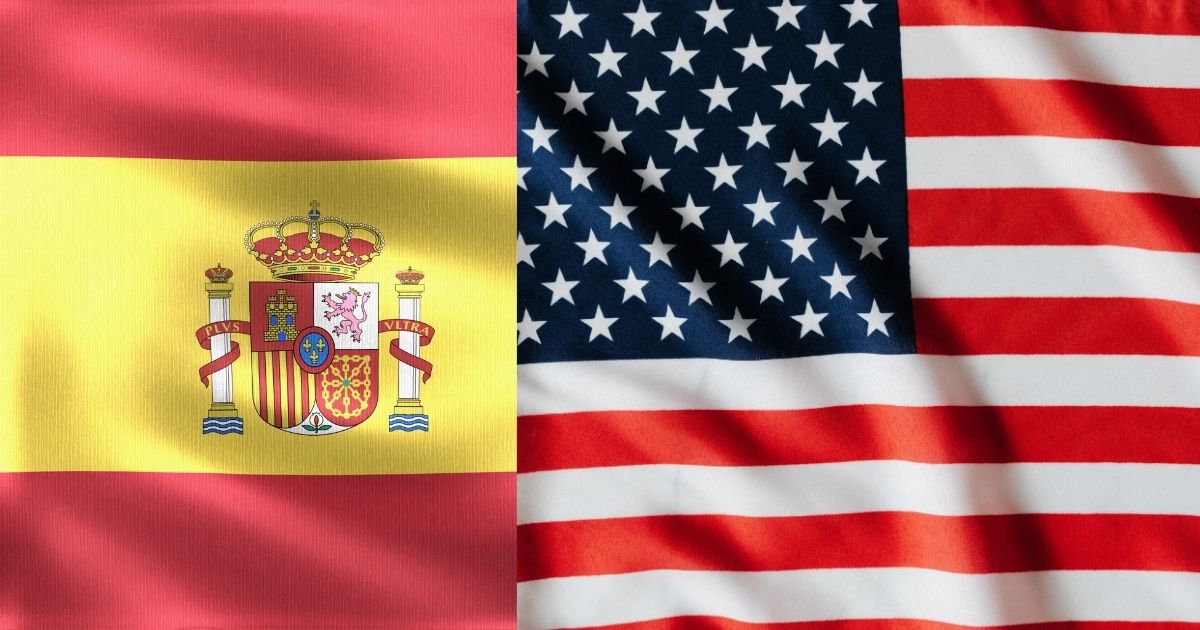
Spain is leaning into a diplomatic posture that plays well at home — but is starting to grate in Washington. Sanchez – Trump US tensions are now a live political story, not just a background hum, as Madrid sharpens its stance on defence spending, migration, tech regulation and Israel’s war in Gaza.
For Pedro Sánchez, it is also a useful stage. With domestic politics often stuck in trench warfare, foreign policy lets him look decisive and set the agenda — even if it risks Spain being sidelined in US-led initiatives.
The flashpoints Washington cares about
Reuters reports that Sánchez has repeatedly positioned himself in open contrast to the US administration on issues that matter in Trump’s orbit.
One pressure point is defence. US officials and White House advisers have criticised Spain’s reluctance to commit to a higher NATO spending target, and the new US ambassador to Madrid, Benjamin León, told US senators he would press Spain to meet the alliance’s goal of 5% of GDP — a level Sánchez has resisted.
Another is digital policy. Sánchez has floated tougher controls on social media platforms, including proposals aimed at protecting children and teenagers. At home, that agenda is popular. In Washington, it lands as a challenge to US tech interests and free-speech framing.
Then there is Israel and Gaza. Spain’s refusal to allow ships transporting weapons to Israel to dock has reportedly triggered a US investigation that could lead to restrictions on Spanish shipping to the United States.
Why it helps Sánchez at home
Spain’s political centre of gravity is not Washington-friendly in the way some northern European electorates can be, and Sánchez appears to be tapping into a long-running strand of scepticism.
Reuters notes that historians link part of Spain’s anti-US sentiment to the Cold War-era bargain that saw Washington back Franco’s regime after the Second World War in exchange for military bases.
Polling cited by Reuters also suggests Spanish public opinion has hardened further, with a significant share viewing the US unfavourably, alongside strong support for measures such as restricting under-14s’ access to social media.
That matters politically. Standing up to Trump-style politics offers Sánchez a simple message to his base: Spain will not be bullied into a worldview it doesn’t share.
The risk: frozen out, quietly
The conservative opposition in Spain argues this strategy carries a cost. Reuters reports claims that Spain has already been excluded from some US-led initiatives, including a bloc created to trade critical minerals and certain preparatory meetings tied to major international summits.
Even within Europe, Sánchez’s stance can irritate allies who prefer to keep differences with Washington private. One diplomat quoted by Reuters suggested Spain risks weakening both European and transatlantic solidarity.
There is also the practical issue: Spain relies on US co-operation on security, intelligence, defence procurement and broader geopolitical coordination. Friction does not need to become a “crisis” to have consequences. It can simply become slower access, fewer invitations, and less influence.
Why Sánchez may keep pushing anyway
Sánchez’s camp argues there are limits to how far the US would go. Reuters notes that Spain’s trade profile leaves it less exposed than heavyweight exporters such as Germany or France, and supporters say Trump’s circle respects firmness more than appeasement.
There is also a wider European backdrop. At the Munich Security Conference, Sánchez warned against nuclear proliferation and argued that Europe must focus not only on how much it spends on defence, but how strategically and jointly it spends — while also keeping Gaza and the “global south” in view.
In other words, the government seems to be betting that Spain can defend its positions loudly, stay inside the Western alliance quietly, and avoid serious retaliation.
What this could mean for Spain in 2026
Sanchez – Trump US tensions are likely to surface most in three places.
First, NATO spending. If the alliance hardens expectations, Madrid may face a choice between a symbolic climb in budget commitments or a more combative line that plays well domestically but strains partners.
Second, shipping and trade friction is tied to Israel-related decisions. If the reported US investigation produces measures, Spanish firms could feel it long before politicians do.
Third, tech regulation. Any Spanish move to tighten rules on platforms used by children will raise familiar arguments about censorship versus safety — and could become a transatlantic dispute by proxy.
The bottom line
Spain is not breaking with the US. But it is testing how far it can go in public defiance while keeping the machinery of co-operation running in the background. The politics may suit Sánchez. The question is whether Spain can keep the benefits without paying the quiet costs.