 Lorraine Williamson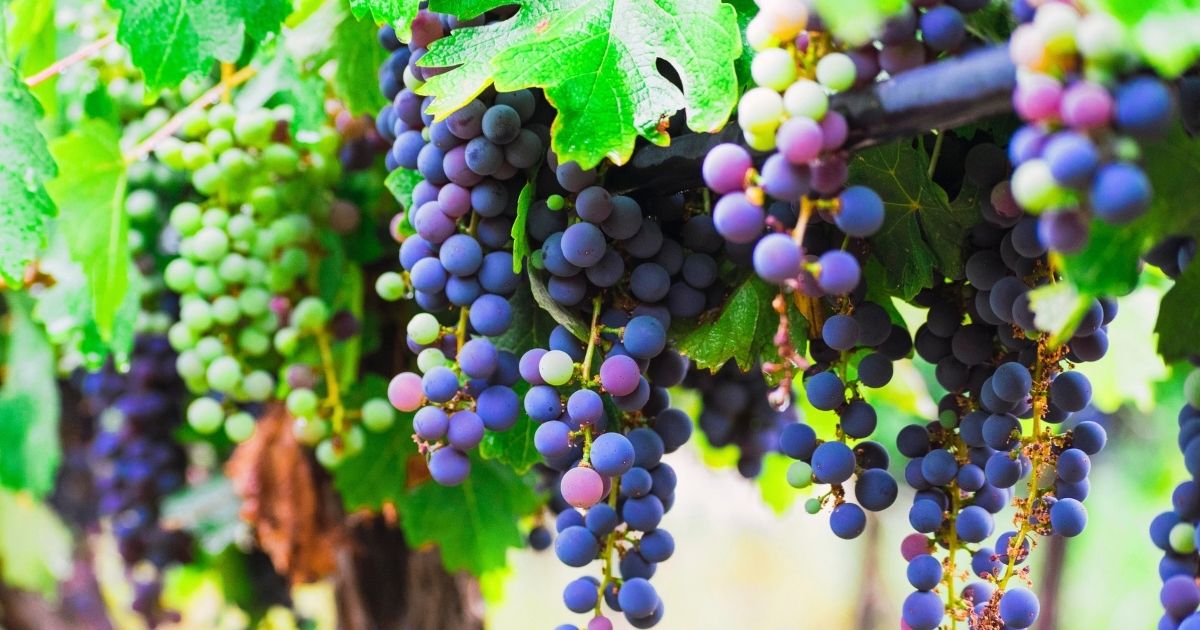
Requena Spanish Wine Capital 2026 is more than a ceremonial title. It is a national spotlight on a small inland town whose vineyards have shaped its economy, landscape, and identity for nearly three millennia. As Spain’s wine sector heads into a year of renewed tourism and global attention, Requena steps forward with a story rooted in tradition rather than marketing gloss.
Requena, set among the high plains west of Valencia, has long been the beating heart of the Utiel-Requena wine region. The area is one of Spain’s largest continuous vineyard territories, with more than 31,500 hectares of vines stretching across sun-baked hillsides. Wine is not an industry here — it is the organising rhythm of life.
The town narrowly missed out on becoming European Wine City 2025, a title that went to Cariñena in Aragón. But within Spain, the 2026 crown now belongs firmly to Requena. ACEVIN, the Spanish Association of Wine Cities, created the national title only recently, awarding the inaugural edition to Cambados in Galicia. Requena becomes just the second municipality in the country to receive it.
For local growers and family-run bodegas, the recognition arrives at a moment when rural regions are trying to hold onto their young people while attracting new visitors and investment. The designation brings a full calendar year of events, tastings, cultural programmes, and wine-themed festivals — not only to entertain, but to reinforce the town’s long-standing role in Spain’s viticultural map.
A wine landscape shaped by 2,700 years of history
Requena’s story is anchored in deep time. Beneath the medieval quarter lies a honeycomb of ancient caves, the Cuevas de la Villa, once used to store wine in a naturally cool environment. Just outside the town, the archaeological site of Las Pilillas preserves Iberian stone wine presses dating back to the 7th century BC. Few places in Spain can show such unbroken continuity in winemaking.
Across the centuries, the region’s climate and altitude created ideal conditions for one particularly resilient grape: bobal. Indigenous to the area and adapted to its arid plateau, bobal became the foundation of Requena’s wine identity. Today, it produces structured, vividly coloured reds with refreshing acidity and a personality shaped by the rugged terrain itself.
Yet the town is not defined only by traditional reds. Requena is also one of the very few areas outside Catalonia permitted to produce cava under the official DO Cava label. Its sparkling wines have earned a reputation for quality, expanding the town’s international visibility and strengthening its economic base.
Why the title matters now
The coming year places Requena on Spain’s cultural and tourism stage. The programme is expected to blend vineyard visits with historical routes, food pairings, and celebrations that highlight both the ancient and modern faces of the region. But beneath the festivities lies a longer-term ambition. Like many inland communities, Requena has faced depopulation and the slow erosion of rural economies. Becoming Spanish Wine Capital 2026 offers a chance to counter that trend by drawing new travellers, encouraging investment, and revitalising heritage sites and small businesses.
The title also speaks to a broader national effort. Spain’s wine towns are looking for ways to protect their landscapes, strengthen local production, and connect younger generations to opportunities that keep tradition alive. Requena’s year in the spotlight becomes a case study in how wine culture can anchor a sustainable regional future.
A year of visibility and renewal
As 2026 approaches, Requena is preparing not just to host tastings and events, but to use the year as a bridge between past and future. Its heritage — from the Iberian wine presses to the caves beneath its streets — now sits alongside modern cava producers and dynamic local bodegas experimenting with new expressions of bobal.
For visitors, the designation is an invitation to explore a wine region shaped by generations of hands rather than tourist brochures. For the town, it is a chance to show how a small inland community can lead Spain’s wine conversation for an entire year, using history and terroir as a foundation for renewal.
Sources: Las Provincias, Valencia Bonita