 Lorraine Williamson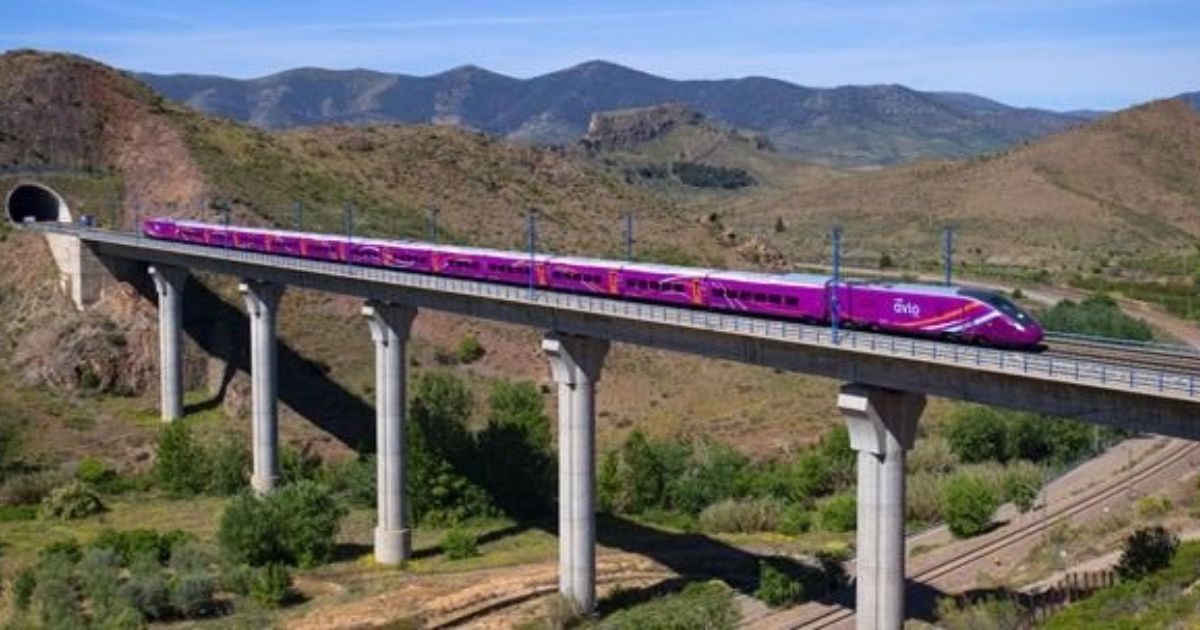
The Renfe AVE travel record is more than a corporate brag. It’s a snapshot of how Spain is moving — and why, for many journeys, the train is now the default. In 2025, Renfe says its high-speed and long-distance services logged 37.3 million journeys, a historic high and almost 6% up on 2024.
It helps explain the mood on platforms from Madrid-Puerta de Atocha to Málaga María Zambrano: fewer people are willing to gamble on motorway bottlenecks or airport queues when a reserved seat and a fixed departure time will do.
The numbers behind the record
Renfe’s growth was led, once again, by AVE — the flagship service that turned inter-city travel into something closer to commuting.
-
AVE: 21.5 million journeys in 2025 (around 5% higher than 2024).
-
Avlo (low-cost high speed): 6.2 million journeys, up more than 36% year-on-year.
-
Alvia: close to 6 million journeys.
-
Euromed + Intercity: over 2.6 million journeys combined.
That mix matters. AVE grabs the headlines, but the “other” long-distance services are often the practical backbone for places that don’t sit neatly on the fastest high-speed map.
Where the demand is concentrated
Three corridors, in particular, underline what’s happening: Spain’s busiest routes are behaving more like air shuttles — but on rails.
-
Madrid–Zaragoza–Barcelona–Girona–Figueres: over 8.1 million journeys (AVE + Avlo).
-
Levante & Mediterranean (Madrid to Valencia and Murcia): over 7.7 million, a sharp rise from 5.5 million in 2024.
-
Madrid–Andalucia high-speed corridor: 7.2 million, up from 6.9 million.
Renfe also points to a standout jump on routes linking Madrid with Castilla y León, Galicia and Asturias, passing 4.6 million journeys (up from 2.5 million) after changes to commercial offerings, seat supply and journey times.
Why Avlo is changing who uses high-speed rail
Avlo’s surge is the quiet revolution inside the bigger headline. Low-cost, high-speed pulls in passengers who previously defaulted to driving, buses, or simply travelling less. In practice, it’s broadened the AVE market beyond business travel and weekend city breaks — and it’s forced a tougher conversation about what people value most: price, frequency, or onboard “extras”.
That demand is also arriving in a market shaped by competition. Spain’s rail liberalisation has increased supply and pressured prices — and the regulator has argued the shift has pulled travellers from both road and air.
The bigger picture: competition, prices, and the pull away from flying
Renfe is still the dominant operator on most corridors, but it’s no longer alone — and that matters for fares and frequency.
The CNMC has said competition has reduced high-speed ticket prices substantially since liberalisation, and estimated a modal shift of millions of passengers from road and air towards rail (based on 2024 impacts).
For travellers, the benefits are obvious: more timetables to choose from, and — at least on many routes — sharper pricing. For Spain, there’s another angle too: long-distance rail is increasingly framed as the pragmatic, lower-emissions alternative to short-haul flying, especially on corridors where the train is fast enough to win on door-to-door time.
Spain´s new Abono Único could change how you travel in 2026
What Renfe says the record pays for
Renfe has also made a political point of the record: as a public operator, it argues profits from high-speed and long-distance help support loss-making but essential rail services, particularly for lower-density areas.
In other words, the busiest lines don’t just fill seats — they help keep the wider network moving.
What to watch next on Spain’s long-distance rail
If 2025 confirmed anything, it’s that demand is not only holding — it’s rising. The next questions are more practical than symbolic: can capacity keep pace, will fares stay competitive as operators adjust strategies, and which corridors will get the next meaningful improvements in time, frequency, and reliability?