 Lorraine Williamson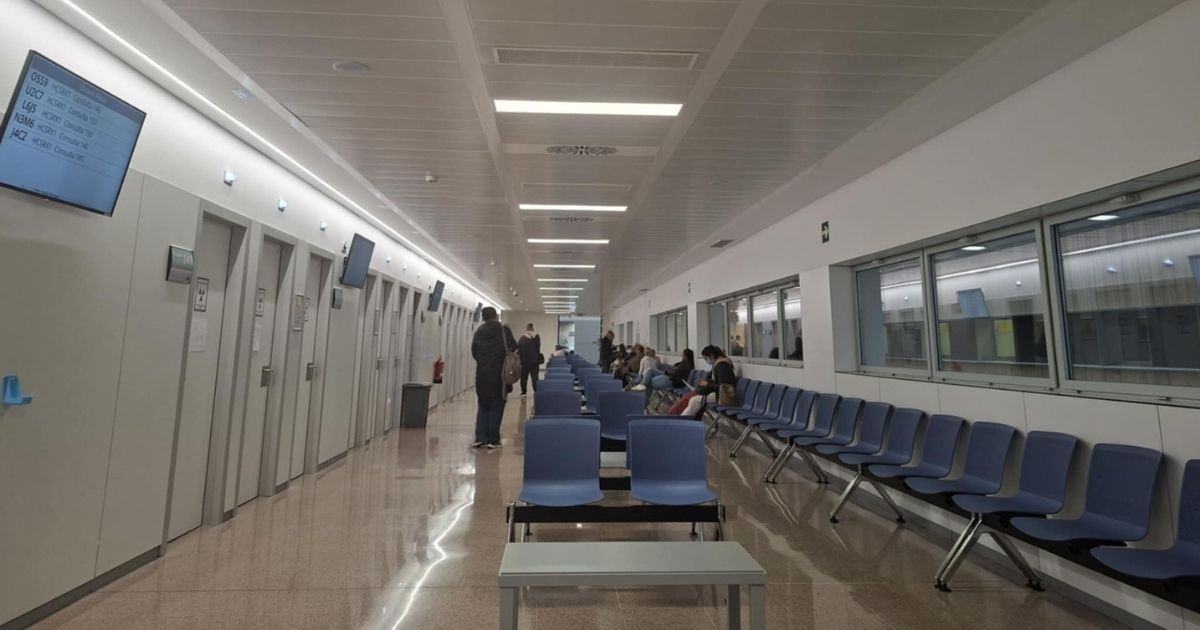
After years of relative normality, a visit to hospital in Spain can suddenly feel unsettlingly familiar.
On Friday, 19 December, I attended a rescheduled hospital appointment — the original having been cancelled last week only after I arrived, due to the doctors’ strike. On entering the building, reception asked whether I had a face mask. I did not, so one was handed to me, and I was asked to put it on before proceeding.
Inside the waiting area, the atmosphere was striking. People sat several seats apart. Conversations were muted. When someone coughed, heads turned. For a moment, it felt as though Spain had slipped quietly back into pandemic mode.
Yet this is not a nationwide return to mandatory masking.
What is actually happening in Spanish hospitals
Face masks are not compulsory nationwide in Spain. The central government has reintroduced no national mandate.
Instead, what patients are experiencing is a regional and local response to the winter surge in flu and other respiratory infections. Spain’s decentralised healthcare system allows autonomous communities — and sometimes individual hospitals — to introduce temporary protective measures when infection rates rise, or vulnerable patients are at risk.
In practical terms, this means:
-
Some hospitals and health centres are asking patients and visitors to wear masks
-
Others strongly recommend them, particularly in waiting rooms
-
Many facilities provide masks at reception if patients arrive without one
The rules can vary not just by region, but by hospital.
Why hospitals are tightening precautions
This winter has brought a noticeable increase in seasonal flu and respiratory viruses, particularly among older patients and those with chronic conditions. Hospitals are under pressure following months of industrial action, staff shortages and delayed appointments.
Reintroducing masks in clinical settings is seen as a low-impact preventive measure — one that reduces transmission risk without closing services or limiting access to care.
Healthcare professionals stress that this is about protecting patients, not signalling a return to COVID-era restrictions.
Why it feels so unsettling
For many people, the emotional impact is as important as the rule itself.
Masks, distancing and the quiet tension of waiting rooms are powerful reminders of a difficult period that shaped daily life for years, not months. Even limited measures can trigger anxiety, frustration or confusion — particularly when guidance differs from one place to another.
The lack of a single national rule adds to the uncertainty, leaving patients unsure what to expect until they arrive.
What patients should know before appointments
If you have a hospital or health centre appointment in Spain this winter:
-
Bring a face mask, just in case
-
Expect local rules rather than national ones
-
Follow staff instructions — they are responding to real-time health risks
Importantly, these measures are temporary and situational, not a blanket policy shift.
A Quiet Reminder, Not a Step Back
Spain is not returning to lockdowns, curfews or universal mask mandates. But the scenes now reappearing in some hospitals reflect a health system trying to protect the most vulnerable during a difficult winter.
For patients walking through hospital doors today, the message is simple: this is caution, not crisis — even if it briefly feels like the past knocking again.