 Lorraine Williamson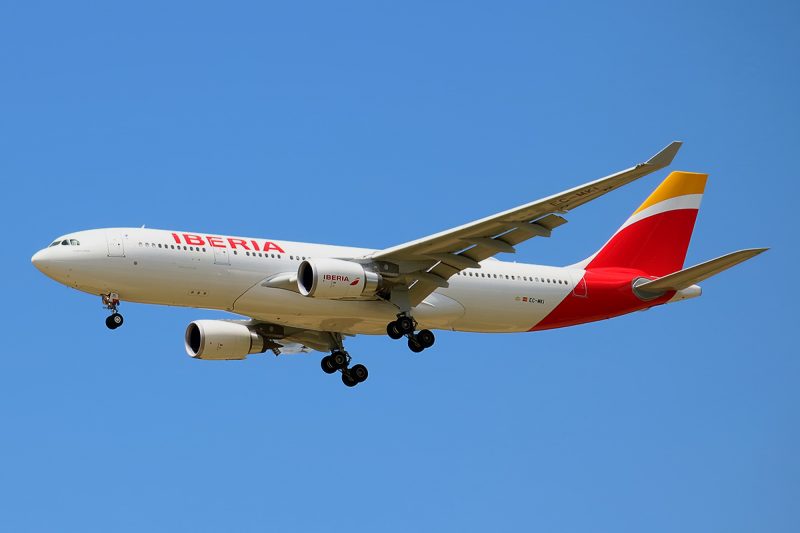
Malaga Madrid flight prices have spiked to eye-watering levels after the Adamuz rail disaster severed one of Spain’s busiest high-speed corridors, forcing thousands to scramble for alternatives at short notice. In some cases, passengers reported being quoted up to €850–€1,000 for last seats on flights that are usually far cheaper.
The crash near Adamuz (Córdoba) on 18 January involved a high-speed Iryo service and another train, leaving Spain shaken and triggering a wide suspension of high-speed services linking Madrid with much of Andalucía, including Málaga.
A key route suddenly gone
On a normal week, the AVE and other high-speed services are the default choice between Málaga and Madrid: fast, frequent and, crucially, predictable. When that spine of the network went down, the pressure immediately shifted to the air corridor.
At Málaga’s station, stranded travellers described a familiar modern travel nightmare: cancellations, uncertainty and a rapid sense that the remaining options were being priced in real time.
Why flights shot up so fast
Air fares did not rise in a vacuum. They rose because demand surged in a narrow window, with limited capacity and a lot of urgency.
In Málaga, passengers told local media they had seen prices leap overnight — from tens of euros to several hundred — as availability evaporated.
Then came the calendar problem. Madrid’s FITUR tourism fair, running 21–25 January, added a second wave of business travel demand right as the rail alternative collapsed.
Spain moves to curb “abuse” as passengers scramble for alternatives
Airlines add seats — but not enough
Carriers moved quickly, but the market was already tight.
Iberia announced extra flights and said it would deploy larger aircraft on the route, while Air Europa added additional services and mobilised an extra Boeing 737, creating more seats in both directions.
Even so, travel agencies reported flights fully booked on key days, with knock-on pressure spilling into car hire and coach demand.
When will the trains return?
As of this week, the timeline has remained fluid. Spain’s transport minister, Óscar Puente, said it was still unclear whether the high-speed link between Madrid and Andalucía could resume by 2 February, citing delays linked to authorisations needed to intervene on the affected section.
Renfe, meanwhile, has been operating alternative transport plans combining rail and road on some routes, while the investigation and infrastructure work continues.
Do travellers have any protection against “emergency pricing”?
Spain’s consumer authorities have been sharpening their stance on dynamic pricing in emergency conditions.
The European Consumer Centre in Spain (ECC-Spain) has pointed to rules already used to prevent abusive price increases in declared civil-protection emergencies, and says new regulations are being advanced to extend protections and require clearer, advance transparency around dynamic price changes.
That matters, because the Adamuz disruption has exposed how quickly families can be cornered into “pay whatever is left” travel — particularly when they have medical appointments, work commitments, or onward connections.
If you’re travelling Málaga–Madrid soon
Start with the basics: check whether your rail operator is offering rerouting by road-and-rail, or a refund; compare flights across both airlines and nearby airports; and keep screenshots of prices, cancellations and communications in case you need to complain later. Renfe has also issued guidance on its assistance and alternative transport plan following the crash.
The bigger question Spain now has to answer
The Adamuz tragedy is first and foremost about lives lost — and the search for accountability is still unfolding. But it has also revealed something more mundane and more immediate: when a single strategic rail corridor fails, the “backup” system becomes a live test of capacity, pricing and consumer protection.
For travellers, the lesson is brutal but clear. In Spain’s hyper-connected transport model, resilience is not a buzzword — it is the difference between an inconvenience and a four-figure fare.
Sources: Diario SUR, RENFE, El País