 Lorraine Williamson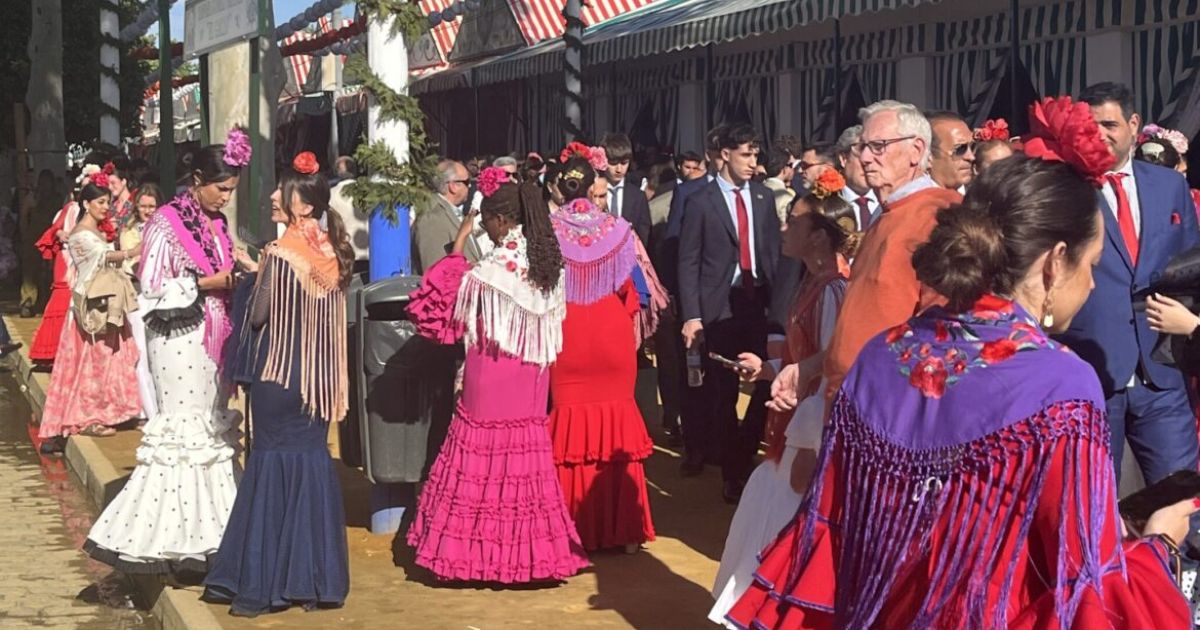
Madrid is preparing to host a new large-scale cultural event that borrows heavily from southern tradition. From spring 2026, the capital will introduce Madrilucía, a festival inspired by the iconic Feria de Abril of Seville, reimagined for a very different urban setting.
City officials describe the project as part of Madrid’s wider push to position itself as a year-round destination for major cultural events, blending regional identities with large-scale entertainment. The result is expected to be a distinctly Madrid version of a traditionally Sevillian celebration.
Where and when Madrilucía will take place
Current plans place Madrilucía in May and June 2026, with the festival set to occupy the Iberdrola Music site in the south of the city. The venue, already used for major concerts and festivals, allows for a scale far larger than most traditional ferias.
However, final dates have yet to be confirmed. Madrid City Council is reportedly considering adjustments to avoid clashing with San Isidro, the capital’s own major annual celebrations.
Flamenco, food and casetas on a Madrid scale
Organisers promise a programme designed to appeal well beyond Andalucian purists. Hundreds of casetas are planned, alongside live flamenco, concerts, dance performances and displays of southern Spanish folklore.
Food will be central to the experience. Visitors can expect classic feria favourites such as pescaíto frito, tapas and regional drinks, alongside stalls showcasing crafts, fashion and traditional attire. Flamenco dresses, shawls and handmade goods will form part of a broader showcase of Andalucian heritage.
Family-friendly zones are also planned, with dedicated areas for children’s activities and fairground-style attractions.
Tickets, access and premium spaces
Pricing details have not yet been released, but organisers indicate that much of the festival space will be freely accessible. Some casetas and curated experiences are expected to charge entry, while premium packages aimed at companies and organised groups will sit at a higher price point.
This mixed-access model mirrors the commercial structure of many large modern festivals rather than traditional neighbourhood ferias.
Support, scepticism and local concerns
As with many high-profile events, Madrilucía has already sparked debate. Local residents and opposition parties have raised concerns about noise levels, traffic disruption and pressure on surrounding neighbourhoods.
Supporters argue that the festival could deliver a significant economic boost, drawing visitors from across Spain and abroad during the shoulder season. For Madrid’s tourism strategy, Madrilucía is being framed as both a cultural offering and a revenue generator.
A festival that raises bigger questions
For many residents and visitors, Madrilucía offers an accessible alternative to travelling south, especially for those unable to attend Seville’s original Feria de Abril. Yet it also raises wider questions about how regional traditions evolve — and what happens when they are scaled up and transplanted into a different cultural landscape.
Whether Madrilucía becomes a permanent fixture on Madrid’s cultural calendar remains to be seen. What is clear is that the capital is making an ambitious statement about how it wants to blend tradition, spectacle and modern city branding.
Sources: Madrilucia, Es Madrid,