 Lorraine Williamson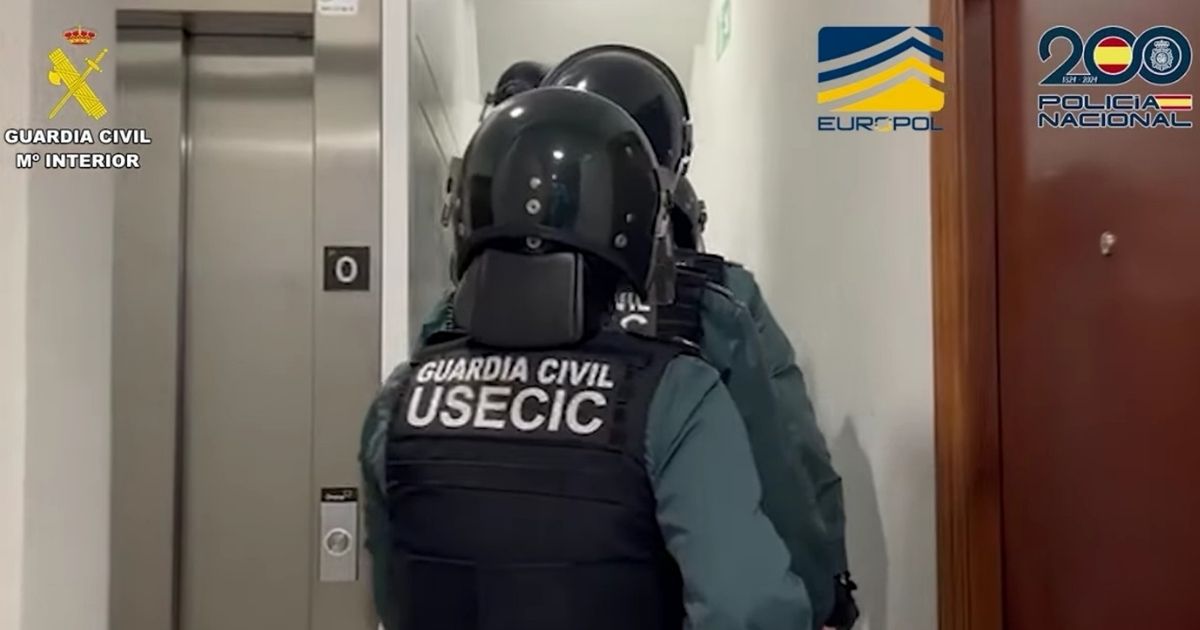
A major international police operation against the cybercrime forum LeakBase has underlined an uncomfortable truth for internet users: once personal data is stolen, it rarely disappears. Instead, it can persist for years, resurfacing in hidden marketplaces where it is traded, reused, and used to create new frauds.
Spanish authorities say they took part in the Europol-coordinated action against the platform, which had grown into one of the main forums for buying and selling stolen personal data online.
According to Guardia Civil and Policía Nacional, LeakBase had more than 142,000 registered users by December 2025, alongside nearly 32,000 posts and more than 215,000 private messages. The forum, active since 2021 and accessible on the clear web, functioned as a marketplace for leaked databases, stolen credentials and so-called “stealer logs” — files harvested through malware that can hand over usernames, passwords and other sensitive information to criminals.
A cybercrime market hiding in plain sight
One reason LeakBase mattered is that it was not some obscure corner of the dark web. Authorities say it was reachable through the regular web and operated mainly in English, blending the look of a typical online forum with the functions of a black-market exchange. That made it easier for users to buy, sell and swap compromised data taken from major company breaches and infected home computers.
Europol described the site as a major part of the wider cybercrime ecosystem. It was not simply a dump of old leaks. It was a live community built around stolen information, with its own rules, reputation systems and user trust mechanisms. Among its internal rules, according to the Spanish police releases, was an explicit ban on selling or publishing data related to Russia.
Spain’s role in the operation
In Spain, Guardia Civil says there was one arrest and two searches in A Coruña and Bizkaia, while Policía Nacional states that two arrests were made and two searches carried out in those provinces. Both forces agree that numerous computer devices and documents were seized and that the suspects had allegedly used sophisticated anonymisation systems to hide their digital footprints. The discrepancy in the arrest count means that point should be handled cautiously in publication unless clarified in a later official update.
What is clear is that Spain formed part of a much wider coordinated action spanning 14 countries. Europol says measures were taken against 37 of the platform’s most active users, while around 100 operational actions were carried out worldwide, including arrests, searches and direct interventions often described as “knock-and-talk” visits.
Why this matters to ordinary users
The most useful public-interest angle in this story is not the takedown itself. It is what the case says about the afterlife of stolen data.
When companies suffer breaches, many people assume the damage is done and over. In reality, databases, passwords and personal details can reappear months or years later on forums like LeakBase, ready to be used in account takeovers, identity fraud, phishing or further attacks against other systems. Guardia Civil and Policía Nacional both stress that stolen information does not vanish just because a breach has fallen out of the headlines.
That is what made LeakBase so significant. It appears to have worked as a recycling centre for compromised data, keeping old leaks alive and usable long after the original incidents. For cybercriminals, that is valuable. For ordinary users, it means yesterday’s forgotten breach can still create problems today.
The database seizure may have consequences
Europol says authorities seized the forum’s domain and replaced it with a law-enforcement splash page during the technical disruption phase on 4 March. Spanish authorities add that investigators also obtained the forum’s database, allowing them to begin identifying users who had believed they were operating anonymously. That gives the operation a second life beyond the initial takedown, because law enforcement can now continue tracing digital evidence and linking online aliases to real individuals.
That point matters because it sends a broader message. Closing a forum is one thing. Seizing its records is another. It means the shutdown can turn into an ongoing identification exercise, potentially exposing users who thought they had insulated themselves behind handles, encrypted chats or masking tools.
A reminder to change old habits
Spanish authorities used the operation to repeat a now-familiar warning: use strong, unique passwords and enable multi-factor authentication wherever possible. It is standard advice, but this case shows why it still matters. If the same password is reused across several accounts, one old data leak can become the key to several new compromises.
There is also a wider lesson here for anyone who has ever ignored a breach notification email. Even if the original leak feels distant, the exposed data may still be circulating. Forums such as LeakBase have thrived by turning those old compromises into a standing inventory for fraud and cyber abuse.
INCIBE warns WhatsApp users in Spain over basic security risks
Why the takedown is important — but not the end
The dismantling of LeakBase is a significant win for law enforcement, but it does not mean the market for stolen data has vanished. Cybercrime ecosystems tend to adapt quickly, with users and vendors migrating to other forums, channels or services when one platform falls. Europol’s own messaging around the case reflects that reality: the operation is a blow, not a final clean-up of the threat.
Still, the case is a useful reminder of what modern cybercrime often looks like. It is not always dramatic ransomware headlines or Hollywood-style hacking scenes. Sometimes it is a long-running online forum where old passwords, leaked databases, and infected-device logs quietly change hands until they become tools for the next wave of fraud. The LeakBase takedown shows that the criminal market for stolen information remains both persistent and international.
Why this story should not be ignored
For Spain, the operation is another sign that cybercrime is not a distant technical problem handled only by specialists. It touches ordinary households, company databases and everyday online behaviour. A stolen email-password pair can lead to a compromised shopping account, a hijacked social profile or a much more serious identity fraud.
LeakBase may be gone, but the larger warning remains. Personal data has become one of the most durable forms of criminal currency online, and once it escapes, it can keep travelling far longer than most people realise.